

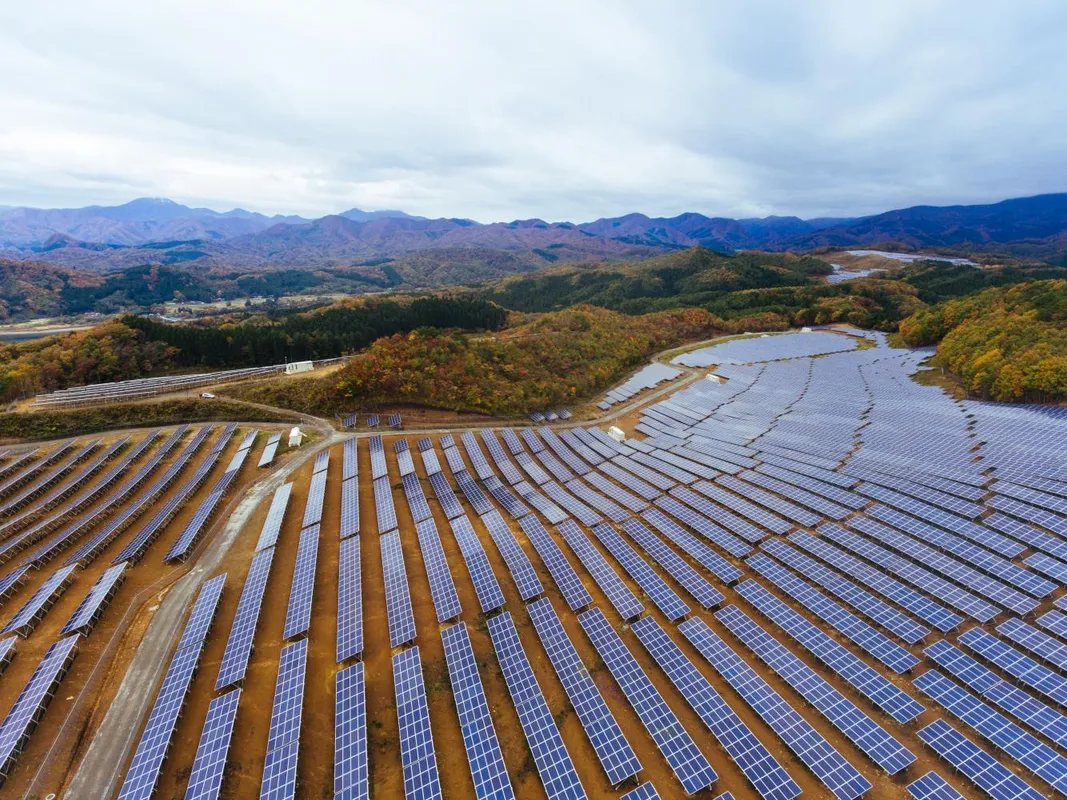
Gunkul Engineering, a prominent Thai energy company, is strategically positioning itself to support the burgeoning artificial intelligence (AI) sector by leveraging its expertise in renewable energy and infrastructure development. The company aims to become a key player in providing sustainable power solutions for the growing demand driven by AI technologies, aligning with Thailand’s broader ambition to establish itself as a regional hub for AI and its associated infrastructure.
Gunkul’s Strategic Approach to AI Infrastructure
The company’s chief executive, Naruechon Dhumrongpiyawut, outlined a multi-faceted strategy that builds upon Gunkul’s established strengths. These include its core competencies in renewable energy generation, trading of energy-related equipment, construction services for power projects, and the operation of power plants. By integrating these capabilities, Gunkul intends to offer comprehensive support to foreign investors looking to establish or expand their AI-related operations in Thailand, emphasizing the critical need for reliable and sustainable power infrastructure.
“Power supply from renewable resources is a crucial piece of the jigsaw in building the AI industry,” stated Ms. Naruechon. This highlights the fundamental role that clean energy plays in powering the intensive computational demands of AI, from data centers to advanced processing units. Gunkul’s initiative directly addresses this growing requirement, seeking to provide a green energy foundation for the digital economy’s expansion.
Surge in Investment and Data Center Growth
Gunkul’s strategic pivot occurs against a backdrop of significant investment interest in Thailand. The first quarter of 2026 saw investment applications submitted to the Board of Investment (BOI) surge past 1 trillion baht. This represents a substantial 2.4-fold increase compared to the same period in the previous year. A significant portion of this investment boom was fueled by large-scale projects within the digital and electronics sectors. Notably, data centers and cloud services accounted for an impressive 86% of the total investment value, underscoring the rapid growth of Thailand’s digital economy and the escalating demand for the processing power required by AI applications.
International Expansion and Lessons Learned
Gunkul’s commitment to clean energy is not confined to Thailand. The company is actively expanding its presence in the Philippines, where a liberalized energy market permits the direct supply of renewable power to corporate clients. Ms. Naruechon indicated that this international venture serves as a strategic hedge, mitigating potential risks associated with delays in the development of Thailand’s domestic energy market. Currently, Gunkul operates clean power plants in both Japan and the Philippines, with a strategic goal to maintain two-thirds of its total power generation capacity within Thailand and the remaining one-third internationally.
“We intend to draw on lessons from our operations in the Philippines and adapt them to Thailand, where the country is preparing to launch its first pilot direct PPA [power purchase agreement] scheme for data centres,” she explained. This initiative demonstrates Gunkul’s proactive approach to navigating regulatory landscapes and adapting its business model to capitalize on emerging market opportunities.
Direct Power Purchase Agreements and Future Prospects
The forthcoming direct PPA scheme for data centers in Thailand is a pivotal development. It will empower renewable energy companies like Gunkul to sell electricity directly to corporate consumers, bypassing traditional intermediaries and existing restrictions on peer-to-peer renewable energy trading. The Energy Regulatory Commission has earmarked an initial capacity of 2 gigawatts for this program. The scheme is slated to be rolled out initially in the Eastern Economic Corridor (EEC) and will eventually expand to other regions with adequate renewable energy generation and robust transmission infrastructure.
The primary target for this new PPA scheme is foreign data center investors. However, the program is designed for future expansion to encompass other key industries, including electronics manufacturing, printed circuit board production, and the electric vehicle (EV) sector, further integrating renewable energy into Thailand’s industrial ecosystem.
Boosting Domestic Renewable Capacity
In parallel with its international activities and its engagement with the direct PPA scheme, Gunkul is also focused on significantly increasing its domestic renewable energy capacity. The company plans to add an additional 1,000 megawatts (MW) of capacity through new wind and solar power projects across Thailand. This expansion aligns with the Ministry of Energy’s draft power development plan, which places a strong emphasis on accelerating the growth of clean energy sources.
Gunkul has proactively secured land parcels nationwide to facilitate these planned developments. This forward-thinking approach ensures that the company is well-positioned to contribute substantially to Thailand’s renewable energy targets and to meet the increasing power demands of both the burgeoning AI sector and other key industries driving the nation’s economic growth.
Conclusion
Gunkul Engineering’s strategic focus on renewable energy positions it as a key enabler for Thailand’s ambition to become an AI hub. By combining its established expertise in power generation, construction, and operations with a forward-looking approach to sustainable energy solutions and international best practices, the company is poised to play a vital role in powering the digital transformation of Thailand and the wider region. The upcoming direct PPA scheme for data centers, coupled with significant investments in domestic renewable capacity, underscores Gunkul’s commitment to supporting the AI boom with clean, reliable energy.
