

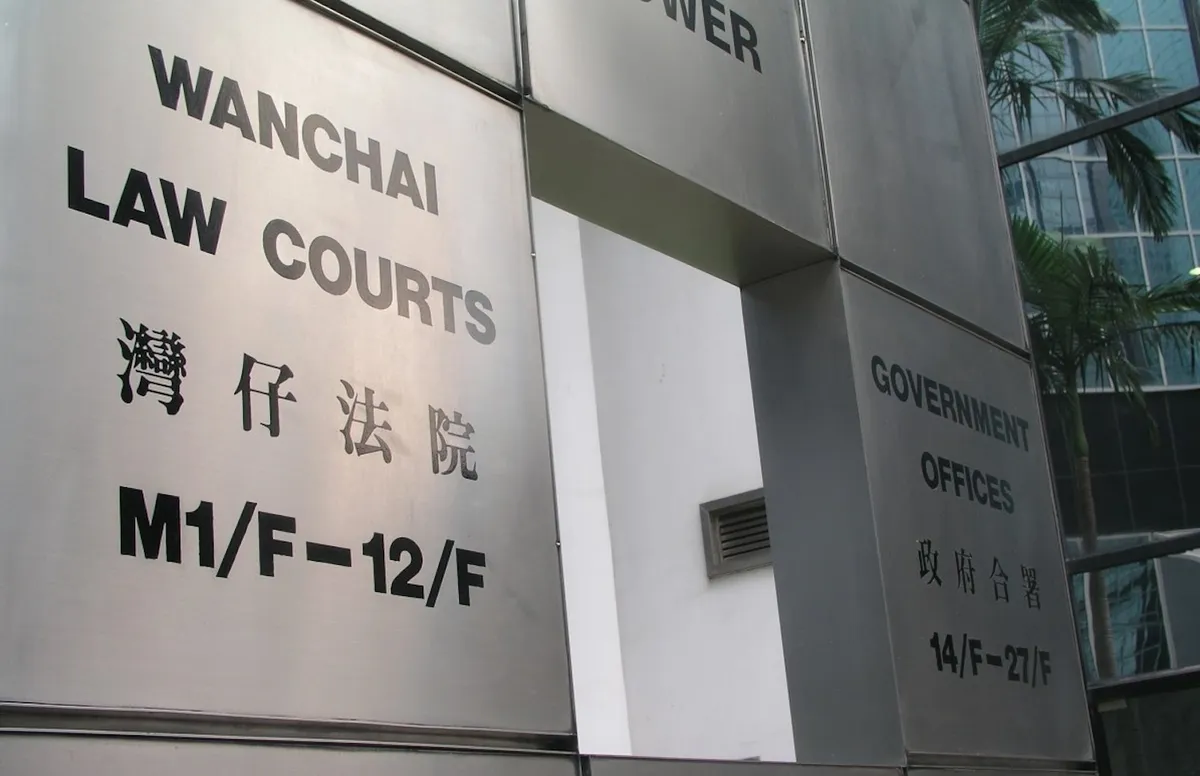
A British woman, Isabel Anonia Barbra Eudora Rose, has been sentenced to six years in prison by a Hong Kong court for making a false rape accusation and attempting to extort money. The 26-year-old event management professional was found guilty of blackmail and perverting the course of public justice by District Court Judge Adriana Noelle Tse Ching.
Details of the Case
Rose arrived in Hong Kong on January 31, 2024, to visit a man she had met previously. She alleged that he raped her later that night at his apartment in the Central district. The following day, the pair exchanged messages discussing the incident and potential compensation. In one message, Rose stated, “You basically raped me,” to which the man responded, “That is not what I’m into at all and I feel sick.”
Rose reported the alleged rape to the police on February 3. The court heard that the man was initially arrested and questioned. However, police arrested Rose the following day and subsequently charged her.
Judge’s Findings and Evidence
Judge Tse accepted the man’s account of events and placed significant reliance on the messages exchanged between the two individuals after the alleged incident. The judge noted that Rose’s messages were inconsistent with her claim of rape. Specifically, when Rose asked if the man was annoyed that she did not want to have sex, he replied that he was impressed by her restraint but felt mildly frustrated. This exchange, among others, led the judge to conclude that the rape allegation had been fabricated.
The court determined that the pair had engaged in intimate acts, but there was no penetrative intercourse. A forensic examination revealed bruising on Rose’s neck, but no genital injuries were found. This medical evidence further supported the judge’s conclusion that the rape claim was unsubstantiated.
Blackmail and Extortion Attempt
Following the intimate encounter, discussions turned to financial matters. Initially, the conversation focused on reimbursement for Rose’s accommodation and travel expenses. The man agreed to pay £2,000 at Rose’s request. However, Rose later escalated her demands, increasing the requested amount to £5,000. She sent a message stating, “You’ve given 10 per cent of what I’m owed, 100 per cent of my soul gone,” implying a significantly larger sum was expected.
Further exchanges revealed Rose demanding £100,000. She allegedly threatened to report the matter to the police if the money was not paid by a specified deadline. The man responded, “But I don’t have £100k, I have no way of paying you that,” to which Rose replied, “You have half of it which can be sent. And the other half tomorrow.” The court found that this demand constituted blackmail.
Legal Proceedings and Sentencing
After the ruling in March, Rose was visibly distressed and was remanded in custody pending her sentencing. Speaking to the South China Morning Post after the verdict, Rose expressed disbelief at the outcome.
“I reported the rape. But within 24 hours, there was no rape any more,” she stated, adding that she was informed by officers that the blackmail case would be treated with greater seriousness. She reflected on her situation, noting that she had arrived in Hong Kong as a tourist and now faced imprisonment.
The judge’s sentence of six years reflects the severity of the charges of blackmail and perverting the course of public justice, emphasizing the significant harm caused by false accusations and attempts at extortion.
Conclusion
The case highlights the serious legal consequences of making false allegations and engaging in blackmail. Isabel Rose’s conviction and subsequent six-year prison sentence underscore the Hong Kong judiciary’s stance on such offenses, aiming to uphold justice and deter similar actions. The court’s decision was based on the evidence presented, including digital communications and forensic findings, which collectively pointed to a fabricated rape claim used as a basis for financial extortion.
