

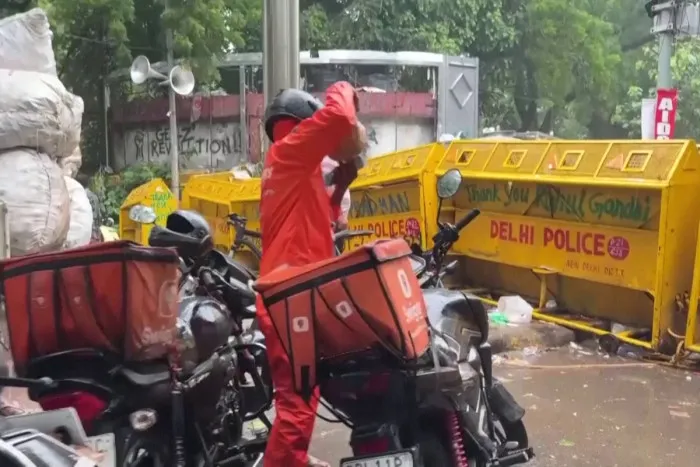
A dedicated network of volunteers is playing a crucial role in sustaining a significant youth-led protest movement in India’s capital. These individuals are ensuring a continuous flow of essential supplies, from food and drinks to other necessities, keeping the demonstrators energized and focused. The movement, which has emerged as a prominent display of public dissent against the current government, relies heavily on this logistical backbone provided by its supporters.
Sustaining the Movement: The Role of Volunteers
The protests, characterized by their youth-driven energy and determination, have become a focal point for public discourse. At the heart of their endurance is a group of volunteers who manage the complex task of supply chain management. Food delivery riders, often seen as symbols of modern urban logistics, are frequently repurposed to transport meals, snacks, and bottled water to the protest sites. This seemingly simple act of delivery is, in fact, a vital component of maintaining the momentum of the demonstrations.
Beyond the immediate vicinity of the capital, a broader network of supporters contributes through donations. These contributions, facilitated by the volunteer network, allow individuals from across India and even from international locations to participate indirectly. For many, the inability to be physically present at the protest sites does not diminish their commitment; instead, they channel their support through these vital logistical channels, ensuring that those on the ground have the resources they need.
The Broader Context of Public Dissent
The emergence of such a widespread and sustained protest movement highlights a significant aspect of public engagement with the government’s policies. In a landscape where large-scale public dissent can be infrequent, this movement stands out. The youth, in particular, have mobilized, using various platforms and methods to voice their concerns. The volunteer effort is not just about providing food; it’s about enabling and amplifying this expression of public opinion.
The logistical operations managed by volunteers extend beyond mere sustenance. They often coordinate the collection and distribution of other essential items, such as medical supplies, blankets, and communication equipment, depending on the specific needs of the protesters. This comprehensive support system underscores the deep commitment of the individuals involved, many of whom dedicate significant personal time and resources to the cause.
Challenges and Adaptations
Organizing such a large-scale logistical operation presents numerous challenges. Volunteers must navigate potential disruptions, ensure the safety of delivery personnel, and manage fluctuating supply demands. The reliance on delivery services, while efficient, also means that the movement is susceptible to external factors affecting these services, such as weather conditions or traffic restrictions.
To mitigate these challenges, volunteers often employ creative solutions. This can include establishing local distribution hubs, coordinating with multiple delivery platforms, and even utilizing personal vehicles when necessary. The adaptability and resourcefulness of these volunteers are key to the sustained presence of the protesters. They are the unseen force that ensures the physical needs of the demonstrators are met, allowing them to concentrate on their message and objectives.
The Impact of Youth-Led Movements
Youth-led movements have historically played a pivotal role in shaping social and political landscapes worldwide. In India, the current wave of protests demonstrates the power of young citizens to organize, articulate their grievances, and demand attention from policymakers. The success of these movements often hinges on their ability to maintain visibility and endurance, which is directly supported by the volunteer infrastructure.
The dedication of these volunteers, often working behind the scenes, is instrumental in translating the energy of the protesters into a sustained presence. Their efforts ensure that the message of dissent is not diluted by logistical shortcomings. By providing a reliable stream of necessities, they empower the demonstrators to continue their advocacy, contributing to a broader conversation about governance and public policy in India.
Conclusion: A Network of Support
The ongoing youth-led protests in India’s capital are a testament to the power of collective action and the critical importance of logistical support. The volunteers, through their tireless efforts in coordinating food deliveries and managing donations, form the essential backbone of this movement. Their work ensures that the voices of the protesters are sustained, enabling a significant expression of public dissent to continue. This network of support, stretching from local delivery riders to international donors, highlights the multifaceted ways in which citizens can engage with and influence the political process.
