

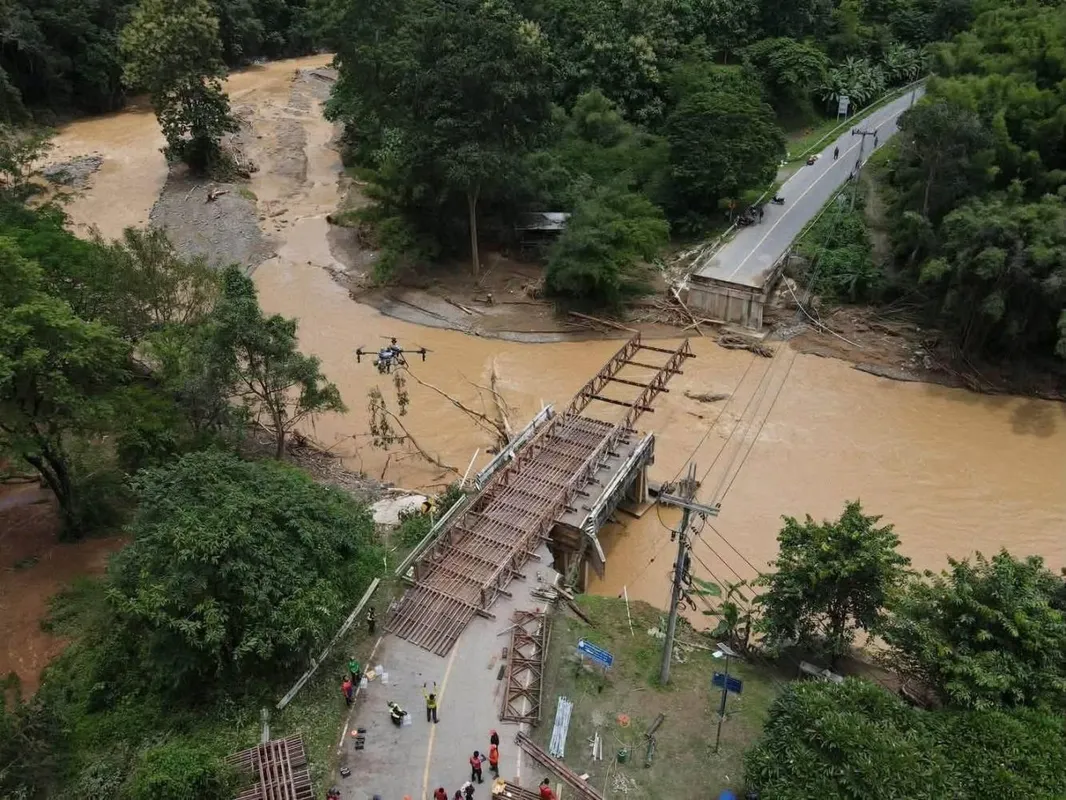
Recent flooding in Thailand’s Nan Province has brought the devastating impact of extreme weather into sharp focus. Beyond the immediate human suffering and property damage, these events serve as a critical warning for the nation, underscoring the urgent need to adapt and prepare for a future where climate-induced disruptions are likely to intensify. The recurring cycle of rain, disaster, relief, and repair in Nan highlights a broader challenge: how can Thailand move beyond reactive measures to build genuine long-term resilience?
Understanding the Nan Province Floods
Nan Province, nestled in the mountainous north of Thailand, is renowned for its stunning natural beauty, characterized by lush forests, fertile farmlands, and the vital Nan River. This natural heritage, however, also makes it particularly vulnerable to the impacts of heavy rainfall and subsequent flooding. The recent inundation has submerged homes, damaged agricultural land, and disrupted transportation and daily life for thousands of residents.
The floods in Nan are not isolated incidents but part of a pattern observed across Thailand and indeed, much of Southeast Asia. Climate change is widely understood to be exacerbating the frequency and intensity of extreme weather events, including monsoonal downpours that can overwhelm natural and man-made drainage systems. While the exact meteorological conditions leading to any specific flood event are complex, the overarching trend points towards a more volatile climate future.
The Cycle of Disaster and Relief
For communities like those in Nan, the aftermath of a flood typically involves a familiar, yet insufficient, sequence of events:
- Disaster Strikes: Intense rainfall leads to overflowing rivers and flash floods, causing widespread damage.
- Immediate Relief Efforts: Government agencies, NGOs, and local communities mobilize to provide essential aid, such as food, water, shelter, and medical assistance.
- Damage Assessment and Repair: Efforts begin to assess the extent of the damage to infrastructure, homes, and livelihoods, followed by repair and rebuilding initiatives.
- Return to ‘Normalcy’: As waters recede and repairs are made, life gradually returns to its previous state, often with little fundamental change to the underlying vulnerabilities.
While these relief and repair efforts are crucial for immediate survival and recovery, they often fail to address the root causes of vulnerability. This reactive approach leaves communities perpetually exposed to the next extreme weather event, trapping them in a costly and emotionally draining cycle.
Moving Beyond Reaction: Building Resilience
The concept of turning water into wisdom, as suggested by the situation in Nan, implies a shift from merely reacting to disasters to proactively building resilience. This involves a multi-faceted approach encompassing infrastructure, policy, community engagement, and environmental stewardship.
Infrastructure and Planning
Investing in robust infrastructure is paramount. This includes:
- Improved Drainage Systems: Upgrading and expanding urban and rural drainage networks to handle larger volumes of water.
- Flood Defenses: Constructing or reinforcing dikes, levees, and flood barriers in high-risk areas.
- Water Management Systems: Developing integrated water resource management plans that include reservoirs, retention ponds, and natural floodplains to regulate water flow.
- Early Warning Systems: Enhancing meteorological monitoring and communication systems to provide timely and accurate flood warnings to affected populations.
Crucially, infrastructure development must be guided by forward-looking urban and regional planning that considers climate change projections and avoids development in high-risk floodplains.
Environmental Stewardship
The health of Nan’s natural environment is intrinsically linked to its flood resilience. Key actions include:
- Reforestation and Forest Conservation: Protecting and restoring forest cover in upstream areas helps to slow water runoff and reduce soil erosion, mitigating the severity of flash floods.
- Wetland and Riverbank Restoration: Preserving and rehabilitating natural wetlands and riverine ecosystems allows them to absorb excess water and act as natural buffers.
- Sustainable Agriculture: Promoting farming practices that minimize soil degradation and runoff, such as agroforestry and conservation tillage.
Community Engagement and Education
Building resilience is not solely a top-down endeavor. Empowering local communities is vital:
- Disaster Preparedness Training: Equipping residents with the knowledge and skills to prepare for, respond to, and recover from floods.
- Local Knowledge Integration: Incorporating traditional and local knowledge of weather patterns and water management into modern planning.
- Community-Based Monitoring: Establishing local networks to monitor environmental conditions and potential flood risks.
- Awareness Campaigns: Educating the public about climate change impacts and the importance of individual and collective preparedness.
Policy and Governance
Effective flood management requires strong policy frameworks and coordinated governance:
- Climate Adaptation Strategies: Developing and implementing national and regional strategies for climate change adaptation.
- Integrated Planning: Ensuring that disaster risk reduction is integrated into all relevant development plans and policies.
- Cross-Agency Coordination: Fostering collaboration between government departments responsible for water resources, environment, disaster management, and urban planning.
- Investment in Research: Supporting research into climate modeling, flood prediction, and effective adaptation measures.
The Path Forward for Nan and Thailand
The floods in Nan Province offer a stark reminder that the impacts of climate change are not a distant threat but a present reality. By learning from these recurring disasters, Thailand has an opportunity to transform its approach. Shifting from a cycle of response and repair to one of proactive resilience-building requires sustained investment, innovative solutions, and a commitment to integrating environmental sustainability and community well-being into national development strategies.
Turning water into wisdom means recognizing the lessons embedded in every flood event. It means understanding that effective flood management is not just about controlling water, but about fostering a harmonious relationship between human activity and the natural environment, ensuring that provinces like Nan can thrive in a changing climate.
