

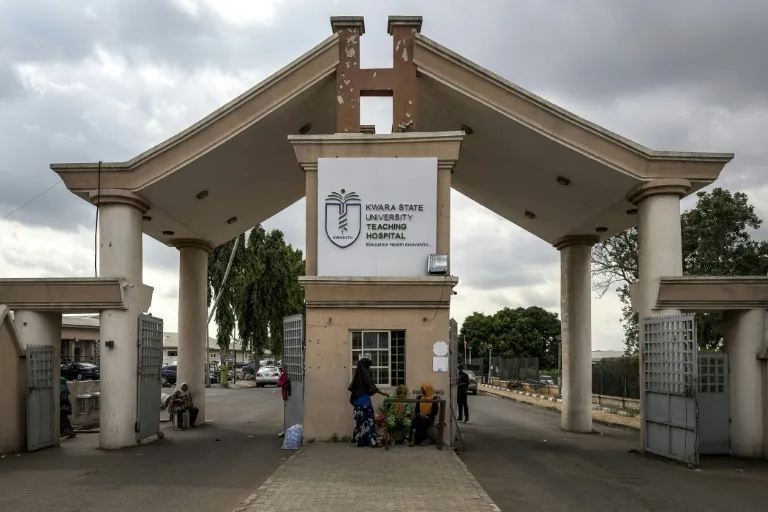
Survivors of a brutal mass kidnapping in Nigeria are beginning their recovery, recounting harrowing experiences of captivity marked by starvation, violence, and forced confinement. The victims, rescued earlier this month from the Kainji Lake National Park forest, are now receiving medical attention, though many face a long road to healing. This large-scale rescue operation, involving 308 individuals freed in a single day, highlights the persistent crisis of abductions plaguing the nation.
A Glimpse of Recovery and Lingering Trauma
At the Kwara State University Teaching Hospital in Ilorin, the stark reality of the victims’ ordeal is evident. Medical staff attend to those suffering from malnutrition and injuries sustained during their captivity. One young child, hooked to a respirator, lay under a blue sheet, while a small girl, no older than six, sat alone on a hospital bed, awaiting family members. Nurses reported that while patients were responding to treatment, some required blood transfusions. The emotional scars are as deep as the physical ones, with many survivors expressing profound relief at their escape from what they described as “hellfire.”
The Attack on Woro Village
The ordeal began in February when suspected jihadists attacked the village of Woro, located near the Benin border. The assault resulted in the deaths of an estimated 165 people and the abduction of scores of residents. Among those taken were patients from a local clinic, who were later found among the rescued group. The victims recounted being held in a camp alongside over a hundred others seized from neighboring villages, including Kasuwan Daji and Konkoso in Niger state. According to the village head of Woro, Umar Bio Salihu, thirteen individuals from his community died while in captivity, and another thirteen remain unaccounted for.
Nigeria’s Pervasive Kidnapping Crisis
Abductions for ransom have become a significant source of income for criminal organizations across Nigeria, including jihadist factions and non-ideological bandit groups operating in the country’s northern and central regions. A recent report by SBM Intelligence, a Lagos-based consultancy, estimated that ransom payments generated approximately $1.66 million between July 2024 and June 2025, underscoring the scale of this crisis. Despite the government’s announcement of the largest single-day rescue operation, the incident underscores the ongoing challenge authorities face in curbing these widespread criminal activities.
Life in Captivity: “Hellfire” Conditions
Survivors shared chilling details of their time in captivity. Gaunt and visibly traumatized, one victim, Hajara, described the experience as worse than anything she could wish upon her enemies. The daily diet consisted of meager rations, primarily “tuwo” – a thick porridge made from guinea corn – and a “soup” concocted from river water and salt, with occasional seasoning cubes. Beef, presumably from rustled cattle, was a rare luxury. Any attempt by captives to leave their designated areas without permission from guards resulted in severe beatings, as recounted by 25-year-old nurse Amira Salihu, whose two brothers were killed in the February attack.
Babies Born in Darkness
The harrowing conditions extended to the most vulnerable. Amira Salihu, who was among the abducted, described assisting in the delivery of more than a dozen babies born while women were in captivity. Lacking proper medical facilities and adequate lighting, these births occurred by the dim glow of battery-powered torches. Using a borrowed razor blade, she helped cut the umbilical cords, a testament to the desperate circumstances faced by the captives.
Reunions and Resilience
Following their rescue, many of the freed abductees, particularly young children, were temporarily housed in a hotel under police protection, where they are beginning to reconnect and find solace. The village head, Umar Bio Salihu, has been diligently traveling between Woro and Ilorin to monitor the recovery of his community members. Despite the immense loss and trauma, there are signs of resilience. Residents report that life in Woro is gradually returning to normal, with the village market bustling once again, and the community eagerly awaiting the return of those still recovering.
A Community’s Hope
The collective joy of the community is palpable as they prepare to welcome back their loved ones. The successful rescue operation, while highlighting the severity of the kidnapping crisis, offers a glimmer of hope. Efforts are underway to ensure the long-term recovery and rehabilitation of the survivors, as Nigeria continues to grapple with the profound challenge of insecurity and the devastating impact of mass abductions on its citizens.
