

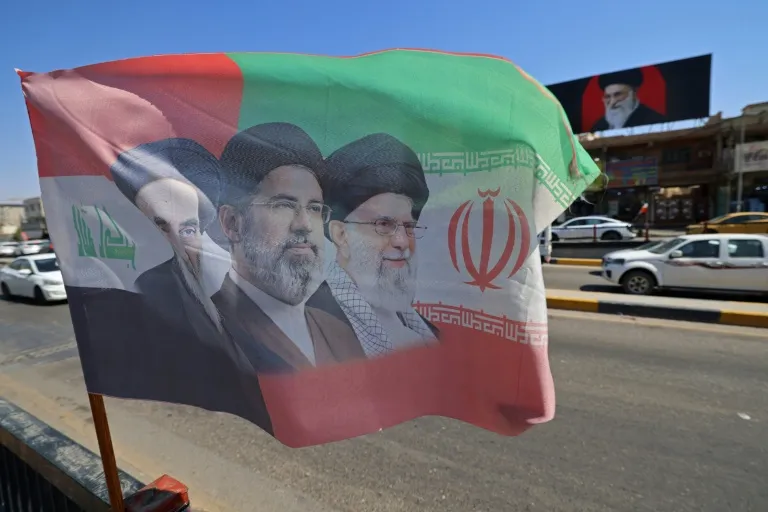
Global oil prices experienced a significant jump, with international benchmarks Brent crude and West Texas Intermediate each climbing over 5%. This surge followed statements from a high-profile political figure indicating that a previously established ceasefire related to Iran was “over.” The renewed geopolitical uncertainty immediately impacted financial markets, leading to declines in major stock indices worldwide.
Geopolitical Tensions Resurface, Driving Oil Prices Up
The recent escalation in tensions stems from a series of attacks on vessels traversing the critical Strait of Hormuz shipping lane, an action attributed to Iran. In response to these incidents and subsequent retaliatory strikes by the United States on Iranian targets and a revocation of sanctions waivers for Iranian oil, markets reacted swiftly. The price of Brent North Sea crude rose to approximately $78 a barrel, while West Texas Intermediate also saw a substantial increase, reflecting heightened concerns over potential supply disruptions.
Analysts noted that the market had recently seen oil prices recede towards pre-conflict levels of around $70 a barrel. However, the latest developments have reversed this trend. The situation has been further complicated by the United States’ extensive strikes against Iran this week, which led to retaliatory actions against American bases in the Gulf region. This cycle of reprisal and counter-reprisal has injected a fresh wave of volatility into energy markets.
Market Reactions and Analyst Commentary
The impact was not confined to oil. Wall Street stocks registered notable losses in early trading. The Dow Jones Industrial Average fell by 1.0%, while the broader S&P 500 and the tech-focused Nasdaq Composite Index also experienced declines. European markets mirrored this trend, with major indices in Paris, Frankfurt, and London all trading lower.
Kathleen Brooks, research director at trading group XTB, commented on the rising geopolitical risks affecting markets. Fawad Razaqzada, a market analyst with Forex.com, expressed concern that the return of such geopolitical instability, particularly after a volatile first half of the year marked by conflict and shifting political stances, was unwelcome as the summer holiday season approached. He suggested that the markets might be heading back into a period of heightened geopolitical concern.
Brooks further elaborated on the conditions that could lead to further price increases, stating, “For the Brent crude oil price to extend gains above $80 per barrel, we would need to see another US naval blockade of the Strait of Hormuz, which would stop Iran from selling its oil and cause a major escalation in tensions.” Such a scenario would significantly disrupt global oil supply and dramatically increase prices.
Broader Market Impacts and AI Sector Concerns
Equities across Asia also felt the pressure, with geopolitical tensions exacerbating existing concerns within the technology sector. A recent pullback in tech stocks, driven by worries over substantial investments in artificial intelligence (AI) and high valuations, had already created a cautious market environment. Seoul’s Kospi index, a bellwether for Asia’s tech rally, saw a significant drop of over five percent. The index has now fallen more than 20% from its recent record high.
Major technology firms, including Samsung, experienced considerable losses. This followed a previous downturn for Samsung, despite the company forecasting a substantial increase in its second-quarter operating profit, largely attributed to strong demand for AI chips. Rival SK Hynix also saw its stock price decline.
Dan Coatsworth, head of markets at AJ Bell, attributed these movements to investor apprehension regarding excessive spending in the AI sector and the rich valuations of certain tech companies, leading to widespread profit-taking. The combination of geopolitical instability and sector-specific concerns created a challenging environment for investors.
Dollar Strength and Inflation Fears
Amidst the market turmoil, the U.S. dollar showed some strength against other major currencies. The prospect of further disruption to Middle East oil supplies fueled concerns that inflation could persist at higher levels for longer than anticipated. This, in turn, increased pressure on the Federal Reserve to consider further interest rate hikes to combat rising prices.
Key Market Figures at 13:50 GMT
- Brent North Sea Crude: Up 5.0% at $77.82 a barrel
- West Texas Intermediate: Up 4.6% at $73.65 a barrel
- New York – Dow Jones Industrial Average: Down 1.0% at 52,412.15 points
- New York – S&P 500: Down 0.5% at 7,466.79
- New York – Nasdaq Composite: Down 0.3% at 25,734.20
- London – FTSE 100: Down 1.2% at 10,543.14 points
- Paris – CAC 40: Down 1.8% at 8,287.52
- Frankfurt – DAX: Down 1.8% at 25,020.52
- Seoul – Kospi: Down 5.4% at 7,246.79 (close)
- Tokyo – Nikkei 225: Down 2.1% at 66,819.05 (close)
- Hong Kong – Hang Seng Index: Up 3.0% at 24,199.46 (close)
- Shanghai – Composite: Down 0.5% at 3,970.88 (close)
- Euro/Dollar: Down at $1.1399 from $1.1415
- Pound/Dollar: Down at $1.3345 from $1.3360
- Dollar/Yen: Up at 162.49 yen from 162.09 yen
- Euro/Pound: Down at 85.41 pence from 85.44 pence
Conclusion
The renewed geopolitical friction surrounding Iran has injected significant volatility into global markets. The immediate impact has been a sharp rise in oil prices and a downturn in equity markets worldwide. Investors are closely monitoring the situation, with concerns about inflation and potential further supply disruptions weighing on sentiment. The interplay between geopolitical events, energy supply, and economic policy will likely continue to shape market movements in the coming period.
