

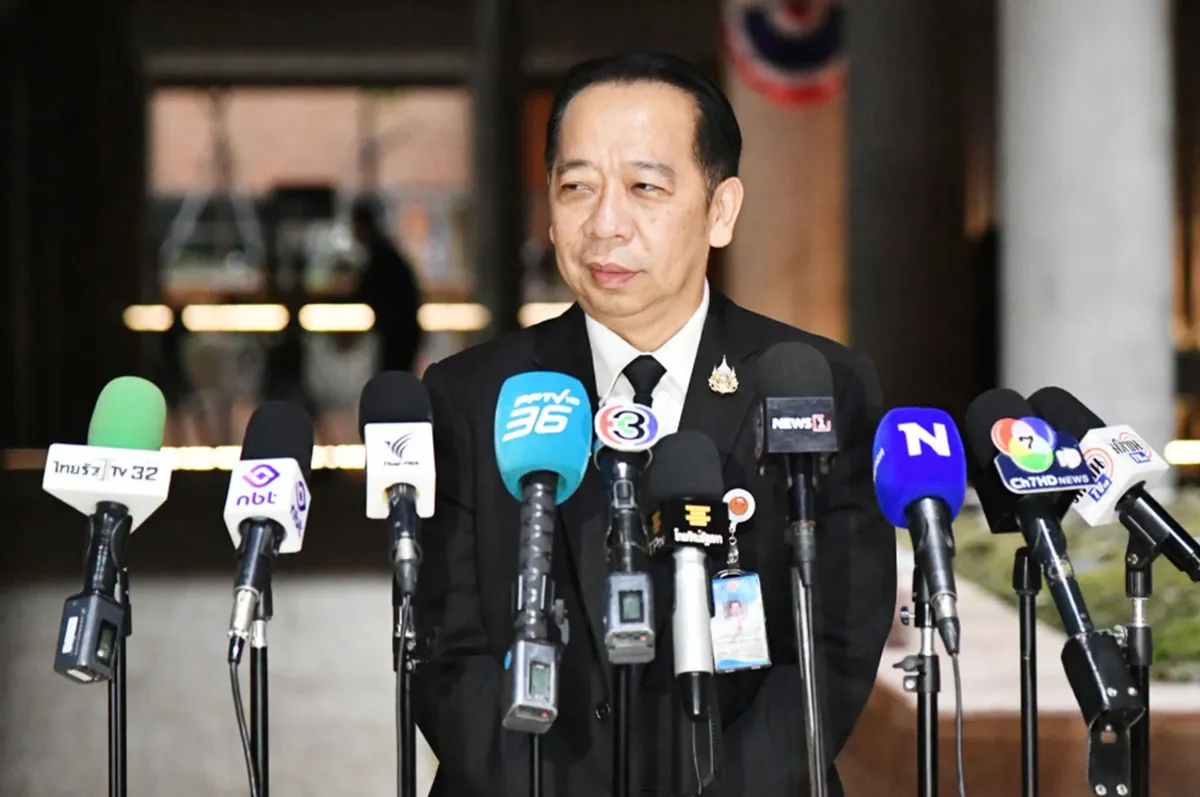
A planned salary increase for parliamentary support staff has been revoked, with the repeal officially published in the Royal Gazette on Wednesday. This decision, effective October 1st, reverses a recent amendment to the regulations governing the compensation of individuals assisting parliamentary functions.
Background of the Pay Increase Plan
The amendment that has now been abolished was designed to enhance the remuneration for a wide range of parliamentary personnel. This included not only assistants to Members of Parliament (MPs) and senators but also personal experts, specialist advisers, secretaries for standing committees in both the House of Representatives and the Senate, and political staff supporting key parliamentary leadership roles. These roles encompass the parliament president, vice-presidents of both chambers, and the opposition leader.
The original intention behind the amendment was to provide a more competitive and appropriate salary structure for these vital support roles, acknowledging their contribution to the legislative process. The proposed increases aimed to reflect the responsibilities and demands placed upon these individuals who work behind the scenes to ensure the smooth operation of parliamentary affairs.
Reasons for the Revocation
The reversal of the pay rise was initiated following concerns raised about the prevailing economic conditions. Upon assuming office in March, Parliament President Sophon Zarum requested a suspension of the planned salary increases. He expressed the view that the current economic climate was not conducive to implementing such raises for parliamentary support staff.
Mr. Sirote Paetphan, the Secretary-General of Parliament, elaborated on this decision, stating that the parliament president believed it was an inappropriate time to increase the salaries for this group of employees. Consequently, an order was issued to maintain the existing pay rates for parliamentary support staff, effectively nullifying the previously approved amendment.
Economic Considerations Drive Decision
The decision underscores a cautious approach to public expenditure in light of economic uncertainties. While the value of the support staff’s work was recognized, the prevailing economic situation took precedence in the final decision-making process. This indicates a broader governmental or parliamentary sensitivity to public perception and fiscal responsibility during challenging economic periods.
Future Review of Compensation
Despite the immediate revocation of the pay increase, the issue of compensation for parliamentary support staff is not entirely closed. A committee has been established to conduct a further study on the matter. This suggests that while the current economic climate prevented the immediate implementation of higher salaries, the long-term adequacy and fairness of the existing pay structure will be re-evaluated.
The committee’s mandate will likely involve assessing market rates, the scope of responsibilities for each role, and the overall budget implications. Their findings will inform future decisions regarding remuneration for parliamentary support personnel, potentially leading to revised proposals once economic conditions are deemed more favorable or if the committee identifies significant discrepancies in current pay scales.
Impact on Parliamentary Support Staff
The immediate impact of this decision is that parliamentary support staff will continue to receive their current salaries, with no increase taking effect on October 1st as originally planned. This may lead to disappointment among those who were expecting a salary adjustment. However, the establishment of a committee for further study offers a glimmer of hope for future adjustments.
The roles covered by this decision are crucial for the functioning of the legislative bodies. These individuals provide essential administrative, research, and advisory services that enable MPs and senators to perform their duties effectively. Their compensation is therefore a matter of importance for maintaining morale and attracting qualified personnel to these positions.
Conclusion
The revocation of the pay rise for parliamentary support staff highlights the complex interplay between legislative operations, economic realities, and public financial management. While the amendment aimed to improve compensation, the prevailing economic concerns led to its swift reversal. The formation of a study committee indicates that the issue of fair compensation for these essential parliamentary workers remains under consideration for future review.
