

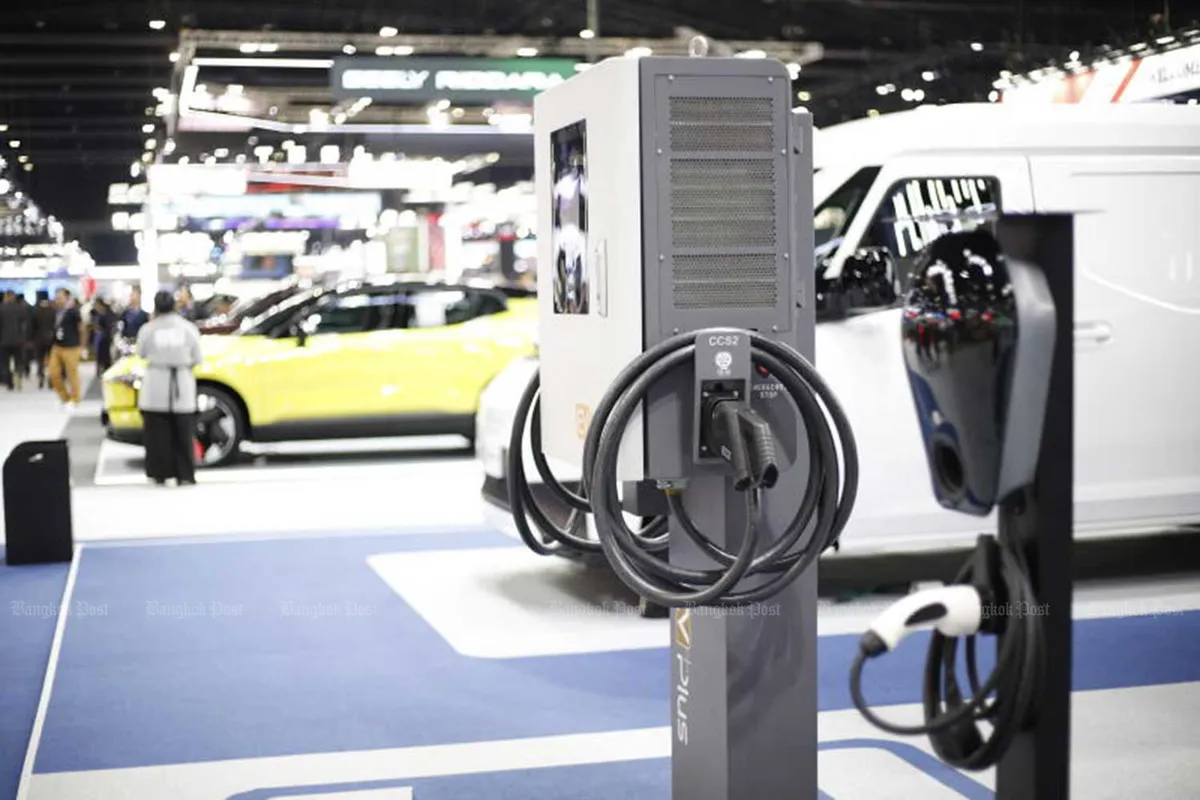
The Thai government is initiating a comprehensive review of its automotive excise tax structure, a strategic move aimed at preserving and attracting investment within the nation’s vital car manufacturing sector. This overhaul is particularly crucial as the global and domestic markets increasingly pivot towards electric vehicles (EVs). The announcement signals a proactive approach to adapting to evolving industry trends and maintaining Thailand’s competitive edge in automotive production.
Strategic Importance of the Automotive Sector
Thailand has long been a significant automotive manufacturing hub in Southeast Asia, often referred to as the ‘Detroit of the East.’ The industry is a cornerstone of the national economy, contributing substantially to GDP, employment, and exports. Historically, the country has attracted major global automakers due to its strategic location, robust infrastructure, and favorable investment policies. However, the rapid global shift towards electrification presents both an opportunity and a challenge.
The current excise tax system, largely designed around internal combustion engine (ICE) vehicles, may not adequately incentivize the production and adoption of EVs. A review is therefore essential to ensure that tax policies align with the government’s ambitions to become a leader in the EV ecosystem.
Focus on Electric Vehicle Transition
The primary driver behind the excise tax review is the accelerating global transition to electric mobility. Governments worldwide are implementing policies to encourage EV adoption and manufacturing, and Thailand is keen to keep pace. The goal is to create an environment where manufacturers find it increasingly attractive to produce EVs and their components within Thailand.
This involves examining various aspects of the excise tax, potentially including:
- Incentives for EV Production: Exploring tax reductions or exemptions for manufacturers investing in EV production facilities, battery manufacturing, and related supply chains.
- Tax Rates for EVs: Adjusting excise tax rates on finished EVs to make them more competitive compared to traditional ICE vehicles, thereby stimulating consumer demand.
- Support for Hybrid Technology: Considering the role of hybrid vehicles during the transition period and whether tax structures should reflect their lower emissions compared to conventional cars.
- Component Taxation: Reviewing taxes on imported and domestically produced EV components to ensure cost-effectiveness for manufacturers.
By recalibrating these tax elements, the government hopes to prevent a scenario where investment shifts away from Thailand to countries with more supportive EV policies. Retaining existing investment and attracting new players in the EV space is paramount for the future health of the automotive industry.
Government’s Commitment and Future Outlook
The government has indicated its commitment to a thorough and timely review process. While specific details of the proposed tax changes are yet to be finalized, the intention is clear: to modernize the tax framework to support the industry’s evolution. This proactive stance is crucial for maintaining Thailand’s position as a regional automotive powerhouse.
The review is expected to involve consultations with industry stakeholders, including automakers, parts suppliers, and relevant government agencies. This collaborative approach will help ensure that the revised tax structure is practical, effective, and addresses the real-world challenges and opportunities faced by the sector.
The successful implementation of new excise tax policies could significantly influence Thailand’s ability to capitalize on the burgeoning EV market. It has the potential to foster innovation, create high-value jobs, and contribute to the country’s environmental goals by promoting cleaner transportation solutions. The automotive industry, and indeed the broader Thai economy, will be closely watching the outcomes of this critical review.
Broader Economic Implications
Beyond the direct impact on car manufacturers and consumers, the review of excise taxes has wider economic implications. A thriving automotive sector, particularly one embracing new technologies like EVs, can stimulate growth in related industries, such as battery technology, charging infrastructure, and advanced materials. It also supports the development of a skilled workforce capable of meeting the demands of modern manufacturing.
Furthermore, by encouraging the production and adoption of EVs, Thailand can work towards its climate change commitments. Reduced tailpipe emissions from vehicles contribute to improved air quality in urban areas and a lower national carbon footprint. The excise tax review, therefore, is not just an industrial policy adjustment but also a component of Thailand’s broader sustainable development strategy.
Conclusion
The Thai government’s decision to review its automotive excise tax structure is a timely and necessary step. As the global automotive landscape shifts dramatically towards electrification, adapting fiscal policies is essential for maintaining competitiveness and fostering growth. By strategically recalibrating taxes, Thailand aims to solidify its position as a key player in the future of automotive manufacturing, particularly in the rapidly expanding electric vehicle market. The success of this review will be pivotal in ensuring the long-term vitality and sustainability of one of the nation’s most important economic sectors.
