

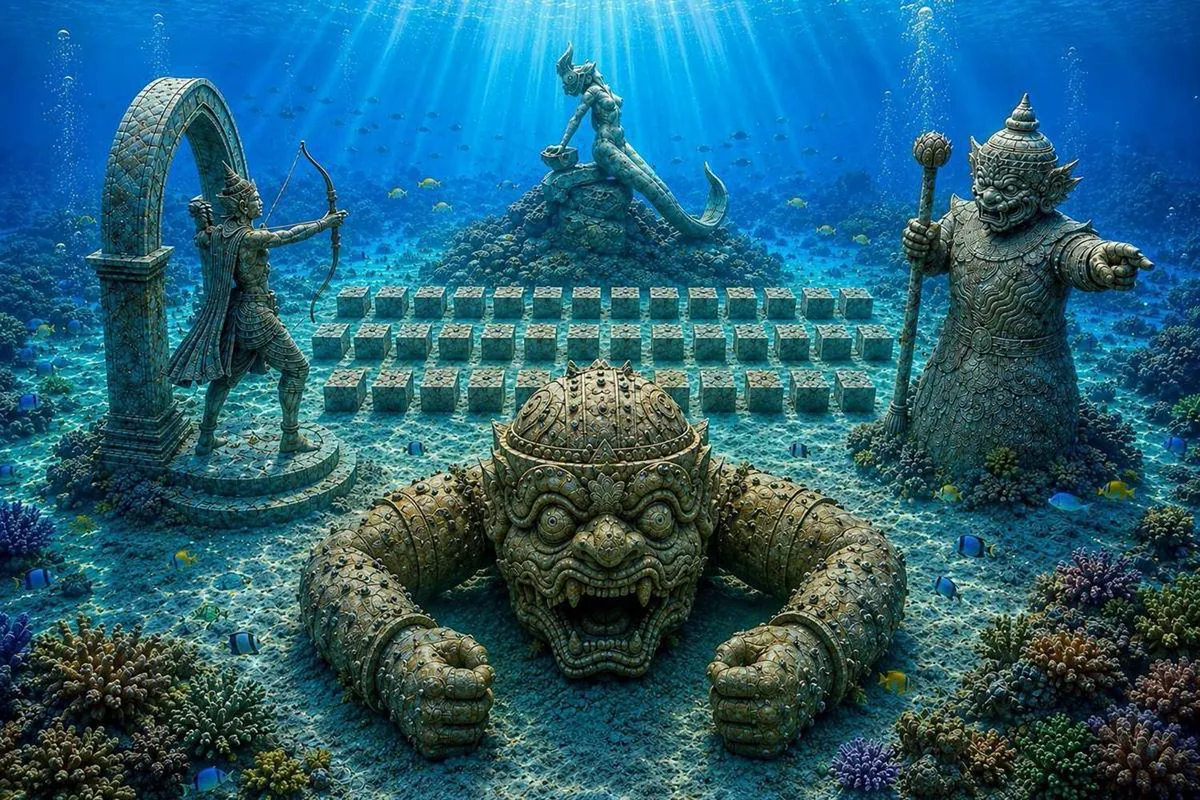
Phuket, Thailand is set to launch Asia’s pioneering underwater art museum, a unique initiative designed to draw visitors and simultaneously alleviate pressure on the region’s delicate marine ecosystems. The RAYA Underwater Art Museum, situated in the waters off the southern resort province, aims to become a significant new attraction for divers and snorkelers.
A Novel Approach to Marine Conservation and Tourism
The concept behind the RAYA Underwater Art Museum is twofold: to provide an innovative cultural experience and to act as a catalyst for marine conservation. By creating a dedicated space for artistic installations beneath the waves, the museum hopes to divert some of the tourism traffic away from vulnerable natural coral reefs. This strategic relocation of interest could allow natural reef systems more time to recover and thrive, reducing the physical impact from anchors, divers, and boat traffic.
The Art and Its Environment
The museum’s collection will feature a variety of sculptures and installations specifically designed to withstand the marine environment. These artworks are intended not only to be visually striking but also to serve as artificial reefs, encouraging marine life to colonize them. Over time, the sculptures are expected to become integrated into the underwater landscape, fostering biodiversity and creating new habitats for fish and other sea creatures. The selection and placement of these art pieces are being carefully considered to ensure they complement, rather than harm, the existing marine environment.
Materials and Design Considerations
The materials used for the underwater sculptures are crucial for their longevity and environmental compatibility. Artists and engineers are working with substances that are non-toxic and durable in saltwater, often incorporating textures and shapes that naturally attract marine organisms. The design process involves extensive research into how different materials and forms will interact with the ocean over extended periods, ensuring the artworks contribute positively to the ecosystem.
Boosting Phuket’s Appeal as a Dive Destination
Phuket is already a globally recognized destination for its stunning beaches and vibrant marine life. The addition of the RAYA Underwater Art Museum is expected to further enhance its appeal, offering a distinct experience that differentiates it from other tropical resorts. This new attraction is anticipated to draw a wider range of tourists, including art enthusiasts and those seeking novel adventure activities, potentially extending the tourist season and boosting the local economy.
Economic and Environmental Synergies
The project represents a forward-thinking approach to sustainable tourism, demonstrating how cultural attractions can be integrated with environmental protection goals. By creating a unique selling proposition, the museum aims to attract visitors who are mindful of their environmental impact, while also providing a controlled environment for experiencing underwater art. This could lead to increased revenue for local businesses, from dive operators to hospitality services, while simultaneously promoting a message of ocean stewardship.
Challenges and Future Prospects
Establishing an underwater museum presents unique challenges, including the complexities of installation, maintenance, and ensuring visitor safety. The museum’s operators will need to implement robust monitoring systems to track the condition of the artworks and their impact on the surrounding marine environment. Furthermore, educating visitors on responsible interaction with the underwater site will be paramount to its long-term success.
Visitor Experience and Accessibility
Access to the RAYA Underwater Art Museum will likely be facilitated through guided tours operated by licensed dive centers and boat services. The depth and location will be chosen to be accessible to a range of skill levels, from experienced divers to snorkelers, potentially including glass-bottom boat tours for those who prefer to stay dry. Safety briefings and environmental guidelines will be a standard part of the visitor experience.
A Model for Sustainable Underwater Development
The RAYA Underwater Art Museum has the potential to serve as a model for future underwater attractions, not just in Thailand but globally. Its success will depend on a careful balance between artistic vision, engineering feasibility, and ecological responsibility. If executed effectively, it could pave the way for more innovative projects that combine tourism, art, and conservation, offering a new dimension to the appreciation of marine environments.
Conclusion
The upcoming opening of the RAYA Underwater Art Museum in Phuket marks a significant development in both the art world and marine tourism. By offering a unique cultural experience and a proactive approach to conservation, the museum is poised to become a celebrated landmark, drawing visitors to the underwater beauty of Thailand while safeguarding its precious coral reefs for generations to come.
