

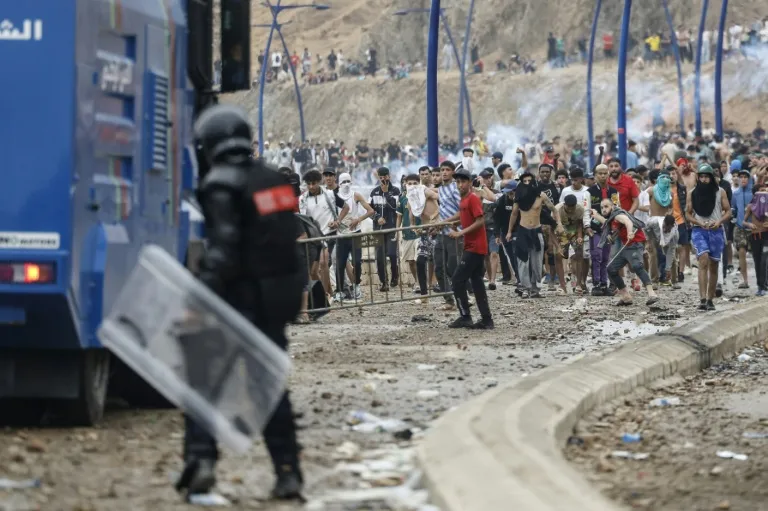
Spain is set to release intelligence documents concerning a massive influx of migrants into the Spanish enclave of Ceuta from neighboring Morocco in late July. The unprecedented surge, which saw over 70,000 individuals enter the territory on July 30 and 31, has prompted an official investigation and raised significant questions about the circumstances surrounding the event. The Spanish government has stated its commitment to transparency by making approximately 40 documents publicly available.
Background of the Ceuta Migrant Crisis
The events of July 30 and 31 marked a critical moment for the Spanish territory of Ceuta, an autonomous city located on the northern coast of Africa, bordering Morocco. In a span of just two days, an extraordinary number of migrants, primarily from sub-Saharan Africa, managed to cross the border into Ceuta. This surge overwhelmed local resources and led to significant humanitarian challenges, with many migrants sleeping in the open for weeks. The sheer scale of the influx has led to intense scrutiny of how such an event could occur with seemingly little prior warning or effective border control.
Government Response and Transparency Efforts
Government spokeswoman Elma Saiz announced on Tuesday that the cabinet had approved the public release of intelligence reports related to the migrant rush. These documents are expected to be made public on Wednesday. Saiz emphasized that this action underscores the government’s dedication to transparency and the public’s right to access information. While the exact contents of the documents were not previewed, their release is a direct response to the widespread questions and political pressure following the incident.
The Spanish government has previously maintained that it did not receive advance notice of the magnitude of the migrant surge. Furthermore, officials have stated that there is no conclusive evidence to suggest that Morocco orchestrated the event. However, doubts and speculation have persisted, particularly given Morocco’s historical claims of sovereignty over Ceuta and another Spanish territory, Melilla.
Intelligence Reports and Investigations
Adding to the complexity, a Spanish police report that was leaked the previous week suggested a degree of “total permissiveness” by Moroccan security forces during the peak of the migrant crossings. The report indicated that the number of Moroccan security personnel at the Ceuta border was lower than usual, and some were alleged to have actively assisted migrants in reaching Spanish territory. This leaked report appears to have formed a significant basis for the Spanish top criminal court’s decision to open an investigation into the events. The court’s ruling cited “undeniable facilitation” from Moroccan authorities.
The release of official intelligence documents is expected to shed further light on these claims and provide a clearer picture of the events from Spain’s perspective. The investigation by the criminal court aims to ascertain the facts and responsibilities surrounding the unprecedented border breach.
Political Ramifications and Opposition Criticism
The handling of the Ceuta crisis has become a focal point for political debate within Spain. The conservative and far-right opposition parties have been highly critical of the leftist government’s response. They accuse the administration of failing to heed prior warnings and of adopting a subservient stance towards Morocco, a nation with which Spain maintains complex and sensitive diplomatic relations. The opposition has called for greater accountability and a more robust border security policy.
Humanitarian Situation and Migrant Returns
The immediate aftermath of the migrant surge saw a significant humanitarian challenge within Ceuta. While the majority of the migrants who entered the enclave have since been returned to Morocco, thousands remained, facing difficult living conditions. This situation fueled local tensions, with some residents demanding the expulsion of the remaining migrants.
To address the immediate needs, Angel Victor Torres, the minister responsible for relations with Spain’s autonomous communities, announced on Tuesday that 3,400 reception places had been established for the migrants. The government aims to increase this capacity to 6,000 places in the coming days. Efforts are underway to expedite the return of migrants who do not qualify for asylum. However, this process requires thorough identification and assessment procedures.
A particular challenge involves unaccompanied children. These minors cannot be summarily deported and are entitled to special protection, requiring individualized assessment and care arrangements. The government’s approach seeks to balance border control with humanitarian obligations and international law.
Conclusion
The release of intelligence reports by Spain marks a significant step in understanding the complex dynamics behind the July migrant surge into Ceuta. The ongoing investigation and the government’s transparency measures aim to clarify the role of Moroccan authorities and address the political and humanitarian fallout. As Spain navigates these challenges, the focus remains on managing the situation within Ceuta, processing the remaining migrants, and reinforcing border security while adhering to international norms.
