

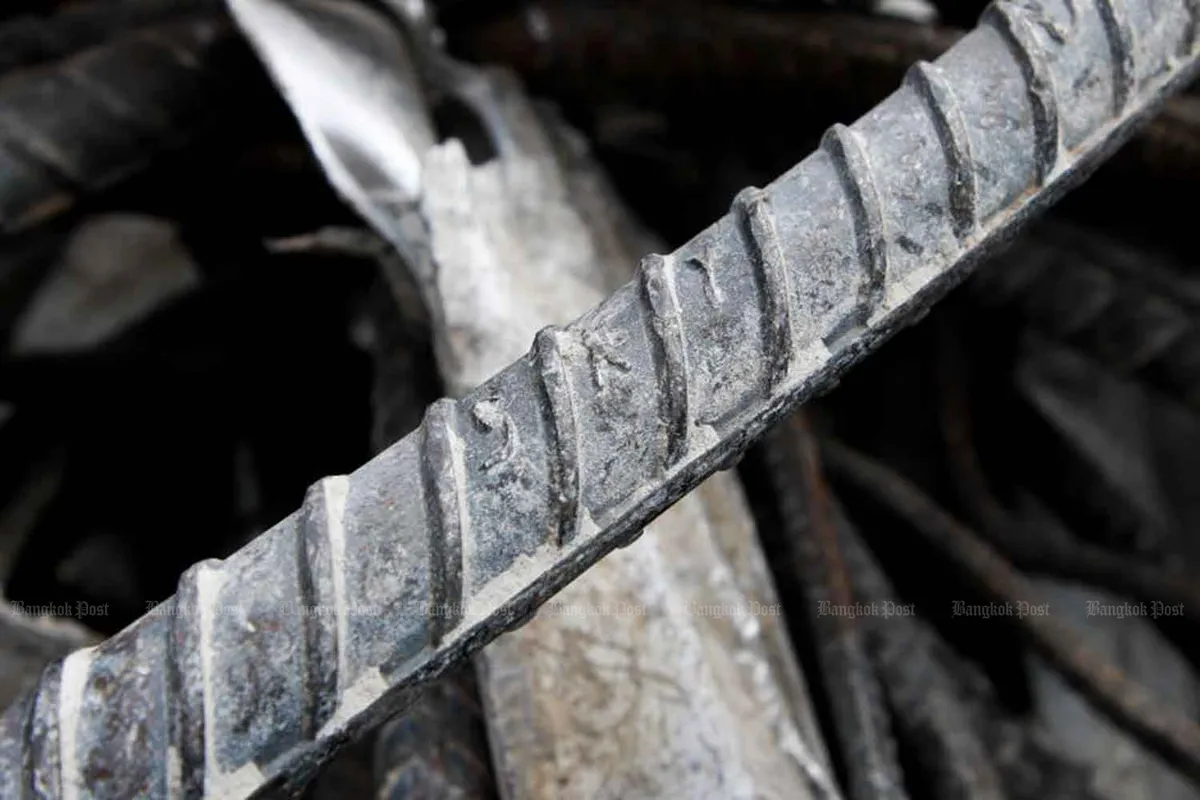
The recent decision to allow a steel manufacturing plant to resume operations has ignited a broader debate regarding regulatory oversight and the use of materials in critical infrastructure. The core issue revolves around ongoing concerns raised by structural engineers and industry experts about the quality of steel used in essential construction projects.
Plant Reopens Amidst Lingering Doubts
Xin Ke Yuan Steel, a company with operations in Thailand, had been closed for over 18 months due to alleged substandard product quality, alongside regulatory, safety, and environmental violations. The company was previously accused by the prior administration of producing inferior steel. This comes in the wake of a devastating earthquake on March 28, 2025, which caused the catastrophic collapse of the 30-storey State Audit Office (SAO) building, resulting in nearly 100 fatalities.
On June 5, following authorities’ conclusion that the company had met the required conditions for reopening, Xin Ke Yuan Steel was granted permission to restart its production. The government maintains that this reopening was mandated by existing law, emphasizing that the company addressed all identified deficiencies and met the necessary standards.
Industry Minister Promises Stricter Scrutiny
In response to the controversy, Industry Minister Varawut Silpa-archa has committed to implementing more frequent inspections of all steel plants. He announced that steelmakers utilizing induction furnace (IF) technology will be required to install and operate ladle refining furnaces to enhance quality control measures. Minister Silpa-archa also issued a warning, stating that production could be suspended again if future assessments reveal any violations or substandard products.
Expert Calls for Enhanced Safeguards
Despite these assurances, significant criticism persists. Professor Amorn Pimanmas, president of the Thailand Structural Engineers Association, has been a vocal advocate for more stringent oversight of IF-produced steel. He is calling for dedicated technical standards, clearer product identification, and enhanced monitoring.
Professor Pimanmas argues that steel produced using induction furnace technology can be susceptible to quality variations, particularly when recycled scrap metal is used as raw material and secondary refining processes are insufficient. He further urges authorities to consider imposing restrictions on the use of such steel in high-risk structures, tall buildings, and seismically active zones.
Broader Implications for Construction Standards
The earthquake and subsequent building collapse have amplified concerns regarding construction standards nationwide. Reports indicate that some government bodies, including the Bangkok Metropolitan Administration, have already restricted the use of IF-produced steel in major public works like bridges, elevated roadways, and rail systems. While these restrictions do not definitively prove IF-produced steel is unsafe, they highlight legitimate questions about risk assessment related to the technology.
Additional concerns have been voiced by Atavit Suwanpakdee, a former advisor to the Industry Minister, who was involved in inspections that led to the plant’s initial closure. Mr. Suwanpakdee questions the adequacy of current quality control and testing procedures, advocating for more robust safeguards for critical structures and public infrastructure projects that utilize IF-produced steel.
Manufacturers contend that IF technology is a globally accepted practice capable of producing steel that meets required standards with proper quality controls. Furthermore, investigations into the SAO building collapse have not yet definitively established whether steel quality was a contributing factor.
Reassessment of Regulatory Frameworks Needed
The central question remains whether Thailand’s current standards and oversight mechanisms adequately address the concerns raised by seasoned structural engineers. When respected experts voice doubts about the sufficiency of existing regulations for a specific production process, their concerns demand serious attention and thorough investigation.
Recent events in other regions, such as the Philippines, have also drawn attention to construction quality and material standards in earthquake-prone areas. While direct comparisons require caution, such incidents underscore the critical need for robust oversight, which often becomes apparent only after a disaster strikes.
The reopening of Xin Ke Yuan Steel should serve as a catalyst for the Industry Ministry to conduct a comprehensive review of its regulations governing IF-produced steel. The objective must be to ensure these regulations adequately protect public safety.
While the government may be correct in stating that the company has met the legal prerequisites for resuming operations, legality and public trust are not always synonymous. When structural engineers, industry groups, and public agencies continue to raise valid concerns, policymakers should view these not as impediments to industrial activity, but as opportunities to bolster public confidence. In matters of public safety, meeting minimal legal requirements should be considered the baseline of regulatory responsibility, not its ultimate conclusion.
