

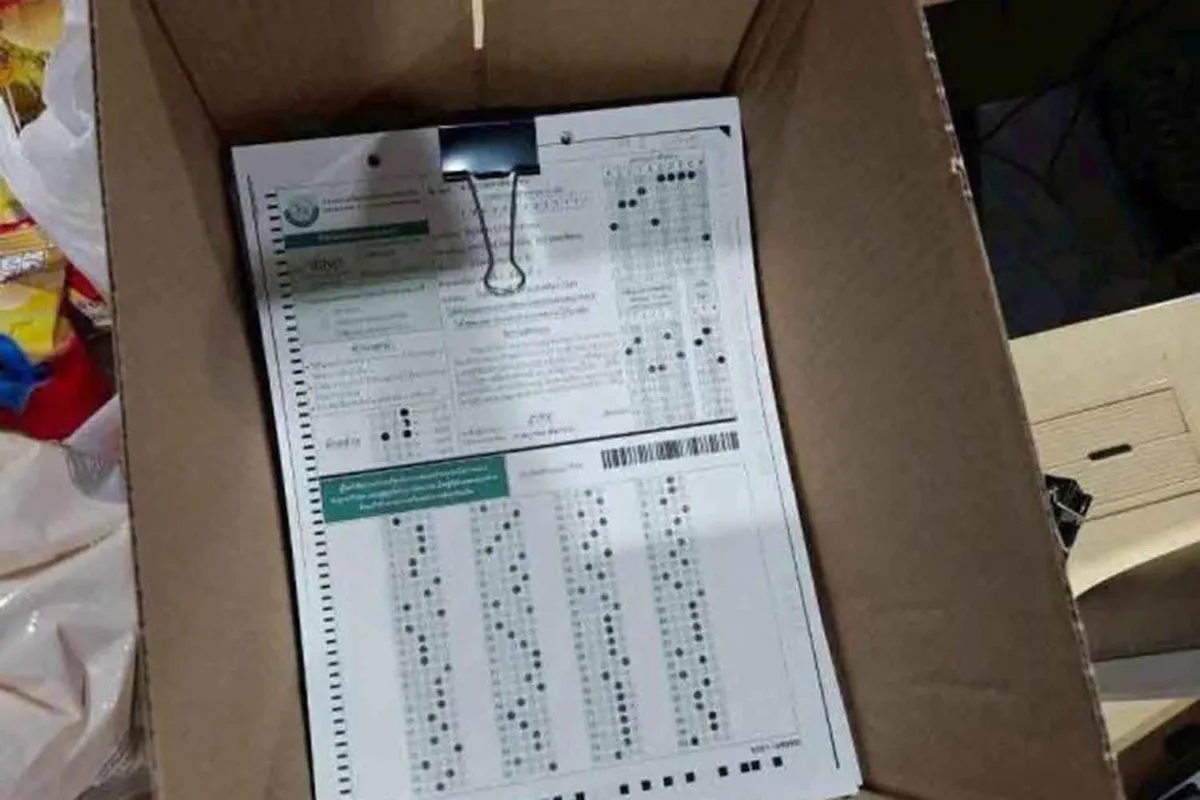
An extensive investigation into alleged irregularities surrounding a recent local examination has expanded, with over 100 individuals now reportedly linked to the fraudulent activities. The probe, spearheaded by Deputy Prime Minister Pakorn Nilprapunt, is meticulously dissecting the entire recruitment process, from the initial determination of vacant positions to the final appointments. The inquiry aims to uncover systemic weaknesses and identify all parties involved in compromising the integrity of the examination and subsequent hiring.
Investigation Focuses on Four Key Areas
The Deputy Prime Minister outlined that the investigation has been structured into four critical domains to ensure a thorough examination of the alleged exam fraud. Each area addresses a distinct phase of the recruitment process, aiming to pinpoint where and how procedural standards were potentially violated.
1. Determination of Vacant Positions
The first area of focus scrutinizes the methodology used to establish the number of available positions. Investigators are examining why the final figure for vacant posts expanded significantly beyond the initially requested amount. This line of inquiry seeks to understand if the increase was justified or if it represented an attempt to create opportunities for illicit appointments.
2. Pre-Test Procedural Irregularities
The second segment of the investigation delves into weaknesses identified in the procedures preceding the examination itself. Evidence has emerged of irregularities concerning procurement processes, the definition of terms of reference (ToR), contract management, and overall administration. Deputy Prime Minister Pakorn noted that many of these observed procedures deviated substantially from the established standards typically followed by the Office of the Civil Service Commission (OCSC), suggesting a potential departure from normal protocols.
3. Compliance with Document and Examination Standards
The third area reviews the adherence to standards set by the Ministry of Higher Education, Science, Research and Innovation. This involves assessing whether the management of documents related to the examination and the examination procedures themselves complied with the regulations and guidelines stipulated by the ministry. Ensuring that official standards were met is crucial for validating the legitimacy of the examination process.
4. Legality of Appointment Increases
The final and fourth area of investigation addresses the expansion of appointments. The probe is examining how the number of approved positions grew from an initial figure of approximately 8,000 to around 10,000. A key objective here is to determine the legality and justification behind this significant increase, ensuring that no rules were bent or broken to accommodate additional hires outside the original scope.
Timeline and Reporting
The committee is working diligently, including through the weekend, to finalize its comprehensive report. The findings are slated for submission to the prime minister on August 4. The report is expected to meticulously detail all individuals implicated at each stage of the process. This includes identifying those who authorized decisions and individuals who participated in the process without formal authorization, painting a clear picture of the network involved in the alleged fraud.
Deputy Prime Minister Pakorn emphasized that the forthcoming report is intended to serve as a foundational document. Its primary purpose is not to assign guilt or formally identify bribery suspects at this stage. Instead, it will lay the groundwork for subsequent, more detailed investigations and inform future improvements to the recruitment and examination systems to prevent similar incidents.
Further Technical Examinations and Legal Action
In parallel with the committee’s work, the Central Investigation Bureau (CIB) is actively pursuing its own lines of inquiry. Police Lieutenant General Natthasak Chaowanasai, the CIB commissioner, confirmed that the bureau has formally requested additional documentation and testimony from Srinakharinwirot University. Concurrently, the CIB is conducting further technical examinations to gather more evidence.
Investigators anticipate making a decision by Monday regarding whether to initiate legal action against additional suspects. Currently, three individuals are already under investigation. Should the CIB’s findings not warrant further criminal proceedings at this juncture, the case and its findings will be forwarded to the National Anti-Corruption Commission (NACC) for their review and subsequent actions. This multi-pronged approach ensures that all aspects of the alleged exam fraud are addressed rigorously, from procedural compliance to potential criminal culpability.
Conclusion
The ongoing investigation into the local exam irregularities highlights a significant effort to restore public trust in the recruitment process. By systematically examining each phase and involving multiple investigative bodies, authorities aim to ensure accountability and implement robust measures to safeguard the integrity of future examinations and appointments. The comprehensive report and potential legal actions underscore the seriousness with which these allegations are being treated.
