

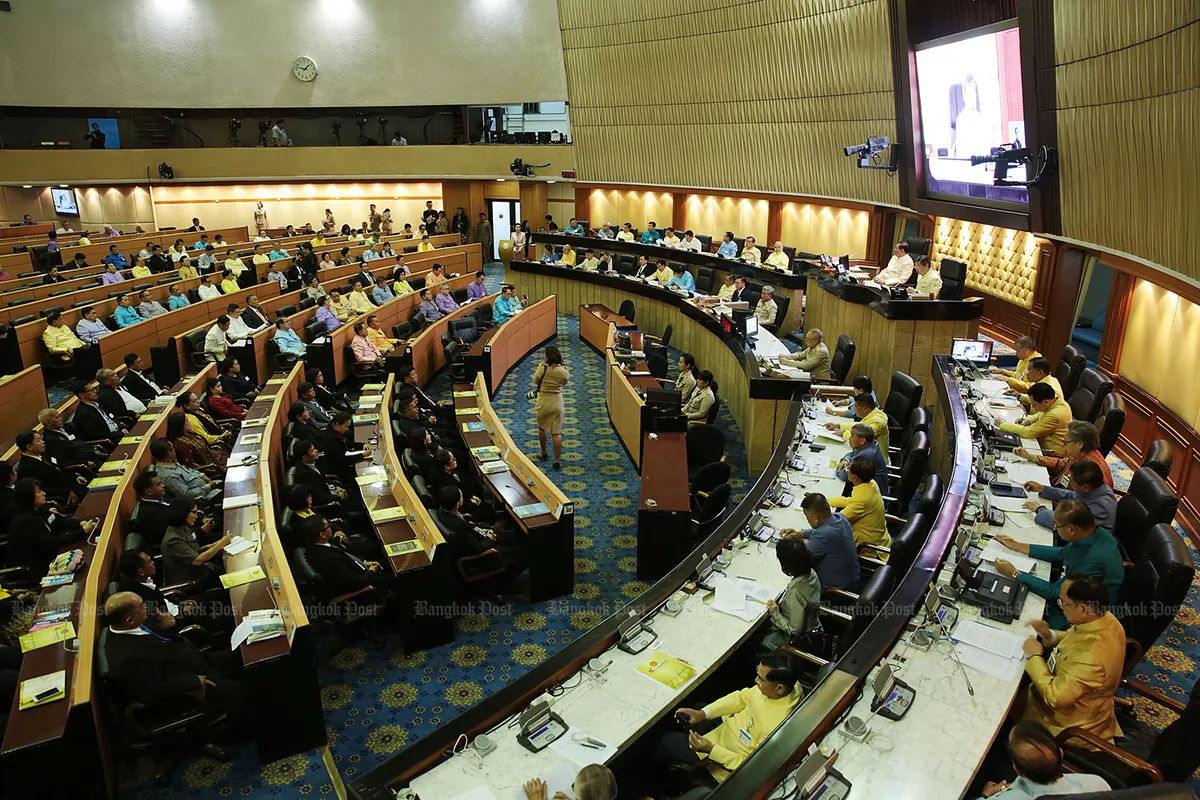
The House of Representatives has given its approval to an emergency decree that empowers the Finance Ministry to secure loans totaling up to 400 billion baht. This significant financial measure is designed to mitigate the severe impacts of the ongoing energy crisis and to bolster the nation’s transition towards more sustainable energy sources.
Addressing the Energy Crisis and Transition
The approved decree represents a critical step for the Thai government in its efforts to stabilize the economy amidst volatile global energy markets. The funds are earmarked for a dual purpose: immediate relief from the current energy crisis and long-term investment in energy transition initiatives. This includes potentially subsidizing energy costs for consumers and businesses, ensuring energy security, and accelerating the adoption of renewable energy technologies.
Officials have emphasized that the borrowing is a necessary measure to safeguard economic stability and public welfare. The energy crisis, exacerbated by geopolitical events and supply chain disruptions, has led to escalating fuel prices, impacting household budgets and business operational costs across the country. The government aims to use these funds to cushion these blows and prevent a more widespread economic downturn.
Government Rationale and Expected Outcomes
Prime Minister Srettha Thavisin has publicly stated his conviction that the benefits derived from this borrowing will ultimately surpass the associated costs. He highlighted that the loan facility is not merely an expenditure but a strategic investment in the nation’s future energy security and economic resilience. The government’s strategy involves a multi-pronged approach:
- Stabilizing Energy Prices: Utilizing a portion of the funds to subsidize electricity and fuel costs, providing immediate relief to citizens and industries.
- Investing in Renewable Energy: Allocating resources to accelerate the development and deployment of solar, wind, and other renewable energy sources. This includes incentives for private sector investment and infrastructure development.
- Enhancing Energy Efficiency: Promoting measures and technologies that reduce overall energy consumption across various sectors.
- Diversifying Energy Sources: Reducing reliance on imported fossil fuels by exploring and investing in a broader range of domestic and international energy supplies.
The government anticipates that these measures will not only alleviate the immediate pressures of the energy crisis but also position Thailand more favorably in the global shift towards a low-carbon economy. The energy transition is seen as a crucial pathway to long-term economic competitiveness and environmental sustainability.
Legislative Process and Scrutiny
The approval by the House of Representatives signifies a broad consensus on the necessity of the measure, although detailed discussions regarding the allocation and management of the funds are expected to continue. The emergency decree allows the Finance Ministry the flexibility to borrow from various sources, including domestic and international financial institutions, and to issue government bonds. Strict oversight mechanisms are expected to be put in place to ensure transparency and accountability in the utilization of these borrowed funds.
Lawmakers engaged in debates concerning the potential long-term debt implications and the specific mechanisms for managing the loan portfolio. The government has assured the public and parliamentary members that robust financial management practices will be employed, and that the borrowing will be conducted in a manner that minimizes fiscal risk. The focus remains on ensuring that the funds are deployed effectively to achieve the stated objectives of energy security and economic stability.
Broader Economic Context
This move comes at a time when many economies worldwide are grappling with similar energy challenges and inflationary pressures. Thailand’s proactive approach, through this substantial loan authorization, aims to demonstrate a commitment to weathering the storm and emerging stronger. The success of this financial strategy will depend on effective implementation, prudent fiscal management, and the government’s ability to navigate the complexities of both the immediate energy crisis and the long-term energy transition.
The 400 billion baht loan is a significant financial undertaking, reflecting the scale of the challenges faced. The government’s commitment to transparency and its focus on strategic investment are key elements that will be closely watched as the nation moves forward to address its energy needs and secure a sustainable future.
