

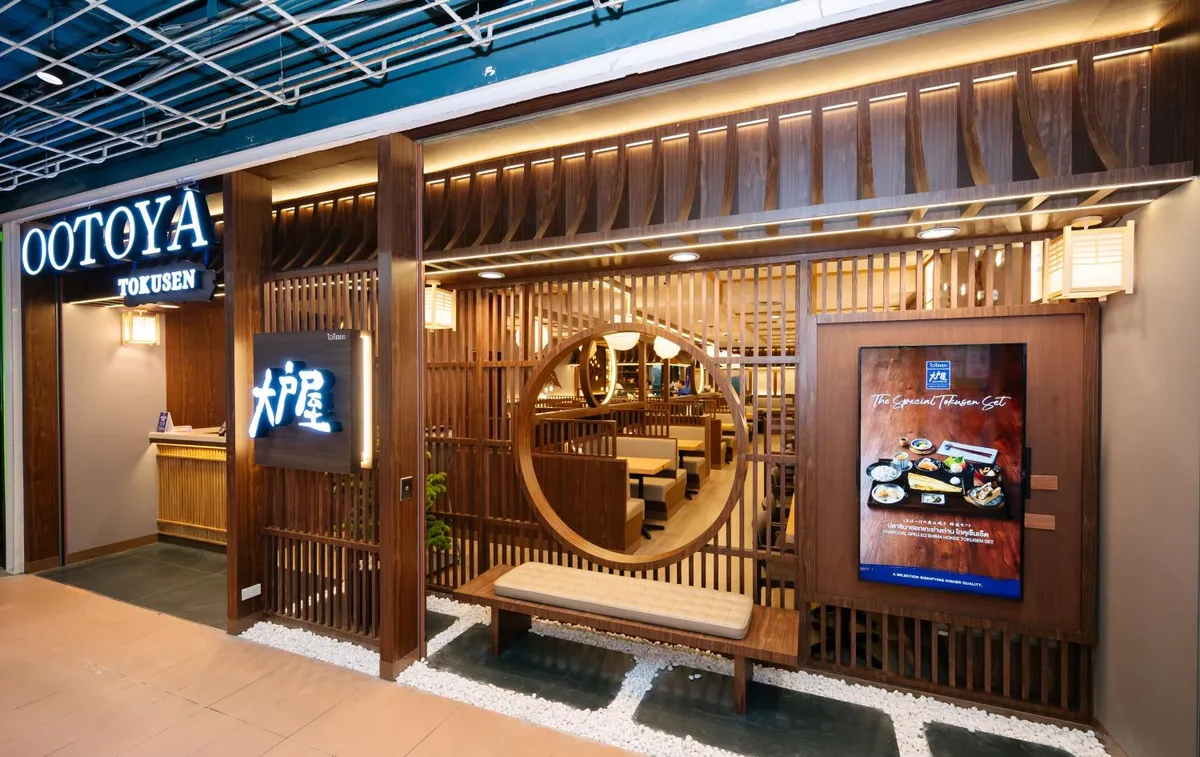
Thai restaurants and beverage businesses are bracing for continued cost pressures while looking to government initiatives and seasonal shifts to bolster sales. Despite challenges, the sector anticipates revenue of 673 billion baht for the current year, according to an analysis by Kasikorn Research Center in May. The industry’s appeal, marked by low barriers to entry, continues to draw new participants, suggesting ongoing market expansion opportunities.
Government Co-Payment Scheme Offers Targeted Support
Nath Vongphanich, chief executive of CRG, expressed optimism that the government’s “Thai Chuay Thai Plus” co-payment scheme will provide a significant boost to smaller restaurateurs in the latter half of the year. This initiative, running from June to September, is designed to enhance consumer purchasing power and is strategically timed to support the industry during its traditional off-peak season. Mr. Nath highlighted that the scheme should provide a welcome injection of demand when it is most needed.
While the co-payment scheme is expected to benefit many, larger restaurant operators who do not qualify for the program might face increased competition. Mr. Nath pointed out that diners may gravitate towards establishments participating in the scheme, potentially impacting sales for those excluded.
Seasonal Trends and Foreign Arrivals to Drive Growth
Beyond domestic support schemes, the Thai restaurant industry is also anticipating a positive impact from the anticipated rise in foreign tourist arrivals starting in October. As the country transitions into its peak tourism season, increased visitor numbers are expected to translate into higher dining and beverage consumption. This influx of international visitors typically provides a substantial lift to the hospitality sector.
Managing Costs Amidst Global Disruptions
The operational landscape for eateries remains challenging due to escalating costs. The ongoing conflict in the Middle East has had a ripple effect, driving up expenses for logistics and raw materials. Specifically, packaging costs have seen a notable increase, reportedly rising by 10-15% compared to pre-conflict levels. This inflationary pressure necessitates a strong focus on cost management for all businesses within the sector.
Strategies for Survival and Expansion
In response to the competitive business environment and rising costs, industry leaders are advising operators to remain proactive. Mr. Nath emphasized the importance of continuous innovation, suggesting that introducing new products and launching strategic promotions can help maintain customer engagement and drive sales. He also underscored the critical need for rigorous management of the cost of goods sold (COGS) to protect profit margins.
CRG, for instance, is proceeding with its expansion plans, albeit with caution. The company announced earlier this year its intention to open between 140 and 160 new stores in 2026. To date, CRG has already launched over 110 new outlets within the current year, demonstrating a commitment to growth despite the prevailing economic headwinds.
Market Segments and Future Outlook
While the overall outlook for the restaurant sector remains one of cautious optimism, certain segments may experience varying growth trajectories. Mr. Nath observed that the popular moo krata (Thai barbecue grill) segment, in particular, might be entering a phase of slower growth. This suggests that operators within specific niches may need to adapt their strategies more significantly to maintain momentum.
The combination of government support, seasonal tourism peaks, and proactive business strategies will be crucial for Thai restaurants as they navigate the complexities of rising operational costs and evolving consumer behavior in the coming months. The industry’s resilience, characterized by its ability to attract new entrants and adapt to changing market dynamics, points towards continued, albeit carefully managed, expansion.
