

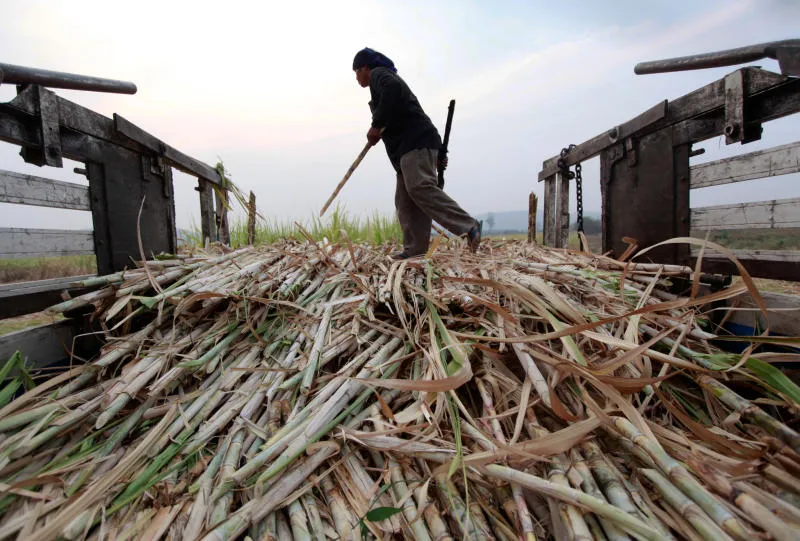
Thailand’s sugar production is projected to experience a substantial decline of up to 12.5% in the upcoming season, a consequence of persistent drought conditions, escalating input costs for farmers, and a strategic shift towards cultivating more profitable crops like cassava. This forecast signals a challenging period for the nation’s sugar industry, impacting both domestic supply and international market dynamics.
Projected Decline in Sugarcane Output
According to Thawat Hamarn, director of strategy and planning at the Office of the Cane and Sugar Board, the total sugarcane output is anticipated to decrease by approximately 9.5%. This would bring the total harvest to around 95 million tonnes, a notable reduction from the 105 million tonnes produced in the preceding season. This projection specifically pertains to the 2026/27 harvest, which typically spans from December to April.
The factors contributing to this anticipated drop are multifaceted. Farmers have been grappling with significantly higher costs for essential agricultural inputs, particularly fertilizers. Compounding this issue, the prevailing cane prices have not been sufficiently attractive to incentivize continued or expanded cultivation. This economic pressure has led a portion of the farming community to explore alternative crops that offer a better return on investment.
Farmer Perspectives and Crop Diversification
Naradhip Anantasuk, manager of the Thai Sugarcane Planters Federation, elaborated on the financial pressures faced by growers. He highlighted that the increased cost of fertilizers, coupled with unappealing cane prices, has been a primary driver for farmers to pivot towards crops such as cassava. Cassava often presents a more predictable and potentially higher profit margin, making it an attractive alternative in the current agricultural climate.
Mr. Anantasuk also noted the broader market context, explaining that global sugar prices have seen an upward trend. This increase is partly attributed to the anticipation of reduced production not only in Thailand but also in other major sugar-producing nations like India and Brazil, which are also contending with drought-related challenges. However, he stressed that current global sugar prices, hovering around 18 to 19 cents per pound, are still insufficient to adequately cover the production costs for many Thai farmers. He indicated that prices would need to reach approximately 21 to 22 cents per pound to make cultivation economically viable for them.
Regional Impact and Contributing Factors
The impact of these challenges is not uniform across the country, with some regions experiencing more pronounced effects. In Khon Kaen province, for instance, a local official reported a drastic potential fall in cane production. The output in this specific area could plummet to 1.8 million tonnes, a stark contrast to the 5.86 million tonnes harvested in the previous season. This significant regional downturn underscores the severity of the issues affecting sugarcane cultivation.
Chairat Kittivarapol, an official with a sugarcane growers’ association in Khon Kaen, further detailed the contributing factors at play in the province. He cited inconsistent rainfall patterns, the substantial debt burdens carried by many farmers, and the prevalence of disease outbreaks among sugarcane crops as critical elements leading to the projected decrease in cane production. These interconnected issues create a challenging environment for farmers, making it difficult to maintain or increase their yields.
Broader Implications for the Sugar Market
The anticipated reduction in Thai sugar output has broader implications for the global sugar market. As Thailand is a significant player in sugar exports, a decline in its production could affect international supply levels and contribute to price volatility. The confluence of adverse weather conditions, rising operational costs, and shifts in crop preference among farmers presents a complex scenario that the industry will need to navigate in the coming seasons. The situation highlights the vulnerability of agricultural sectors to climate change and economic pressures, necessitating adaptive strategies for long-term sustainability.
Looking Ahead
The coming months will be crucial for assessing the full extent of the impact on Thailand’s sugar industry. The Office of the Cane and Sugar Board and agricultural federations will likely monitor weather patterns, input costs, and farmer sentiment closely. Strategies to mitigate the effects of drought, support farmers in managing costs, and potentially encourage continued sugarcane cultivation, even amidst challenges, will be vital for the sector’s resilience and future prospects. The industry’s ability to adapt to these evolving conditions will determine its stability and competitiveness in the global arena.
