

Deputy Prime Minister Ekniti emphasizes the urgent need for a loan decree to protect households and small businesses from escalating energy costs and inflation.
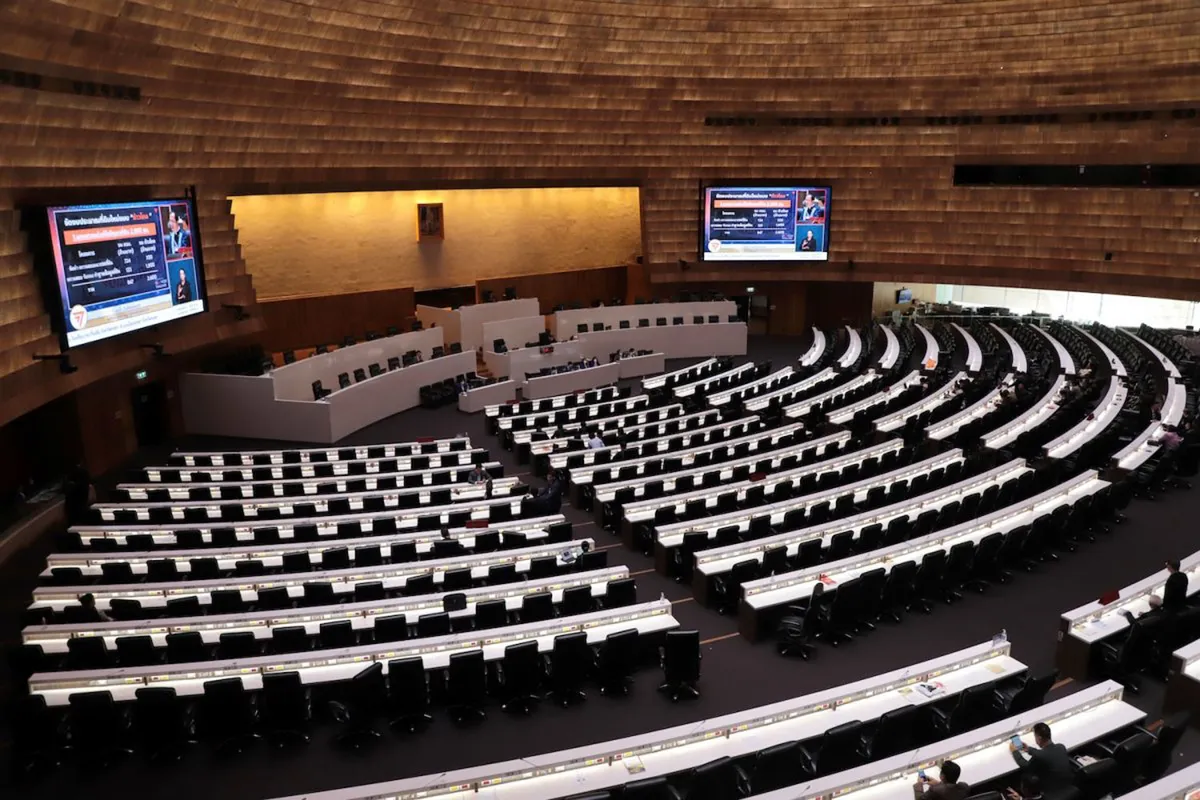
The decree’s parliamentary debate, originally scheduled for Thursday, faces suspension following an opposition petition to the Constitutional Court for a legality review.
Economic Challenges Ahead
Following the postponement, Ekniti highlighted Thailand’s unique livelihoods and cost-of-living crisis, distinct from past events like the 1997 Asian financial crisis or 2008 subprime meltdown. “This is a livelihoods and cost-of-living crisis that has come in waves,” he stated.
Global conflicts drive surging energy prices, inflating production costs and pushing inflation to 2.9%, with potential increases next month. Without swift action, small businesses risk collapse, triggering job losses and economic contraction.
Government’s Loan Strategy
The loan targets immediate relief and long-term energy transitions. Thailand’s dependence on imported energy fuels the crisis, and Ekniti advocates investments in renewables to lower household and transport expenses.
Key initiatives include subsidies for rooftop solar panels and incentives for transport firms adopting B20 biodiesel. “People say the energy transition is not urgent, but long-acting medicine must be taken early,” Ekniti noted. “We cannot wait for the 2027 budget because people may not survive the pressure before then.”
He dismissed fuel excise tax reductions, citing 180 billion baht losses during the Russia-Ukraine conflict that mainly aided affluent drivers. Aid will prioritize vulnerable groups and small enterprises instead.
The “Thais Help Thais Plus” program heads to cabinet on May 19 as an initial step.
Legal and Political Hurdles
Constitutional scholar Komsarn Pokong indicates the government can proceed with borrowing during the court’s 60-day review, as the constitution mandates only suspending parliamentary deliberation.
Opposition leaders push back. People’s Party chief Natthaphong Ruengpanyawut demands a special committee for oversight and transparency in spending. Thai Pakdee Party’s Warong Dechgitvigrom questions if energy transition allocations truly serve the public or favor corporations.
