

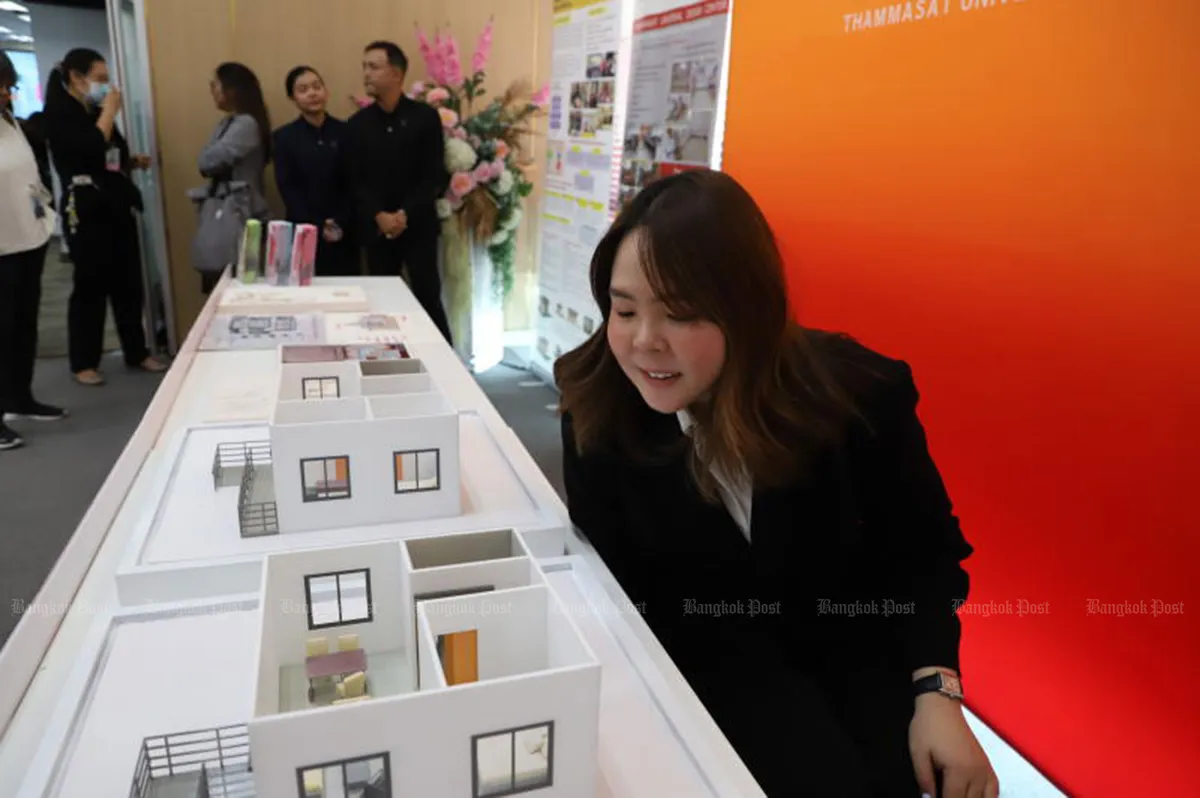
The urgent need to integrate universal design principles into everyday infrastructure and services is being highlighted by organizers of an upcoming expo. This push for accessibility is driven by Thailand’s rapidly aging population and increasing societal diversity, underscoring that equal access is not a niche concern but a critical component of national development.
The Imperative for Universal Design
Pinya Jamroonsart, deputy director-general of the Department of Empowerment of Persons with Disabilities, stated that the current demographic landscape in Thailand necessitates a fundamental shift in how spaces and services are conceived. With approximately 14.16 million people aged 60 and above and 2.25 million registered individuals with disabilities, the challenges of unequal access are significant. Globally, the World Health Organization estimates that around 1.3 billion people, or 16% of the world’s population, live with some form of disability. Ms. Jamroonsart emphasized that these figures demonstrate that ensuring equitable access to infrastructure is not merely an issue for specific groups but a foundational challenge for the progress of any nation.
She advocated for universal design to be recognized as a core principle guiding the creation of homes, transportation networks, public roads, pedestrian walkways, buildings, products, and services. This approach should move beyond being a mere regulatory hurdle to becoming an integrated aspect of all design processes. Universal design, in essence, aims to create environments and products that are usable by all people, to the greatest extent possible, without the need for adaptation or specialized design.
User-Centric and Systemic Approaches
Supachip Dithet, chairman of the Thais with Disabilities Foundation (TDF), stressed the importance of a user-centered methodology for achieving sustainable universal design. He explained that effective accessibility solutions must begin with actively listening to the needs and experiences of the people who will use these spaces and services. Furthermore, he highlighted that accessibility should be viewed not in isolation but as an interconnected system. When design successfully provides equal access for everyone, it plays a crucial role in dismantling barriers that hinder individuals’ opportunities in education, employment, and travel. Beyond individual empowerment, such inclusive design can also foster new economic prospects and open up untapped markets for businesses.
Translating Research into Practice
Associate Professor Chumkhet Sawaengcharoen, who leads the Centre for Universal Design and Environment at Thammasat University, pointed to the vital role of research in driving practical change. He stated that academic findings and research must be effectively translated into tangible standards, comprehensive design guidelines, and actionable policy recommendations. These outputs are essential for adoption by both public sector agencies and private businesses. By bridging the gap between research and implementation, the principles of universal design can be more readily integrated into the built environment and service delivery across the country.
The Upcoming Universal Design Expo
To further promote these crucial concepts, the UD Expo for Persons with Disabilities and Better Living for All is scheduled to take place on July 24 and 25. The event will be hosted at Halls 9-10 of the Impact Exhibition and Convention Centre in Muang Thong Thani. This significant gathering is expected to feature over 50 booths, showcasing the work of approximately 80 organizations dedicated to disability inclusion and universal design. Complementing the exhibition, more than 25 panel discussions will offer in-depth insights and foster dialogue on critical issues related to accessibility and inclusive living.
Broader Implications of Inclusive Design
The principles of universal design extend far beyond simply accommodating individuals with disabilities. They encompass creating environments that are inherently more usable and comfortable for everyone, regardless of age, size, ability, or situation. This includes considerations for parents with strollers, older adults who may have mobility challenges, individuals with temporary injuries, and even people carrying heavy loads. By designing for the widest possible range of users from the outset, we can create more efficient, safer, and more equitable public spaces and products.
The economic benefits of universal design are also substantial. Businesses that adopt inclusive design practices can broaden their customer base, enhance brand reputation, and reduce the need for costly retrofits later on. Furthermore, creating accessible transportation and public facilities can boost tourism and encourage greater participation in community life, leading to a more vibrant and inclusive society.
The Path Forward
The upcoming expo serves as a critical platform for raising awareness, sharing best practices, and fostering collaboration among stakeholders. By bringing together government agencies, academic institutions, non-profit organizations, and the private sector, the event aims to accelerate the adoption of universal design principles. The success of this initiative hinges on a collective commitment to viewing accessibility not as an afterthought or a burden, but as an essential investment in a more equitable and prosperous future for all.
The Department of Empowerment of Persons with Disabilities, in collaboration with the Thais with Disabilities Foundation and Thammasat University, is spearheading this effort. Their partnership underscores a unified vision for a society where infrastructure and services are designed with the needs of every individual in mind, ensuring that no one is left behind.
