

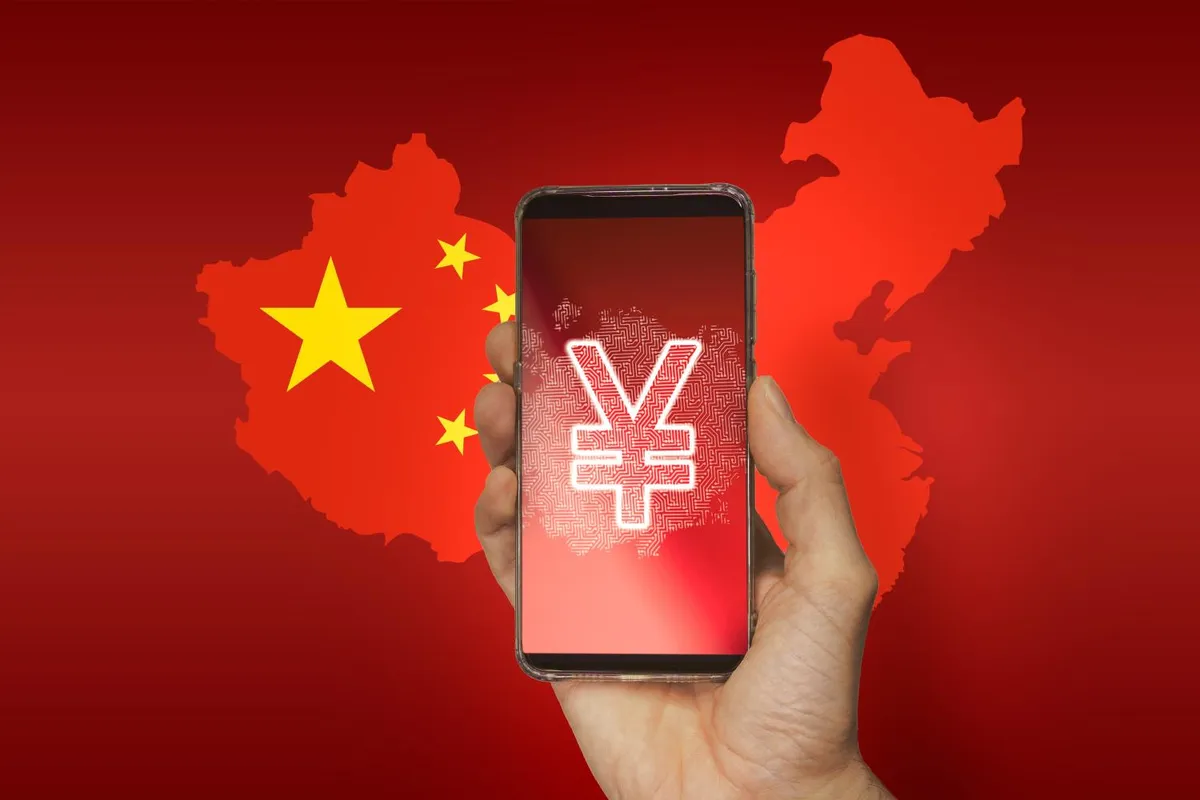
Conducting international trade transactions directly in Chinese yuan, alongside local currencies like the Thai baht, can significantly cut costs and streamline commerce, according to economic analysis. This shift away from reliance on major global reserve currencies like the U.S. dollar for bilateral trade is part of a broader strategy by China to enhance the yuan’s international role and reduce transaction friction for its trading partners.
The Economic Rationale Behind Yuan Settlements
Economists highlight several key benefits stemming from the direct settlement of trade in yuan. Primarily, it eliminates the need for currency conversions through a third-party currency, typically the U.S. dollar. Each conversion involves fees, exchange rate risks, and potential delays. By settling directly in yuan and the partner country’s currency (e.g., yuan-baht), businesses can avoid these intermediary costs, leading to more predictable and lower overall transaction expenses.
This reduction in costs is particularly impactful for small and medium-sized enterprises (SMEs) that may have tighter margins and less capacity to absorb currency-related expenses or manage complex hedging strategies. For countries heavily involved in trade with China, such as Thailand, the ability to settle in either yuan or baht offers greater flexibility and can foster deeper economic ties.
Reducing Exchange Rate Volatility and Risk
Beyond direct fees, using yuan for settlement can mitigate exposure to the volatility of other major currencies. Fluctuations in the U.S. dollar, for instance, can impact the cost of imports and the revenue from exports for countries trading with China. Direct yuan settlements can provide a more stable pricing mechanism, especially for goods and services traded predominantly with China. This stability is crucial for long-term trade planning and investment decisions.
China’s Strategic Push for Yuan Internationalization
The increasing use of the yuan in international trade is not merely a market-driven phenomenon but also a deliberate strategy by China to promote its currency on the global stage. For years, China has sought to increase the yuan’s acceptance as a currency for trade, investment, and as a reserve asset. Facilitating direct bilateral settlements is a cornerstone of this strategy.
By encouraging its trading partners to use the yuan, China aims to:
- Increase Demand for Yuan: More trade settled in yuan means a greater global demand for the currency, bolstering its international standing.
- Reduce Reliance on the U.S. Dollar: A broader international use of the yuan can lessen the global dominance of the U.S. dollar, offering China greater financial autonomy and reducing its vulnerability to U.S. monetary policy.
- Deepen Financial Integration: Promoting yuan usage encourages the development of offshore yuan markets and financial infrastructure, facilitating easier cross-border capital flows.
- Enhance Trade Competitiveness: Lowering trade costs for partners indirectly makes Chinese goods and services more competitive, boosting export volumes.
Impact on Regional Trade Dynamics
The implications for regional trade, particularly within Asia, are substantial. Countries like Thailand, Vietnam, and Malaysia have seen increasing volumes of trade settled in yuan. The development of yuan-clearing mechanisms in major financial centers outside mainland China further supports this trend, making it more convenient for businesses to handle yuan transactions.
For Thailand, a significant trading partner with China, the ability to settle in baht and yuan offers a dual advantage. It can reduce the cost of imports from China and potentially make Thai exports more attractive to Chinese buyers if priced in yuan. This bilateral settlement mechanism can strengthen economic linkages and reduce the country’s exposure to U.S. dollar fluctuations in its trade with Asia’s largest economy.
Challenges and Future Outlook
Despite the clear benefits, the widespread adoption of yuan settlements faces hurdles. Capital controls in China, while gradually easing, still present complexities for full convertibility. Furthermore, the yuan’s status as a freely convertible currency and a global reserve asset is still developing compared to established currencies like the U.S. dollar or the Euro.
However, the trend towards increased yuan usage in trade is expected to continue, driven by China’s economic influence and its strategic push. As more businesses experience the cost savings and efficiencies, and as financial infrastructure supporting yuan transactions matures, its role in international trade is likely to expand further, reshaping regional and global trade finance.
Conclusion: A More Efficient Trade Landscape
In summary, the direct settlement of trade in yuan, alongside local currencies, presents a compelling case for reducing international transaction costs. This practice not only benefits businesses by cutting fees and mitigating exchange rate risks but also serves China’s strategic objective of internationalizing its currency. As these bilateral settlement mechanisms become more ingrained, they promise a more efficient, cost-effective, and potentially more stable landscape for global trade, particularly within the dynamic Asian economic region.
