

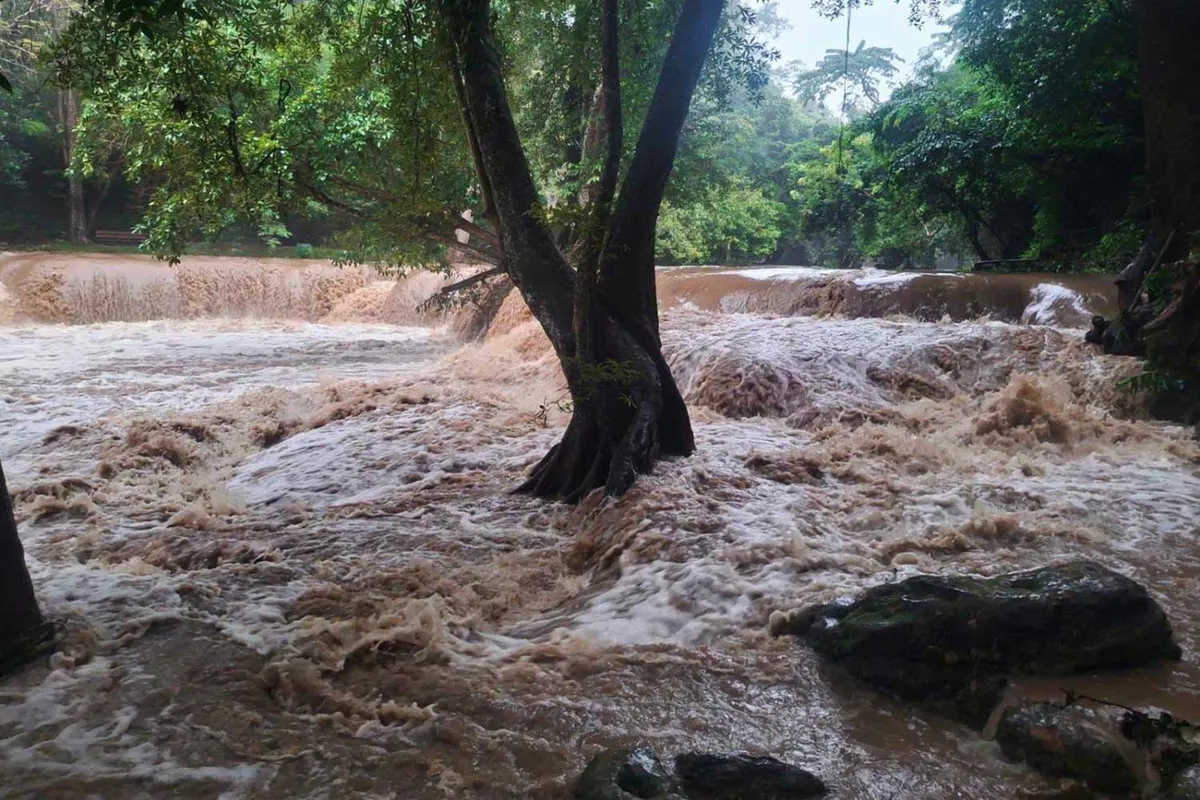
Authorities have issued a stark warning regarding anticipated heavy to very heavy rainfall across upper Thailand, extending through the following day. This forecast significantly elevates the risk of flash floods and widespread forest runoff in the affected regions. As a direct consequence of the intense precipitation, 22 reservoirs have now reached their overflow capacity, prompting concerns about water management and potential downstream impacts.
Understanding the Current Rainfall Situation
The Meteorological Department has been closely monitoring a potent weather system that is currently dominating the atmospheric conditions over northern and northeastern Thailand. This system is characterized by its intensity and the sheer volume of water it is expected to deliver. Residents in areas prone to flooding, particularly those situated in valleys or near steep slopes, are being urged to remain vigilant and prepared for rapid changes in water levels. The forecast indicates that rainfall could reach “very heavy” levels in some localized areas, which typically signifies accumulations exceeding 90 millimeters within a 24-hour period.
Reservoir Overflow: A Sign of Intense Precipitation
The overflow of 22 reservoirs serves as a critical indicator of the significant rainfall accumulation. These reservoirs, designed to store and manage water resources, have been filled beyond their operational capacity. This situation necessitates careful management of water releases to prevent structural damage to the dams and to mitigate the risk of uncontrolled flooding downstream. The overflow means that the natural inflow of water is exceeding the reservoirs’ storage capability, and excess water is being discharged, either through spillways or controlled gate operations.
Why Reservoir Management is Crucial
Effective reservoir management is paramount during periods of heavy rainfall. The primary objectives include:
- Flood Control: Releasing water in a controlled manner helps to reduce the immediate pressure on the reservoir and prevent catastrophic dam failure.
- Water Supply: While managing flood risk, authorities also aim to retain as much water as possible for future use, especially during dry seasons.
- Downstream Ecosystems: Sudden, large releases of water can disrupt riverine ecosystems and impact communities that rely on the river for water and livelihoods.
Potential Impacts of Heavy Rains and Overflow
The combination of heavy rainfall and overflowing reservoirs presents several potential challenges:
- Flash Floods: Rapidly rising water levels in rivers and streams can lead to sudden and dangerous flash floods, particularly in mountainous or urban areas with poor drainage.
- Forest Runoff: Saturated soil in forested areas can lead to increased surface runoff, carrying sediment and debris into waterways, potentially causing blockages and further exacerbating flood conditions.
- Landslides: In hilly or mountainous regions, the increased soil moisture from prolonged heavy rain can destabilize slopes, increasing the risk of landslides.
- Infrastructure Damage: Floodwaters can damage roads, bridges, homes, and agricultural land, leading to significant economic losses and displacement of communities.
Official Response and Recommendations
Government agencies and disaster management authorities are actively monitoring the situation. They are coordinating efforts to manage the water releases from the affected reservoirs and to provide timely warnings to communities at risk. Residents in flood-prone areas are strongly advised to:
- Stay Informed: Monitor official weather updates and flood warnings from local authorities.
- Prepare Emergency Kits: Have essential supplies ready, including food, water, first-aid, and important documents.
- Secure Property: Take measures to protect homes and belongings from potential flood damage.
- Evacuate if Advised: Heed evacuation orders from authorities promptly and move to designated safe areas.
The adjustment of water release plans from these overflowing reservoirs is a critical consideration for authorities. Balancing the immediate need to alleviate pressure on the dams with the long-term requirements for water storage and the potential impact on downstream communities requires careful planning and execution. Experts suggest that proactive adjustments, based on real-time rainfall data and hydrological models, are essential to navigate this challenging weather event effectively.
Looking Ahead
The forecast suggests that the heavy rainfall may persist for another day, underscoring the ongoing need for caution and preparedness. As the weather system eventually moves on, the focus will shift to assessing the extent of the damage and initiating recovery efforts. The situation highlights the vulnerability of regions to extreme weather events and the importance of robust infrastructure and effective disaster management strategies.
