

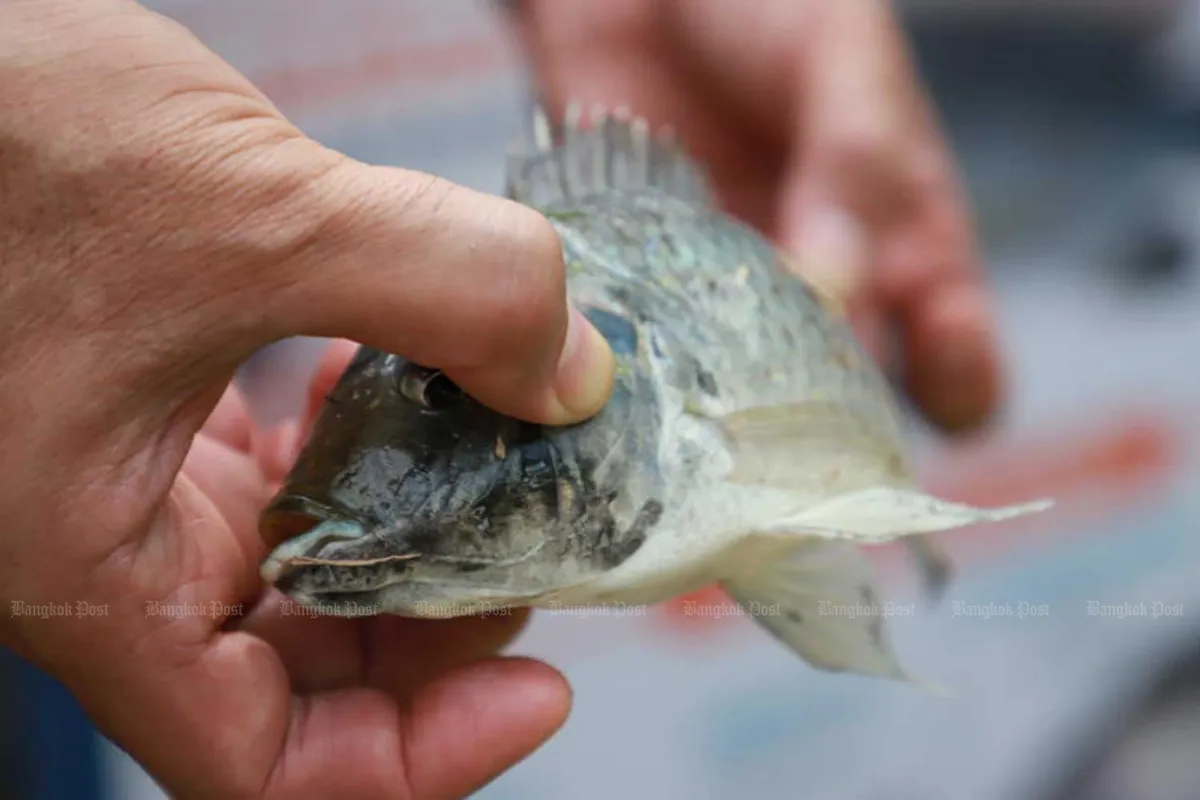
The Thai government has allocated 350 million baht from its central budget to implement measures against the proliferation of blackchin tilapia, an invasive fish species. This significant funding aims to curb the spread of this non-native fish, which has raised alarms due to its potential impact on native ecosystems and freshwater resources, particularly in the northeastern regions of the country.
Understanding the Blackchin Tilapia Threat
The blackchin tilapia (Sarotherodon melanotheron) is a species of cichlid fish native to Africa and the Middle East. It has become a significant invasive species in various parts of the world, including Southeast Asia. Its rapid reproduction rate, adaptability to diverse water conditions, and aggressive feeding habits allow it to outcompete native fish for food and habitat. This ecological imbalance can lead to a decline in native fish populations, affecting biodiversity and local fisheries.
Ecological Impacts
In freshwater ecosystems, blackchin tilapia can disrupt the food web. They consume algae, aquatic plants, and small invertebrates, altering the availability of these resources for native species. Their burrowing activities can also damage aquatic vegetation and affect water quality. The presence of a dominant invasive species like the blackchin tilapia can lead to a significant reduction in the variety of fish species found in affected areas, impacting the overall health and resilience of the ecosystem.
Economic Concerns for Local Fisheries
Beyond ecological damage, the spread of blackchin tilapia poses economic challenges for local fishing communities. Native fish species, which are often the target of commercial and subsistence fishing, can be displaced or outcompeted, leading to reduced catches and income for fishermen. The invasive tilapia, while edible, may not be as commercially valuable or culturally significant as the native species it replaces. This can disrupt established fishing practices and markets.
Government Intervention and Funding Allocation
The approval of 350 million baht signifies a serious commitment by the government to address the escalating problem of blackchin tilapia. This funding is intended to support a multi-faceted strategy involving various government agencies, research institutions, and local communities. The primary goal is to prevent further spread and, where possible, to manage and reduce existing populations.
Key Areas of Intervention
The allocated funds are expected to be channeled into several key areas:
- Monitoring and Surveillance: Establishing robust systems to track the movement and population density of blackchin tilapia across different water bodies.
- Control Measures: Implementing scientifically sound methods for controlling tilapia populations. This could include targeted fishing, the use of biological controls (if deemed safe and effective), or habitat management strategies.
- Research and Development: Investing in research to better understand the species’ behavior, reproductive patterns, and ecological impact in the Thai context. This will inform more effective control strategies.
- Public Awareness and Education: Launching campaigns to educate the public, particularly fishing communities and farmers, about the risks associated with invasive species and the importance of preventing their spread. This includes guidance on responsible aquaculture practices and preventing accidental releases.
- Community Engagement: Working closely with local communities to involve them in monitoring and control efforts, leveraging local knowledge and fostering a sense of shared responsibility.
Focus on the Northeast
The government’s particular concern about the spread into freshwater sources in the Northeast highlights the vulnerability of this region. Northeastern Thailand relies heavily on its rivers, reservoirs, and irrigation systems for agriculture, daily water supply, and fishing. An unchecked proliferation of blackchin tilapia in these vital water bodies could have severe consequences for food security and the livelihoods of millions.
Preventing Further Infiltration
Preventing the species from entering new, uninfested water bodies is a critical component of the strategy. This involves stricter controls on the movement of fish and aquatic products, as well as efforts to educate individuals involved in aquaculture and water management about biosecurity protocols. Early detection and rapid response are paramount to containing outbreaks.
Looking Ahead: A Long-Term Strategy
Combating invasive species is often a long-term endeavor requiring sustained effort and adaptive management. The 350 million baht represents a crucial initial investment to establish a comprehensive program. Success will depend on the effective implementation of the planned measures, ongoing scientific assessment, and the continued cooperation of all stakeholders, from government agencies to local communities. The goal is not only to control the current spread but also to build resilience against future introductions of invasive species, safeguarding Thailand’s valuable aquatic ecosystems and resources.
