

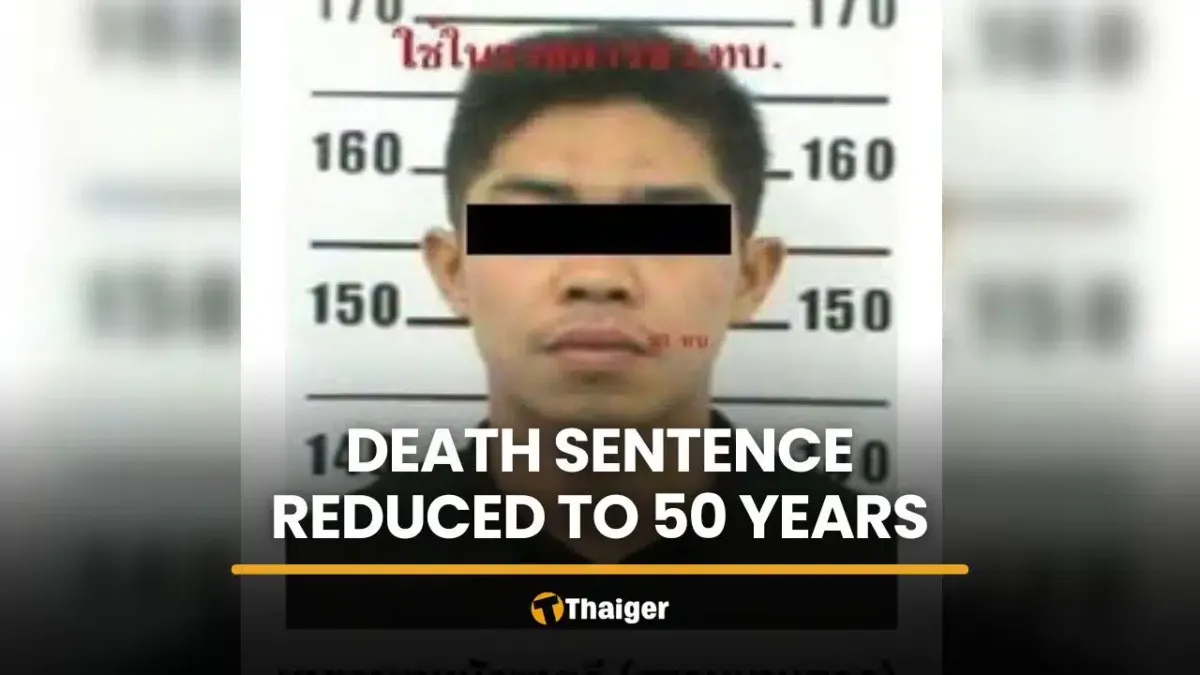
A man initially sentenced to death for his role in a 2016 motorcycle bombing in Narathiwat has had his punishment reduced to 50 years in prison after confessing to the charges. The ruling was delivered by the Narathiwat Provincial Court on September 21.
Details of the Narathiwat Bombing Case
The case, designated Black Case No. A.180/69, involved an explosive device concealed within a motorcycle and detonated at the entrance of Soi Lamai Uthit in Narathiwat municipality, Mueang Narathiwat district. The incident occurred on April 25, 2016.
The defendant, identified as Ahmadsayukee (surname withheld), faced a series of serious accusations. These included charges of terrorism, involvement in a criminal association, premeditated murder, and attempted murder. He was also charged with violating laws pertaining to firearms and explosives.
Court’s Initial Finding and Sentence
Following a review of the evidence presented by the prosecution, the court determined that the proof was sufficient to establish the defendant’s guilt on all charges. Consequently, the court initially imposed the death penalty.
Impact of Confession on Sentencing
However, the court took into consideration the defendant’s confession. This admission of guilt was deemed beneficial to the judicial process. As a result, the court decided to reduce the sentence by half on each count.
This reduction led to the final sentence of 50 years of imprisonment. The court also mandated that the defendant remain in detention while the case proceeds through the appeals process.
Legal Recourse and First-Instance Judgment
It is important to note that this ruling represents a first-instance judgment. The defendant retains the legal right to appeal the decision to a higher court.
Context: Previous Bombing Convictions
In a separate, high-profile case, the Bangkok South Criminal Court handed down death sentences in June to two Uyghur nationals for their involvement in the 2015 Erawan Shrine bombing. That devastating attack in Bangkok’s Ratchaprasong intersection resulted in 20 fatalities and injured 160 others.
The individuals, Adem Karadag and Yusufu Mieraili, were convicted of jointly committing premeditated murder. The court found no grounds for leniency in their sentencing.
Broader Security Situation in Narathiwat
The 2016 bombing in Narathiwat is part of a broader context of security challenges in Thailand’s southern border provinces. This region has experienced periods of insurgency and related violence.
Previous incidents in Narathiwat have included attacks targeting civilians and security forces, underscoring the ongoing security concerns in the area. These events have involved various methods, including bombings and armed assaults.
Past Incidents in Narathiwat
- Bombing Incidents: Narathiwat has been the site of numerous bombings, including car bombs and devices placed in public areas, sometimes resulting in injuries to civilians, including tourists.
- Attacks on Security Personnel: Checkpoints and police stations have been targeted, leading to casualties among volunteer rangers and police officers.
- Impact on Local Communities: Such incidents create a climate of fear and disruption for the local population, affecting daily life and economic activity.
Legal Proceedings and Sentencing Guidelines
Thai law, like that of many jurisdictions, allows for sentence reductions based on factors such as a defendant’s cooperation with authorities and their confession. Confessions can significantly streamline legal proceedings and are often viewed as a mitigating factor by the courts, potentially leading to reduced sentences, especially in cases where the death penalty is a possibility.
The principle of justice aims to balance punishment for crimes committed with considerations for the legal process and the defendant’s actions during that process. In this Narathiwat case, the confession appears to have played a crucial role in transforming a potential death sentence into a lengthy prison term.
Conclusion: The Path Forward
The Narathiwat Provincial Court’s decision to reduce the death sentence to 50 years reflects the legal framework that allows for such adjustments based on a defendant’s confession. While the initial sentence reflected the severity of the charges, the subsequent reduction acknowledges the defendant’s cooperation. The case now moves into the appellate phase, where the defendant has the opportunity to challenge the conviction or sentence further.
