

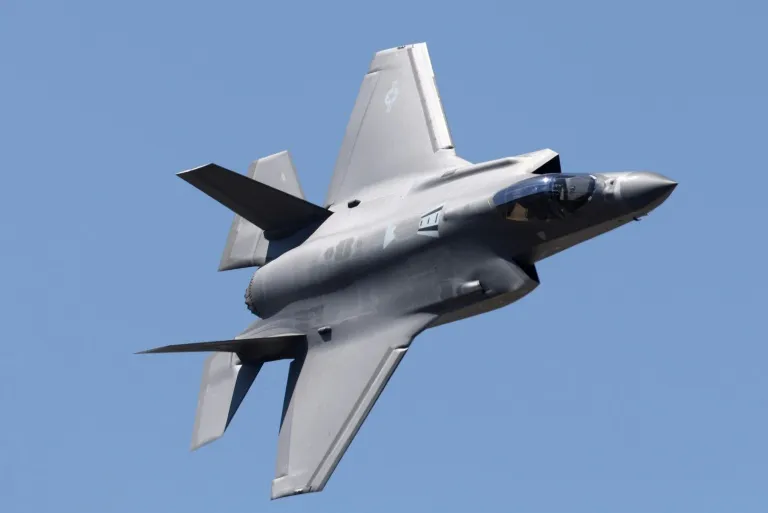
An incident involving a shipment of F-35 fighter jet parts, including a canopy, that was unexpectedly diverted to Hong Kong after leaving Australia has been addressed by Australian officials. Deputy Prime Minister and Minister for Defence, Richard Marles, confirmed the event on Tuesday, stating that the diverted components were not considered sensitive. The United States, which operates the vast majority of the F-35 fleet, is leading the investigation into the matter, working alongside prime contractor Lockheed Martin.
F-35 Program and International Cooperation
The F-35 Lightning II is the United States’ most expensive weapons system, with over 800 jets currently in operation. Its advanced capabilities are shared with numerous defense allies, including Australia, Canada, Denmark, Italy, the Netherlands, Norway, and Britain. Twelve additional countries have also procured the fighter jet, highlighting its global significance in modern air defense strategies. Australia itself possesses 72 F-35 aircraft.
These international partners participate in a global pool of spare parts, a system designed to ensure operational readiness across allied forces. Australia plays a key role in this network, hosting an Asia-Pacific regional hub for F-35 spare parts in Williamtown, near Newcastle, New South Wales. This facility is crucial for supporting F-35 operations in countries like Japan, Singapore, and South Korea, as well as for U.S. and British aircraft carriers operating in the region.
Details of the Diversion Incident
According to reports, a shipment of F-35 parts, which had departed from Australia, was rerouted to Hong Kong. The specific components included a canopy equipped with radar-resistant technology. The diversion raised concerns about the potential for China to gain access to sensitive aspects of the advanced weapons system. However, Minister Marles sought to allay these concerns, emphasizing that the parts in question were not classified as sensitive.
Marles confirmed that Australian authorities are actively collaborating with the U.S. government and Lockheed Martin to thoroughly investigate the circumstances surrounding the diversion. “We are examining very much everything that has occurred at the Australian end,” Marles stated. He also expressed confidence in Australia’s engagement with the F-35 program, though he did not provide further details on the ongoing examination.
The Minister clarified that the management of the F-35 global supply chain, including the handling of shipments, is the responsibility of Lockheed Martin. He indicated that the United States and Lockheed Martin would ultimately manage the resolution of the issue stemming from the diversion.
Supply Chain Management and Security
The Politico report that brought the incident to light suggested that Lockheed Martin had utilized a third-party company for the shipment. The parts were originally destined for the United States but were unexpectedly diverted to Hong Kong. The exact reasons for this rerouting and the current whereabouts of the components remained unclear at the time of reporting.
Information presented to the Australian parliament in the previous year indicated that F-35 parts were routinely transported from the Williamtown warehouse to various global destinations. These movements often involved placement on commercial aircraft that included stopovers in Asian locations. Defense officials had previously stated that Australia did not directly control or direct the export of these F-35 parts from the regional hub.
Sources familiar with the F-35 program have indicated that its operational control rests with the U.S. military. Lockheed Martin Australia, when approached for comment, declined to discuss specific shipping procedures due to security considerations. However, the company affirmed that all shipments are managed with the highest level of diligence and in strict adherence to all U.S. regulations established by the Department of War.
Broader Implications and Reassurance
While the specific components involved in the Hong Kong diversion were deemed non-sensitive by Australian officials, the incident underscores the complexities of managing a global supply chain for a high-tech military asset like the F-35. The program’s collaborative nature, while beneficial for interoperability and cost-sharing, necessitates robust security protocols at every stage of component handling and transit.
The investigation aims to ensure that such diversions do not compromise the security or operational integrity of the F-35 program. The involvement of the U.S. military and Lockheed Martin in leading the inquiry reflects their ultimate responsibility for safeguarding the advanced technology embodied in the fighter jet. Australia’s commitment to the F-35 program remains strong, with ongoing cooperation with its international partners to maintain the security and effectiveness of this critical defense capability.
The incident serves as a reminder of the constant vigilance required in international defense logistics. Ensuring that sensitive materials reach their intended destinations without compromise is paramount, especially given the geopolitical landscape. Australian officials have expressed confidence that the established protocols, when followed correctly, are sufficient to protect the program’s integrity.
