

Thai military personnel report small-arms fire originating from Cambodia’s O Smach town directed at multiple points along the border on Wednesday evening.
Assessment of the Incident
The Suranaree Task Force describes the gunfire as provocative, aimed at probing Thai troop positions rather than inflicting harm. Thai forces held their fire after determining no immediate danger existed.
Government and Military Statements
Prime Minister and Interior Minister Anutin Charnvirakul confirmed he received updates from top army leaders. He noted the shots occurred within Cambodian territory and mentioned that Thai soldiers had previously discharged two warning shots when Cambodian troops, along with two foreign nationals, neared the border fence despite verbal cautions.
“The military continues to maintain positions along the border. Cambodian forces will not be allowed to violate Thai sovereignty,” Mr. Anutin stated. He emphasized that security teams operate continuously.
Defence Ministry spokesman RAdm. Surasant Kongsiri affirmed Thailand’s adherence to rules of engagement, prioritizing restraint and measured actions per international law and bilateral pacts. He added that Thai forces stand prepared to protect the nation against any incursions.
Army spokesman Maj. Gen. Winthai Suvaree pointed to ongoing Cambodian provocations since an earlier ceasefire this year. He highlighted sporadic gunfire and blasts along border sections as efforts to heighten tensions and elicit Thai responses for propaganda gains. However, he stressed no signs point to major combat escalation and framed the conflict as shifting toward an “information battlefield” where narratives clash.
Local Impact and Background
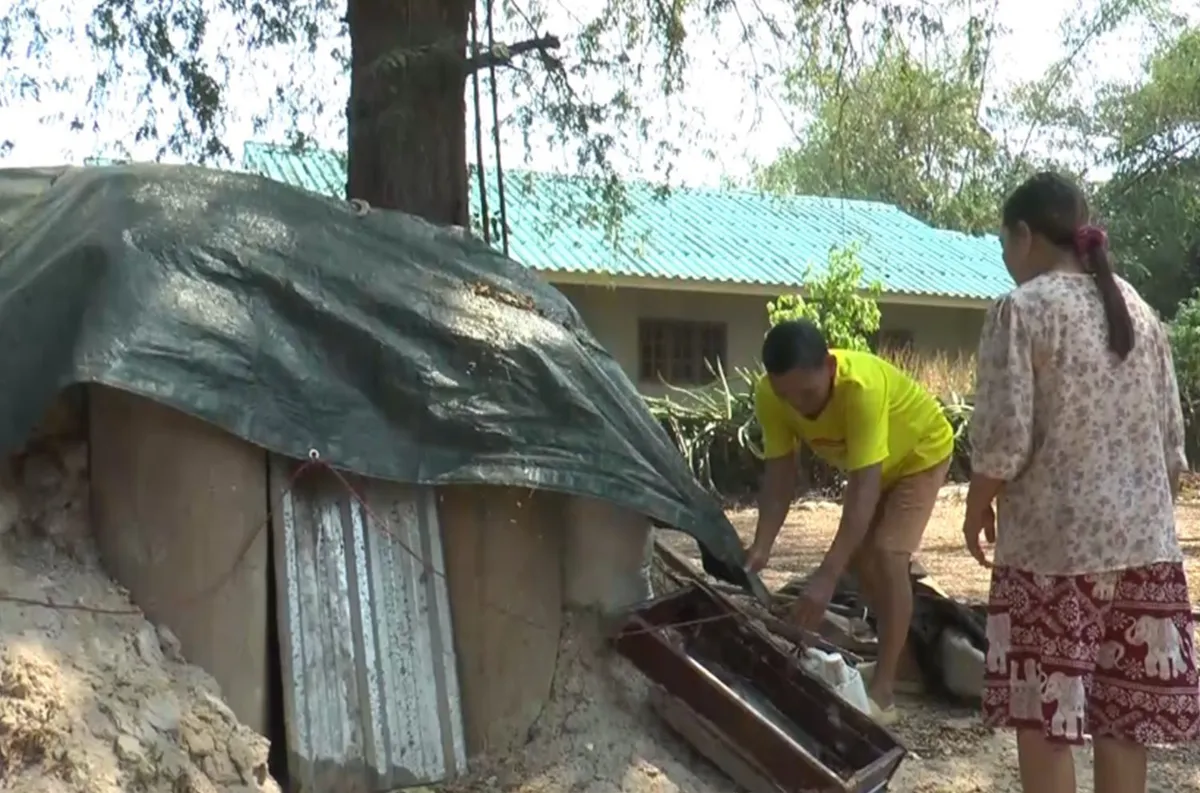
Residents in Buri Ram province’s border areas express rising unease. Villagers inspect bunkers and shelters, with some families bolstering underground hides using concrete pipes and tire stacks.
A ceasefire holds between Thailand and Cambodia since late December, following two clashes along their 817-kilometer border. The initial incident concluded after intervention by United States President Donald Trump.
