

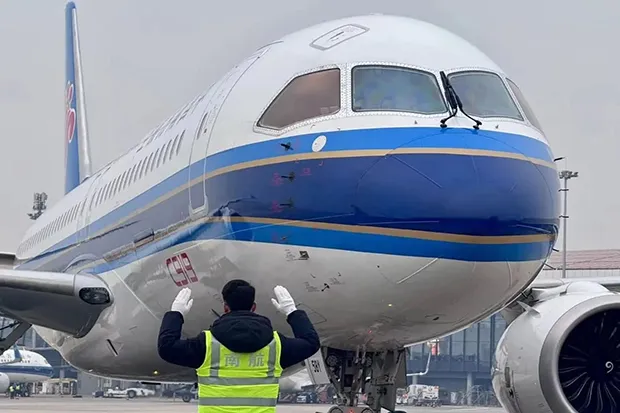
China’s domestic airline fleet is facing a significant challenge as aircraft age out, with replacement rates failing to keep pace with retirements. This trend, exacerbated by recent global supply chain disruptions impacting new aircraft deliveries, is leading to a higher average age for commercial aircraft operating within the country.
Fleet Aging Concerns Rise
Data indicates that since 2020, the number of aircraft exceeding 20 years of age has surpassed new deliveries. This imbalance is pushing the fleet’s average age beyond a sustainable level, a situation that risks continued aging despite China’s fleet previously being among the youngest globally. This aging phenomenon is projected to increase operating costs for airlines.
Older aircraft necessitate more rigorous mechanical inspections, higher labor expenditures for maintenance, and greater fuel consumption. Independent aviation analyst Li Hanming further elaborated that maintaining aging aircraft is particularly capital-intensive due to the requirement for specialized, durable parts. “This is actually counted as a depreciation of assets, but you still have to take cash flow out of your pocket,” Li stated.
C919: A Potential Solution
As of the end of 2025, China’s 65 domestic airlines operated a combined total of 4,574 commercial aircraft, according to figures from the Civil Aviation Administration of China. In this context, the C919, China’s first domestically manufactured single-aisle narrowbody aircraft, is being viewed as a crucial element in revitalizing the nation’s aging fleet.
The C919 offers airlines an additional option to address potential supply-chain challenges and inject new vitality into the aviation industry, both within China and potentially on a global scale. Commercial Aircraft Corporation of China (Comac) has delivered 35 C919s since December 2022, with major state-owned carriers having placed orders for approximately 300 of these aircraft.
Competition and Future Outlook
Comac has positioned the C919, which made its inaugural flight in 2023, as a direct competitor to the established Airbus A320 and Boeing 737 aircraft families. This development comes as major airlines continue to place significant orders for aircraft from established manufacturers. For instance, China Eastern Airlines recently announced a substantial order for 101 Airbus A320neo aircraft. Furthermore, projections indicate a strong demand for new commercial aircraft in China, with estimates suggesting a need for 8,830 new commercial aircraft through 2043.
