

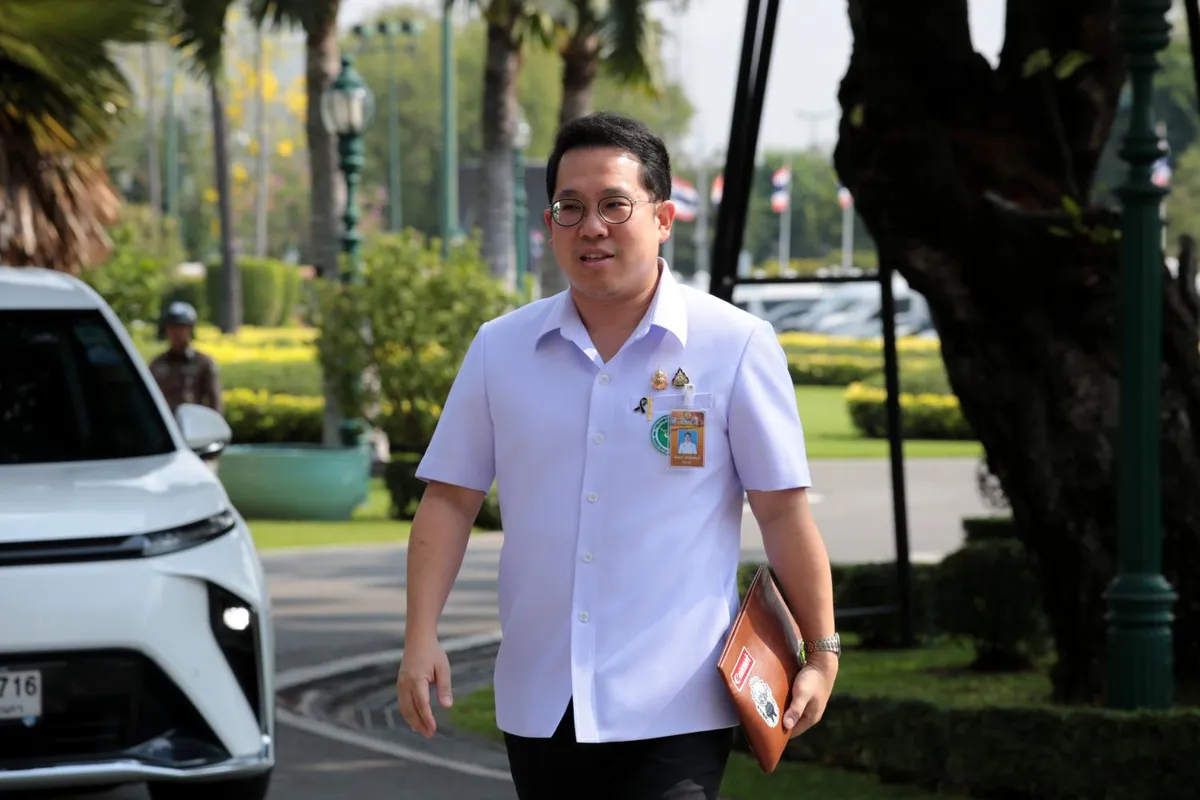
Thailand’s National Health Security Office (NHSO) is set to undergo a significant restructuring of its committee framework, a move that has been in development for some time. The Public Health Minister, who also chairs the NHSO, emphasized that these reforms are not directly tied to recent discussions surrounding a 145-million-baht allocation for gender-affirming hormone therapy.
Key Subcommittees Targeted for Review
The initial phase of this review will concentrate on three critical subcommittees: those responsible for benefits and service development, medicine procurement planning, and financial management. These bodies are instrumental in shaping the healthcare benefits provided under the nation’s universal healthcare scheme.
The Public Health Ministry’s permanent secretary, Somlerk Jeungsmarn, has been tasked with spearheading this review. Proposed changes are anticipated to be presented to the NHSO board for consideration next month.
Adapting to Evolving Healthcare Landscape
According to the Public Health Minister, the current committee structure requires modernization to better align with the contemporary healthcare environment. Factors such as escalating demand, constrained financial resources, and shifting government policy priorities necessitate swifter and more cohesive decision-making processes.
The NHSO’s existing operational model largely relies on a bottom-up approach, where proposals are generated by working groups and subsequently advance through various committee levels. While acknowledging the continued importance of public input, the proposed reforms aim to integrate more robust policy direction emanating from the NHSO board and governmental bodies.
Streamlining Decision-Making Processes
A notable driver behind the proposed reforms is the sheer volume of meetings conducted within the NHSO system. It has been indicated that the NHSO board and its subcommittees convene upwards of 365 times annually, a frequency that can potentially impede the speed of decision-making.
