

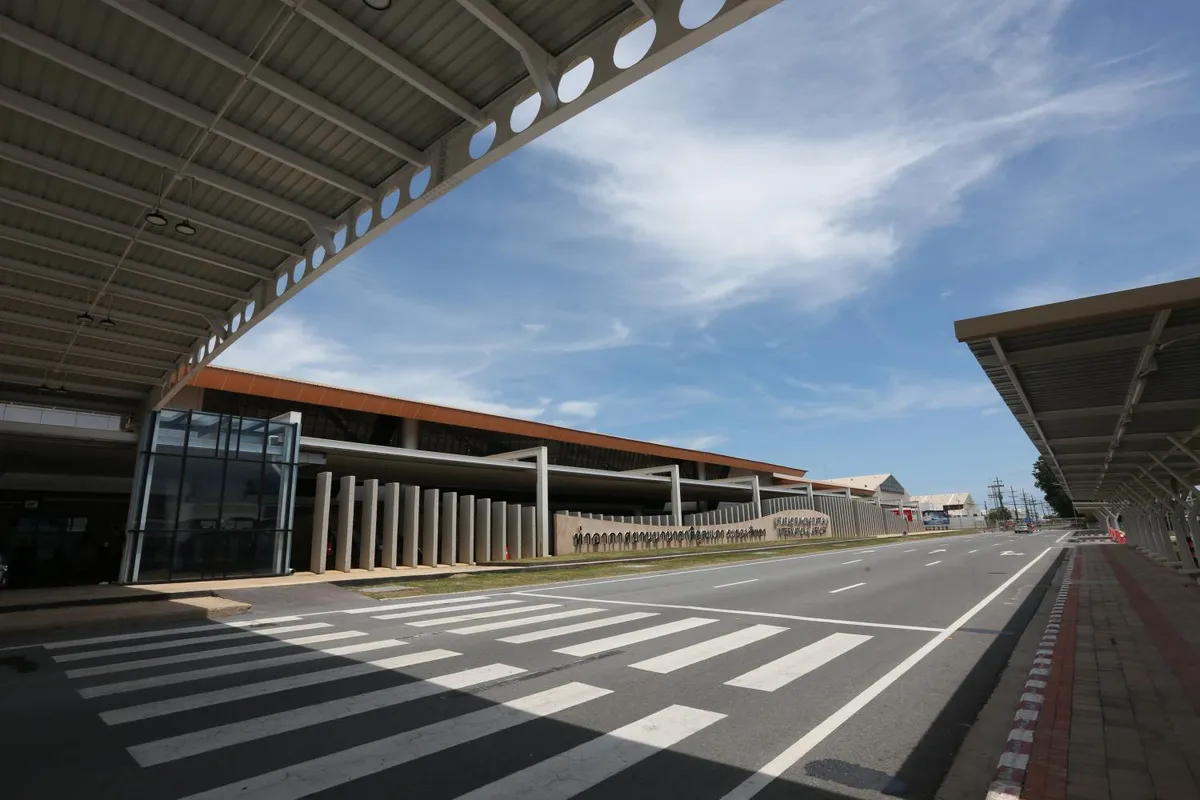
Pattaya’s tourism sector is expressing strong support for a rail link connecting the region’s airports, even as the flagship high-speed rail project faces potential modifications and delays. Operators emphasize the critical need for improved connectivity to support the Eastern Economic Corridor’s (EEC) ambitious passenger targets and to boost regional tourism, particularly during the current low season.
Airport Rail Link Crucial for EEC Goals
Thanet Supornsahasrungsi, president of the Chonburi Tourism Federation, highlighted the necessity of a functional rail system to link Don Mueang, Suvarnabhumi, and U-tapao airports. While acknowledging that the original high-speed rail plan might need adjustments to fit current economic realities, he stressed that a rail connection remains vital. The EEC’s Eastern Aviation City project aims to accommodate up to 60 million passengers annually, a figure that regional tourism alone cannot sustain. Therefore, the rail link’s primary purpose should be to alleviate congestion at Bangkok’s main airports and facilitate smoother passenger flow into the Eastern region.
Low Season Challenges and Shifting Travel Patterns
The current tourism landscape is characterized by the low season, which typically sees a slowdown in long-haul travel. Thanet noted that travelers are exhibiting hesitancy in planning trips, largely due to instability in key aviation hubs, particularly in the Middle East. Approximately 70% of travelers who previously relied on these hubs for more affordable fares are now deterred by fluctuating conditions and a significant surge in airfares, reportedly up by 40% since recent regional unrest began.
Adding to the challenges, the number of Russian arrivals via direct charter flights to U-tapao Airport is anticipated to decrease. This decline is attributed to escalating fuel prices, which impact operational costs for airlines. For the upcoming high season, only two of the four Russian charter flight operators have committed to resuming services. The remaining operators are reportedly exploring partnerships with scheduled airlines flying into Bangkok instead.
Market Performance and Resilience
Despite these headwinds, Thanet pointed to specific markets demonstrating resilience. The Indian market remains unaffected by recent global events. The Chinese market, while experiencing robust growth of 15-20%, has seen a significant shift. Mass tour groups are diminishing in favor of independent travelers, who now constitute about 70% of all visitors from mainland China.
Conversely, the Russian market faces potential contraction. Rising fuel costs are expected to reduce direct charter flights to U-tapao, prompting some operators to reroute via Bangkok. This trend, coupled with the general reluctance of long-haul travelers due to geopolitical instability and increased airfares, paints a complex picture for the upcoming season.
Impact of Local Incidents and Domestic Tourism
Regarding a recent high-profile murder case involving two Russian residents in Chon Buri, Thanet stated that the incident has not yet demonstrably impacted the tourism market. He clarified that the individuals involved were long-term residents, not tourists, and the current market slowdown is primarily driven by broader economic factors and seasonal trends rather than this specific event.
The proposed rail network is also seen as a potential boon for domestic tourism, which currently forms the majority of visitors to Pattaya. However, weekend congestion remains a persistent issue, as most domestic travelers still opt for weekday trips. Enhancing connectivity could encourage more distributed travel patterns throughout the week.
Government Support and Future Outlook
Thanet expressed optimism that government initiatives, such as a potential tourism co-payment scheme, could provide much-needed support to operators. He indicated that if the Minister of Tourism and Sports can successfully launch this scheme as planned for the next month, it could help mitigate the financial struggles faced by businesses, particularly during the slow periods like June.
The federation’s stance underscores a pragmatic approach: while the specifics of the grand high-speed rail vision may evolve, the fundamental need for an efficient rail connection between the key airports and the surrounding economic zones is paramount for realizing the region’s tourism and development potential.
