

Shrimp Farmers Face Devastating Losses Amidst Invasive Species Crisis
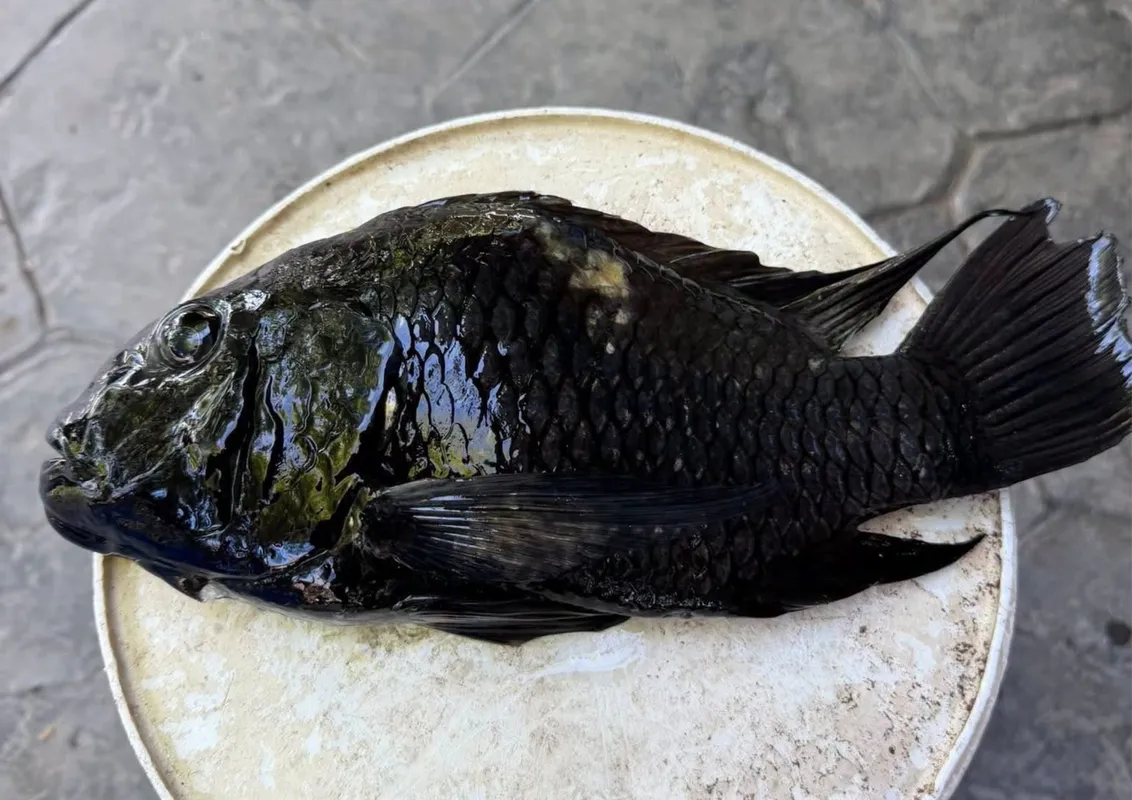
Shrimp farmers are confronting a critical situation as an invasive species, the blackchin tilapia, is severely impacting their operations and threatening their livelihoods. The problem has escalated to a point where individual farmers are struggling to cope, with even large-scale aquaculture businesses reporting significant difficulties.
A Devastating Harvest
One farmer, operating over 50 rai of shrimp ponds in Yi San Subdistrict, shared a harrowing experience during her recent harvest. Instead of a profitable yield of shrimp, she discovered over 5,000 kilograms (five tonnes) of blackchin tilapia. The fish were sold for a meager 8 baht per kilogram, generating only THB 40,000 in revenue. This amount falls far short of covering the costs associated with shrimp seed, feed, and labor invested throughout the entire farming cycle.
“This is a major issue that small farmers cannot solve on their own. Even larger farms are facing the same difficulties,” the farmer stated. “Fortunately, I do not have any debts. If I had borrowed money to invest like many other farmers, I might not have been able to continue in this profession.”
Wider Economic Repercussions
The crisis is not confined to individual farms; it is also casting a shadow over the broader local economy. A prominent blackchin tilapia trader, known locally as “Sia Nui Pla Sing,” explained the far-reaching damage caused by the invasive species. Not only are aquaculture ponds being affected, but the very foundation of farming communities is being undermined.
“Farmers release juvenile shrimp, crabs and fish, but many never reach maturity because blackchin tilapia consume them while they are still small,” the trader elaborated. “The resulting losses are enormous, while the market price of blackchin tilapia remains extremely low because consumers generally do not favour eating them.”
Low Prices, High Costs for Traders
Fish traders are currently purchasing blackchin tilapia directly from ponds for as little as 5 to 6 baht per kilogram, with resale prices only reaching 6 to 7 baht per kilogram. The majority of these fish are destined for use as animal feed or fishing bait, serving aquaculture operations for sea bass, catfish, and mud crabs, or being frozen for use in blue swimming crab traps. However, the low demand and minimal profit margins present a significant challenge.
“The problem is that there are very few buyers and prices are extremely low,” the trader noted. “Many farmers have to hire workers to remove the fish, spending tens of thousands of baht, yet sometimes earn only 4,000 to 5,000 baht from sales. They are effectively operating at a loss before they even begin to recover.”
Call for Government Intervention
In response to the escalating crisis, there is an urgent appeal for government agencies to implement decisive and meaningful actions. Recommendations include introducing price support measures to make the sale of blackchin tilapia more viable for farmers. Furthermore, organizing campaigns to systematically remove the invasive species from canals and waterways is crucial. Providing farmers with essential resources, such as juvenile shrimp, crabs, and other commercially valuable aquatic stock, is also seen as vital to help them rebuild their devastated livelihoods.
