

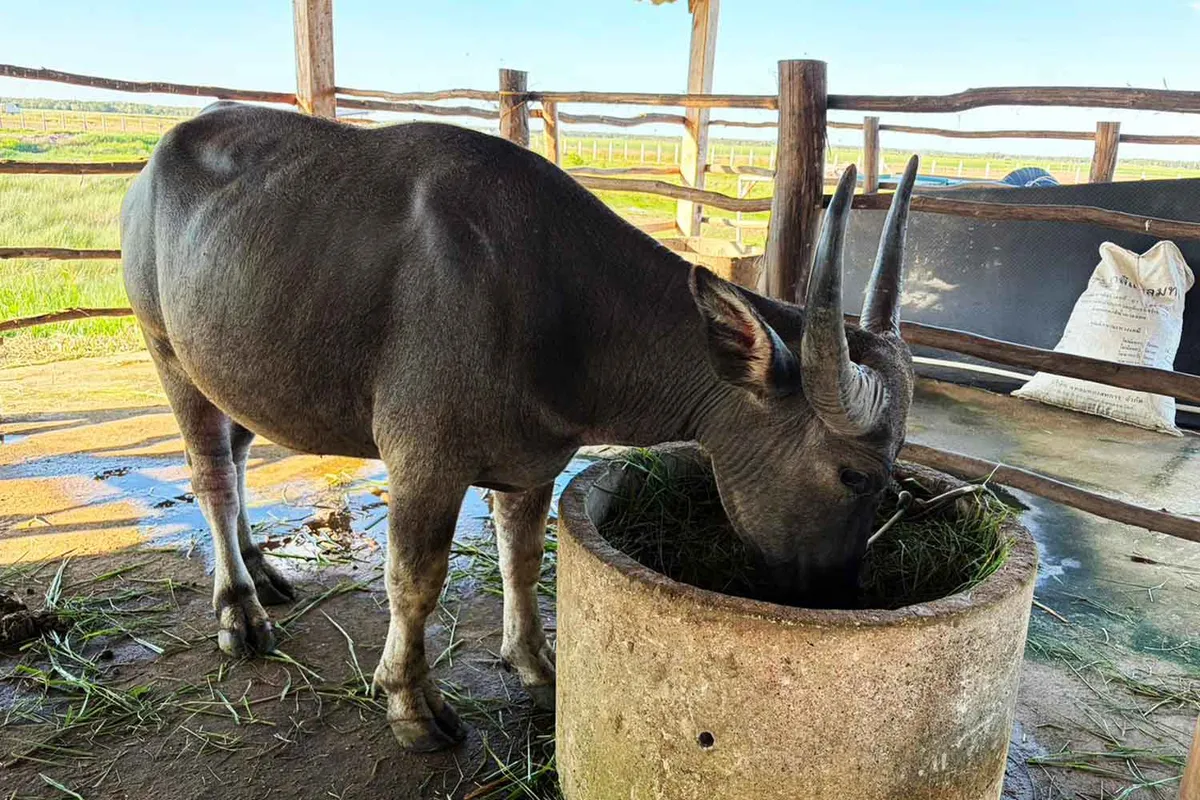
A unique initiative is transforming the traditionally raised swamp buffalo of Talay Noi in Phatthalung, Thailand, into a sought-after, high-value product. Spearheaded by Thaksin University’s Phatthalung Campus, in partnership with local communities and livestock authorities, the project aims to boost farmer income while safeguarding a centuries-old agricultural heritage system. The ambition is to see this premium buffalo meat expand its reach across southern Thailand and potentially beyond.
Developing a Premium Product from Heritage Livestock
The project operates under the umbrella of the Thailand-China Technology Exchange Research Centre for the Swamp Buffalo Farming System, established at the university. Its core mission is to leverage scientific research and integrate it with the deep-seated local knowledge and traditional farming practices that characterize the Talay Noi region. This collaborative approach, supported by buffalo farmers in the Hua Pa Khiao community of Khuan Khanun district, is designed to enhance the production of swamp buffalo meat, making it economically viable and appealing to a wider market.
This initiative is meticulously aligned with the Food and Agriculture Organization’s (FAO) Globally Important Agricultural Heritage System (GIAHS) framework. The GIAHS designation for Phatthalung recognizes agricultural systems that achieve a delicate balance between preserving biodiversity, managing natural resources sustainably, and ensuring the livelihoods of local communities. By focusing on the Talay Noi swamp buffalo, the project directly supports the continuation of this heritage system.
Enhancing Production Through Integrated Methods
The research centre is actively developing a range of processed buffalo meat products. These include offerings such as grilled buffalo meat, sun-dried buffalo meat, and buffalo skewers. Early consumer trials have yielded highly encouraging results. At two recent promotional events, feedback from consumers was overwhelmingly positive. Many attendees commented on the exceptional tenderness of the meat, its rich, appealing flavor, and the notable absence of any unpleasant odors – characteristics often associated with higher-quality meats.
This positive reception in domestic markets is paving the way for future expansion. Plans are already in motion to introduce these products in neighboring southern provinces, including Trang, Krabi, and the southern border provinces of Pattani, Yala, and Narathiwat. The potential for international markets was also underscored at a recent international cooperation forum, where the products garnered significant interest, particularly from potential buyers in China. This international attention highlights the promising export potential of Talay Noi’s unique buffalo meat.
Nutritional Profile and Market Potential
Aporn Songsaeng, who heads the Thai–Chinese Technology Exchange Research Centre, provided specific insights into the nutritional advantages of the Talay Noi swamp buffalo. She explained that buffalo raised naturally in the Talay Noi region yield meat that is distinctively dark red. Crucially, this meat boasts a high protein content, measuring 21.36%, while maintaining a remarkably low fat content of just 0.85%.
This impressive nutritional profile makes the meat exceptionally well-suited for the development of premium, health-oriented food products. As consumer demand for healthier eating options continues to grow globally, the naturally lean and protein-rich meat from Talay Noi swamp buffalo is perfectly positioned to capture a significant share of this market. The project’s success hinges on its ability to scale production while maintaining the traditional, sustainable farming methods that define its heritage and contribute to the meat’s unique quality.
Future Outlook and Expansion
The initiative represents a forward-thinking approach to agricultural development, demonstrating how heritage farming systems can be revitalized and made economically sustainable through innovation and market development. By adding value to a traditionally raised livestock product, the project not only provides a new income stream for local farmers but also acts as a powerful incentive for the continued preservation of the GIAHS-designated landscape and its associated farming practices.
The expansion into other southern provinces and the burgeoning interest from international markets suggest a bright future for Talay Noi swamp buffalo meat. The project serves as a compelling model for other agricultural heritage sites seeking to enhance their economic viability without compromising their cultural and environmental integrity. The combination of traditional wisdom, scientific advancement, and a focus on premium quality is set to elevate the profile of this unique Thai product on both domestic and global stages.
