

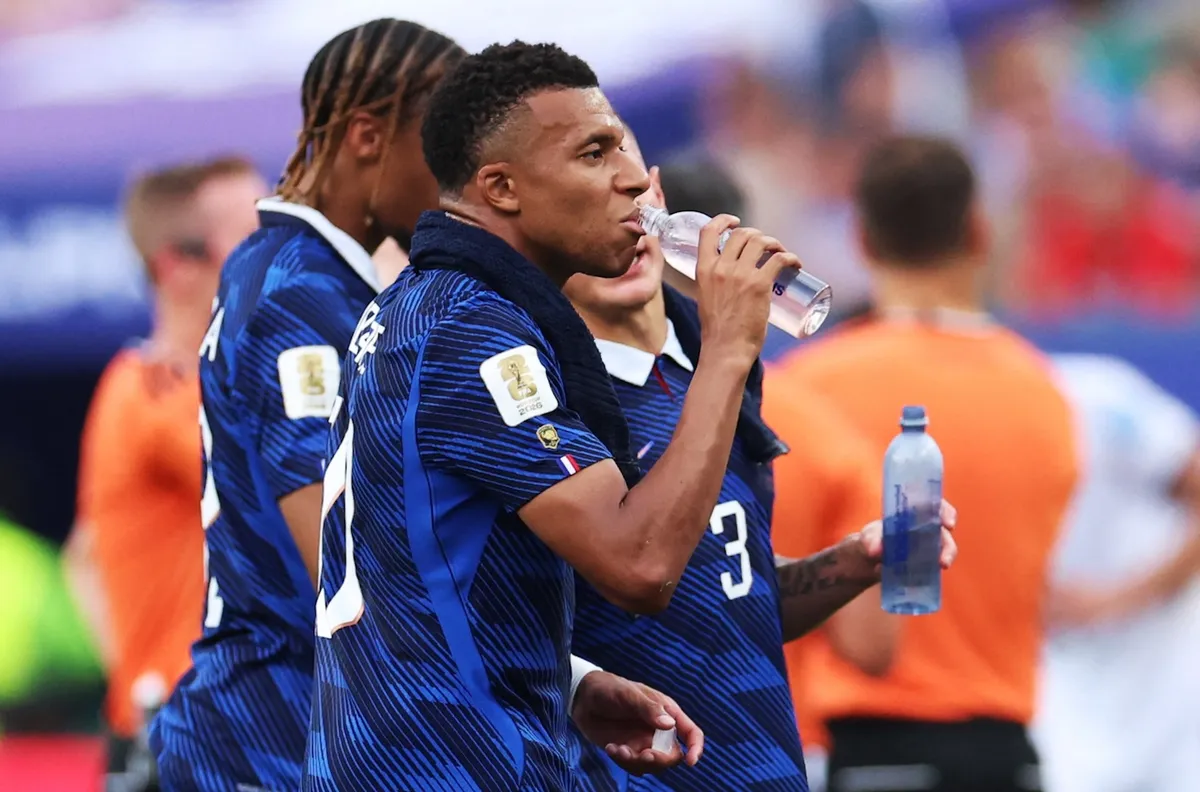
World Cup Hydration Breaks Defended by FIFA President
Mandatory three-minute breaks, implemented in every World Cup match, are facing scrutiny from players, coaches, and fans. Introduced to help athletes manage high temperatures, these stoppages have also coincided with additional advertising opportunities for broadcasters, sparking debate about their impact on the game’s flow and integrity.
Critics argue that the breaks disrupt the natural momentum of matches and fundamentally alter the nature of football. England manager Thomas Tuchel commented that the additional pause “interrupts and changes the identity of the football match.” Similarly, Uruguay coach Marcelo Bielsa stated that dividing games into shorter segments detracts from the sport’s core characteristics.
FIFA’s Stance on Breaks
FIFA President Gianni Infantino asserted that the breaks do not generate additional revenue for the organization, as all commercial agreements were finalized well before the tournament. “So, this is not a financial issue for us. For us, it is purely a sporting matter,” Infantino stated. He emphasized that the primary objective is player welfare in extreme heat and ensuring equitable playing conditions across all matches.
“The main reason is the heat, but we also have to understand that in a competition like the World Cup, played over 39 days, with teams potentially playing eight matches in those 39 days, having a moment to rest is extremely important,” Infantino explained. He further elaborated on the importance of consistency, noting, “What matters even more to us is ensuring that all teams, in every match, are playing under the same conditions.”
Infantino also addressed concerns about potential tactical advantages gained during the breaks. He highlighted the difficulty in accepting situations where “a coach might have the opportunity to influence a match by making adjustments simply because it’s hotter, while in another match, where the temperature is slightly lower, the same coach doesn’t have the same opportunity.”
Performance Impact
Addressing claims that the breaks reduce match intensity, Infantino suggested that players have maintained a high level of performance throughout games. Analysis indicates that the stoppages have not significantly diminished the players’ ability to perform at peak levels over the full course of the match.
While some, like Spain coach Luis de la Fuente and Netherlands captain Virgil van Dijk, acknowledged the necessity of the breaks in extreme heat, they questioned their application in cooler environments or at covered venues.
