

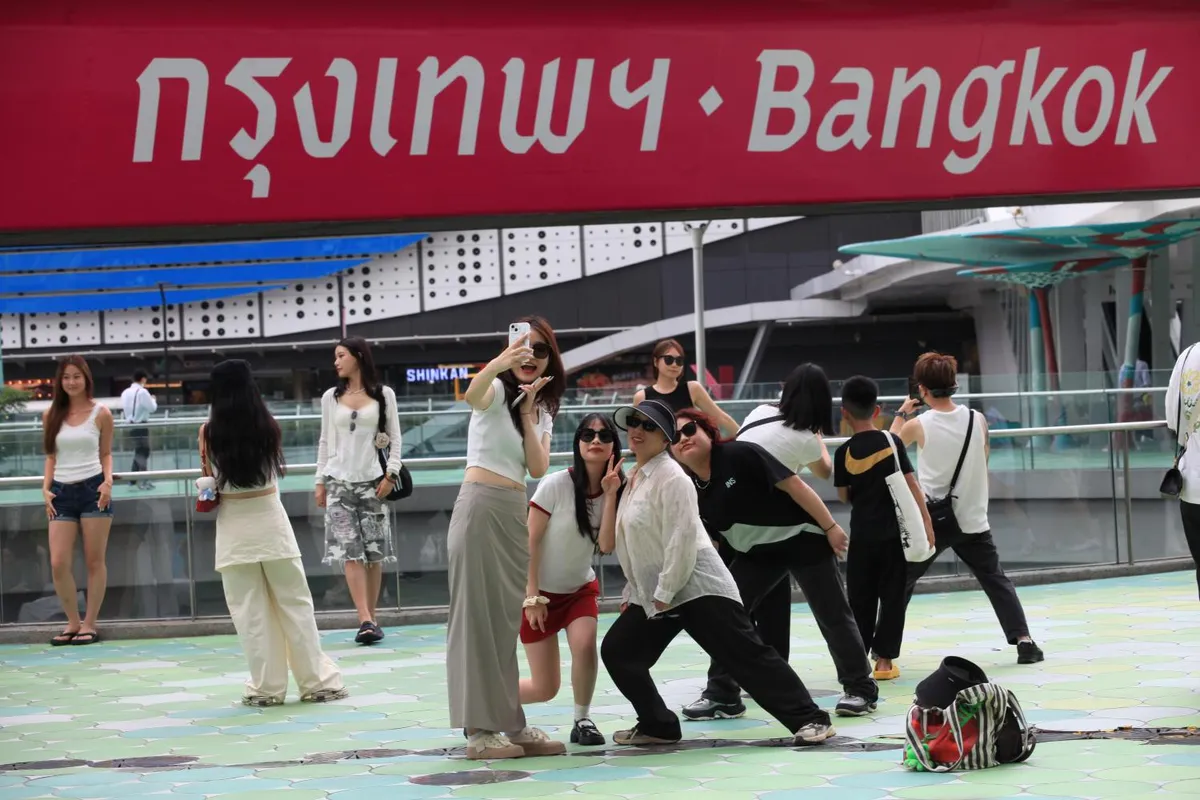
Bangkok, a sprawling metropolis home to millions and a vital gateway for international travelers, stands at a pivotal moment. With a substantial annual budget of 92.7 billion baht managed by the Bangkok Metropolitan Administration (BMA), the city possesses the resources to enhance its global competitiveness. Business leaders are looking to the new governor to transform Bangkok into an “ideal capital” that will significantly boost the nation’s economy.
Creating a Liveable City for All Residents
For Bangkok to thrive, policies must focus on strengthening its appeal to both domestic migrants and foreign residents, while simultaneously improving liveability, infrastructure, and access to essential information. Kessara Thanyalakpark, managing director of Sena Development, emphasizes that Bangkok should cultivate an environment where people aspire to live, work, and build their futures, irrespective of their origin.
“Bangkok should have a ‘Welcome Resident Centre’ for newcomers, whether they are foreigners or Thais relocating from other provinces,” Ms. Thanyalakpark suggested. “A centre would help people settle into the city more easily and make Bangkok a more attractive place to live.” She noted that similar initiatives have proven successful in developed nations actively seeking to attract migrants, skilled workers, and international talent. Countries like Canada, Germany, Australia, and New Zealand offer comprehensive support services through welcome centres, aiding newcomers with everything from language training and employment assistance to navigating administrative procedures and integrating into local communities.
Addressing the reasons why Thais might choose to leave Bangkok for opportunities abroad, and tackling issues like dual pricing that often deter foreign visitors, are crucial steps. “We need to create a more welcoming environment if we want Bangkok to compete with leading global cities,” Ms. Thanyalakpark stated. She also highlighted the importance of greater transparency in public information, particularly regarding official land appraisal values and ownership records, to foster investment and urban development.
Enhancing Urban Functionality and Safety
Surachet Kongcheep, head of research at Cushman & Wakefield Thailand, pointed out that while many urban development aspects fall under routine municipal functions, the governor’s role in coordination is paramount. Issues such as recurring flooding, traffic disruptions from construction, and the prolonged use of public spaces for construction materials require stricter oversight to improve the quality of life and bolster investment confidence.
Prioritizing safety for all city users—pedestrians, public transport patrons, and motorists—is essential. “More effective CCTV coverage and enforcement can help deter crime and improve confidence among residents and visitors,” Mr. Kongcheep commented. He also suggested that the BMA could more actively utilize land and building tax policies to encourage productive land use, prompting owners of underutilized plots to develop or release their properties to the market.
Regarding the city’s urban planning, Mr. Kongcheep stressed the need to expand road networks and enhance connectivity. This would unlock development potential in previously inaccessible areas, support future property investment, and promote more balanced urban growth across the capital.
Supporting the Grassroots Economy
Sangchai Theerakulwanich, honorary president and strategic chairman of the Federation of Thai SMEs, believes the new governor should leverage their understanding of local communities to bolster micro-SMEs, especially amidst a sluggish economy. While government policies exist to stimulate the grassroots economy, they require reinforcement from the BMA’s operational expertise.
“Local officials work closely with small entrepreneurs, a connection the Bangkok governor must leverage to strengthen support for the city’s micro-businesses,” Mr. Theerakulwanich stated. He emphasized that a healthier grassroots economy is vital for the nation’s overall economic recovery. To enhance revenue for these small businesses, a combination of measures is needed, with digital technologies like artificial intelligence playing a key role in increasing competitiveness.
Elevating Bangkok’s Public Image and Infrastructure
Thienprasit Chaiyapatranun, president of the Thai Hotels Association, highlighted the importance of Bangkok’s public image, particularly for its significant international visitor base. Despite a comprehensive rail network, hazardous road traffic and obstructed pavements due to street vendors remain challenges that the BMA must address. While a complete ban on street vendors may not be necessary, clear regulations regarding designated areas, operating hours, and hygiene are crucial.
“A high-value image will never be achieved if basic infrastructure remains inadequate in Bangkok. Many pavements are deteriorating and difficult for pedestrians to walk on,” Mr. Chaiyapatranun observed. He also pointed to neglected areas under expressways, contrasting them unfavorably with cleaner cities like Singapore. Persistent flooding during the rainy season also damages Thailand’s tourism image and reduces visitor numbers, necessitating infrastructure improvements.
Furthermore, urban planning laws need to better support business development. Converting old buildings into hotels, for instance, requires legal adjustments and strict safety inspections, especially concerning unauthorized extensions to aging structures. “If we aim for high-value tourism, the city must have recognised standards and regulations to ensure safety,” he asserted, while cautioning that regulations should not unduly burden property owners.
Revitalizing Infrastructure and Supporting Businesses
Chanon Koetcharoen, president of the Restaurant Association, noted that the current economic climate, influenced by global events and rising travel costs, has impacted restaurant sales. He expressed hope that the new governor would help revitalize the city’s dining scene.
Key infrastructure concerns include addressing the city’s drainage problems to mitigate disruptions caused by flooding. For street food vendors, improving waste disposal practices, such as introducing portable grease traps, is vital to prevent blockages in the drainage system. Mr. Koetcharoen also called for simplifying the process of obtaining restaurant licenses and developing integrated travel routes that connect various tourist destinations across Bangkok. This approach would promote diverse neighborhoods and support local eateries, while also enhancing the city’s nightlife, which directly benefits street food vendors.
The collective vision from business leaders underscores a strong desire for a more liveable, functional, safe, and economically vibrant Bangkok, capable of competing on the global stage.
