

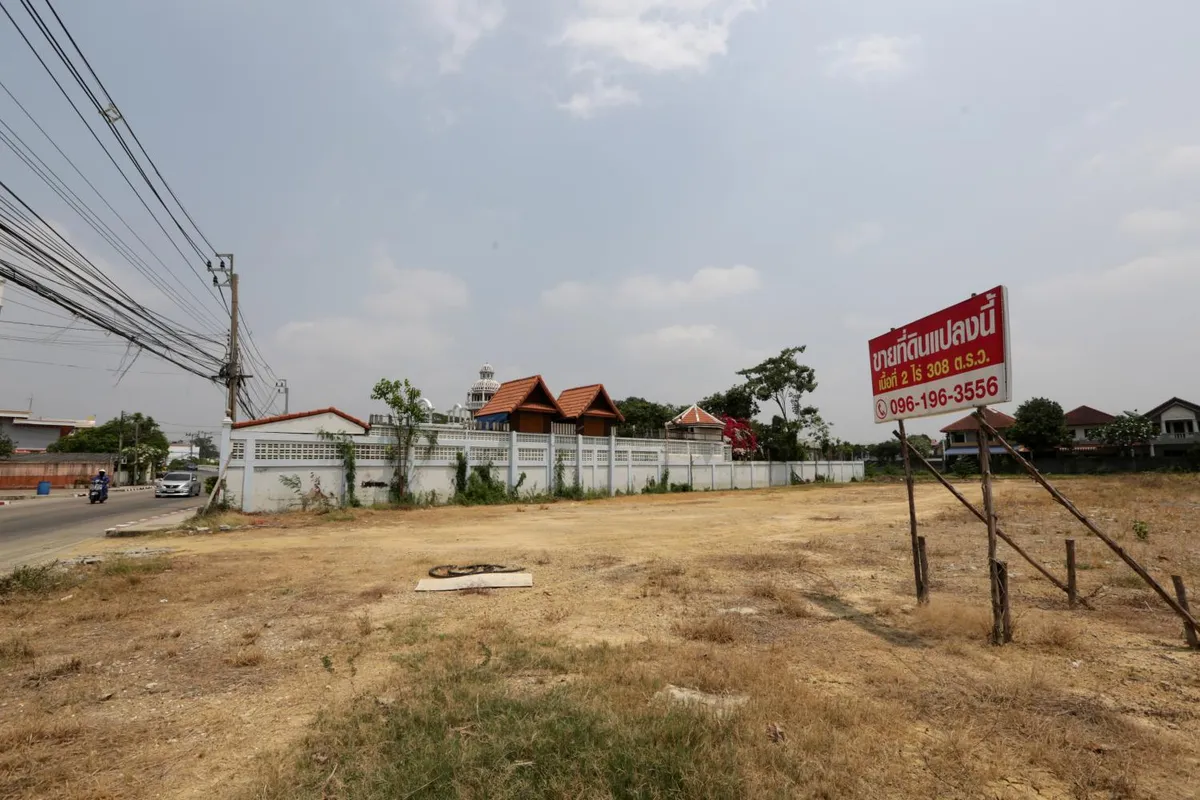
Thailand’s Treasury Department is proposing to reduce the discrepancy between official land appraisal prices and current market values. Currently, appraisal prices stand at 30-40% below market rates. The department aims to narrow this gap, bringing appraisals to just 20-25% below market price. This adjustment, set to take effect from January 1, 2027, is part of a regular four-year land valuation cycle.
Understanding the Proposed Land Appraisal Adjustment
The official land appraisal process, conducted every four years, determines the baseline value for various taxes and fees. The current valuation period runs through 2026, with the proposed changes slated for implementation in the subsequent cycle, from 2027 to 2030. Provincial committees are responsible for conducting these appraisals within their respective regions.
This proposed shift aims to bring official valuations closer to real-world market conditions. While the exact reasons for the proposed adjustment are not detailed, such changes typically seek to balance government revenue needs with the economic realities faced by landowners and the property market.
Potential Impacts of the Narrower Appraisal Gap
The adjustment in land appraisal prices is expected to have several significant consequences for various stakeholders:
- For Landowners Seeking Loans: Individuals looking to use their land as collateral for loans will likely benefit. A higher appraisal value means they can potentially secure larger loan amounts from financial institutions, as the loan-to-value ratio will be based on a figure closer to the actual market worth of the property.
- Increased Tax Liabilities: Conversely, landowners may face higher annual land and building tax payments. Taxes are often calculated based on the official appraisal value, so a smaller gap between appraisal and market price will translate to a higher taxable base.
- Transaction Costs for Buyers and Sellers: The property market will also feel the impact. When buying or selling land, several fees are associated with the transfer of ownership. These fees, often a percentage of the appraised value, will increase as the appraisal value rises, making property transactions more expensive.
International Standards and Current Valuations
Internationally, official land appraisal prices are generally considered to be around 15% lower than the prevailing market value. The proposed adjustment in Thailand would move the official valuations closer to this international benchmark, though still maintaining a notable difference.
The current appraisal values highlight significant price variations across different regions. In Bangkok, the highest average plot price is recorded at 1 million baht per square wah, while the lowest stands at 500 baht per square wah. In the provinces, Songkhla sees its highest appraisal at 400,000 baht per square wah, with the lowest at 35 baht per square wah. Chiang Mai’s figures range from 250,000 baht per square wah for the highest-valued plots down to 25 baht per square wah for the lowest.
Recent Land Transfer Trends
Data from the first quarter of the current year indicates a slight decrease in the transfer of vacant land rights nationwide, with 115,000 plots changing hands, down from 123,000 plots in the same period last year. It is important to note that these figures specifically pertain to land with full ownership rights and those holding a Nor Sor Gor 3 certificate. The Nor Sor Gor 3 certificate signifies a legal right to possess and utilize land but does not confer full freehold ownership.
Last year, the total number of vacant land rights transfers reached 465,000 plots, according to departmental records. These statistics provide a snapshot of the activity in the property market, against which the proposed appraisal adjustments will be implemented.
Looking Ahead
The Treasury Department’s initiative to narrow the gap between official land appraisals and market prices represents a significant policy adjustment. It seeks to recalibrate the financial implications of land ownership and transactions, balancing the potential for increased government revenue and improved loan accessibility against higher costs for property transfers and annual taxes. The effectiveness and broader economic impact of this policy will unfold as it is implemented in the coming years.
