

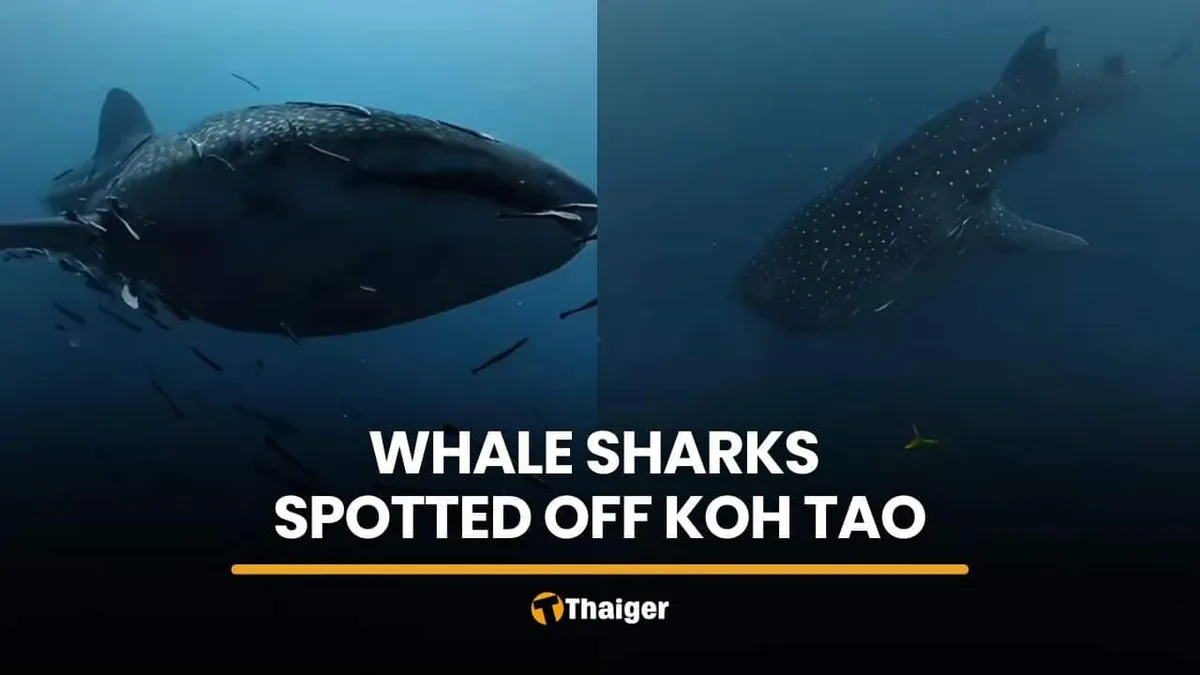
Two magnificent whale sharks were observed on July 5th at distinct dive locations surrounding the popular Thai island of Koh Tao, offering a rare and exciting spectacle for both local and international divers. The gentle giants were seen at two of the island’s most renowned dive spots: Chumphon Pinnacle and Sail Rock.
A Memorable Encounter for Marine Enthusiasts
Divers present at the time were able to capture photographs and video footage of the whale sharks, which measured an estimated three to four meters in length. These impressive creatures were observed gracefully navigating through schools of smaller fish, a testament to the vibrant marine life of the region. The sightings provided a unique opportunity for visitors to witness these majestic animals in their natural environment.
Peak Season for Whale Shark Sightings
According to Rumluek Assavachin, president of the Koh Tao Tourism Association, the period from June to September represents the island’s prime season for whale shark encounters. During these months, whale sharks are frequently reported at various dive sites around Koh Tao, including well-known locations such as Chumphon Pinnacle, Sail Rock, Hin Khao, and Kong Tung Ku. Assavachin noted that it is not uncommon for whale sharks to be sighted at multiple locations on the same day, with simultaneous sightings at two different sites having occurred on several occasions.
This period is highly anticipated by divers, both from Thailand and abroad, as the possibility of daily whale shark sightings becomes a reality. Assavachin highlighted the significance of these frequent sightings:
“The continued sightings of whale sharks are one of the key indicators reflecting the richness of Koh Tao’s marine ecosystem, food sources and biodiversity. They are also the result of ongoing cooperation between government agencies, the private sector, dive operators and local communities in conserving and restoring marine resources.”
Responsible Wildlife Viewing Emphasized
In light of these exciting encounters, dive operators are reinforcing the importance of responsible whale shark viewing practices. Visitors are strongly urged to adhere to specific guidelines designed to protect these vulnerable creatures and their habitat. Key recommendations include refraining from touching, chasing, or feeding the whale sharks, and maintaining a respectful distance to avoid disrupting their natural behaviors. Adherence to these rules is crucial for the conservation of Koh Tao’s precious marine environment.
Broader Whale Shark Activity in Thai Waters
In separate but related news, a whale shark was recently filmed swimming near a fishing boat off the coast of Pattaya. A local fisherman, who has worked at sea for a decade, shared videos of this unusual encounter, noting that sightings of whale sharks in the Pattaya area are relatively uncommon. This incident underscores the dynamic nature of marine life movements and the occasional, surprising appearances of these large pelagic species in different coastal regions of Thailand.
Koh Tao’s Marine Ecosystem: A Thriving Hub
The consistent presence of whale sharks off Koh Tao is a powerful indicator of a healthy and robust marine ecosystem. These filter feeders, the largest fish in the ocean, play a vital role in the marine food web. Their presence suggests abundant food sources, such as plankton blooms, which are often associated with nutrient-rich waters. The clarity of the waters around Koh Tao, combined with its diverse coral reefs and abundant fish populations, creates an ideal environment for these magnificent creatures.
The success in observing whale sharks is not solely attributed to favorable environmental conditions but also to the concerted efforts of various stakeholders. The collaborative approach involving government bodies, private enterprises, dive centers, and the local community has been instrumental in marine conservation initiatives. These efforts focus on protecting coral reefs, managing fishing practices, reducing pollution, and promoting sustainable tourism, all of which contribute to the overall health of the marine environment and the likelihood of encountering species like the whale shark.
Understanding Whale Sharks
Whale sharks (Rhincodon typus) are known for their docile nature and their unique feeding method, where they filter feed on plankton and small fish by opening their massive mouths. Despite their imposing size, they pose no threat to humans. Their migratory patterns are still being studied, but they are known to travel vast distances across tropical and warm-temperate oceans. Sightings in areas like Koh Tao and, more rarely, Pattaya, highlight the importance of understanding and protecting these migratory routes and the habitats they depend on.
The tourism industry around Koh Tao has significantly benefited from the whale shark phenomenon. Divers and snorkelers are drawn to the island with the hope of experiencing these encounters, contributing to the local economy. However, this increased attention also brings the responsibility of ensuring that tourism activities do not negatively impact the whale sharks or their environment. The guidelines promoted by dive operators are essential in balancing the economic benefits of wildlife tourism with the imperative of conservation.
Conservation Efforts and Future Outlook
The ongoing success in whale shark sightings off Koh Tao serves as a positive feedback loop for conservation efforts. It demonstrates that dedicated marine protection and responsible tourism practices can yield tangible results. Continued monitoring, research into whale shark behavior and population dynamics, and sustained community engagement are vital for ensuring that future generations can also marvel at these gentle giants. The dual sightings serve as a powerful reminder of the natural wonders that Thailand’s oceans hold and the collective responsibility to preserve them.
