

Tragedy has struck the Rohingya community with an estimated 500 people feared dead following the sinking of two boats off the coast of Myanmar. The vessels, which departed from Rakhine State in late June, were carrying predominantly Rohingya passengers, some of whom had reportedly traveled from the sprawling refugee camps in Cox’s Bazar, Bangladesh. The dire news comes from a joint statement issued by the International Organization for Migration (IOM) and the UN Refugee Agency (UNHCR), highlighting a potentially catastrophic loss of life.
Rohingya Exodus: A Perilous Journey for Safety
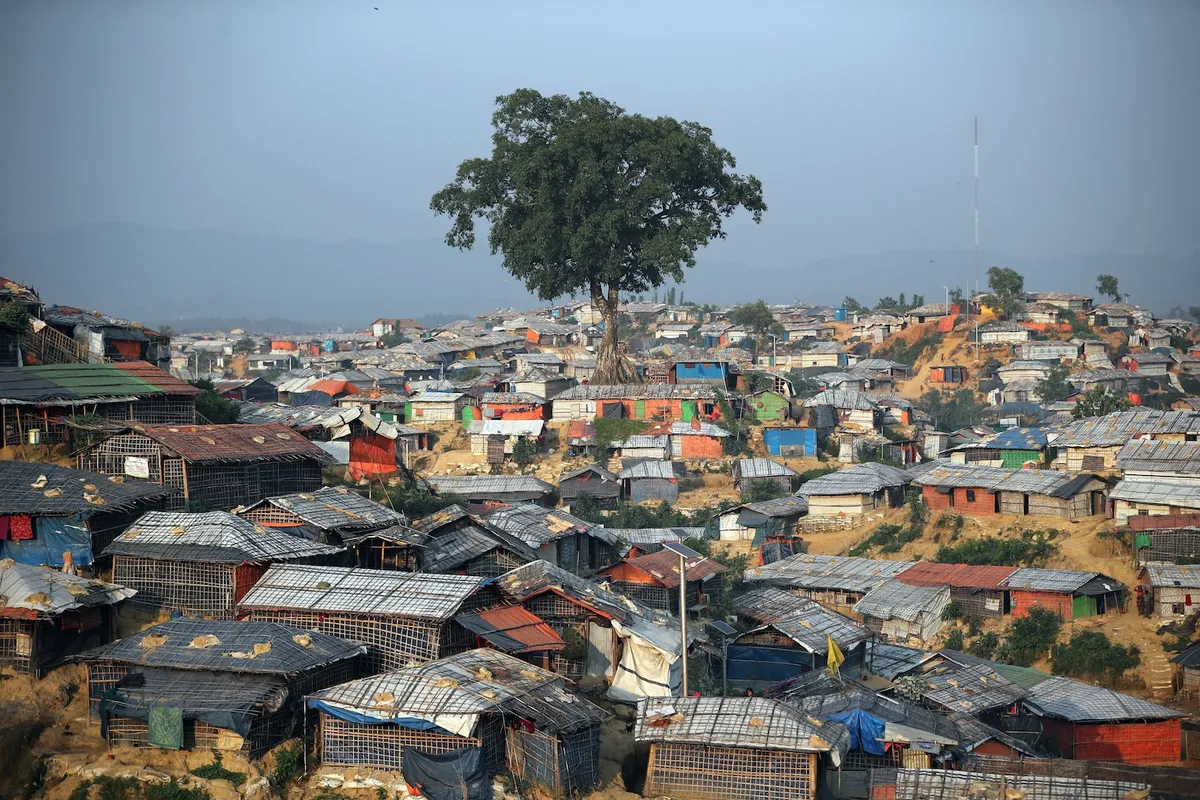
For years, members of Myanmar’s Rohingya Muslim minority have embarked on perilous sea voyages, risking everything in search of safety and a better life. These journeys are often undertaken on makeshift wooden boats, a testament to the desperation fueled by violence and persecution in their homeland, as well as the dire conditions within the overcrowded refugee camps in Bangladesh. These camps are currently home to approximately 1.1 million Rohingya, who harbor hopes of reaching countries like Malaysia, Indonesia, or Thailand.
The recent incidents underscore the extreme dangers faced by those attempting these routes. The first boat, with an estimated 250 people on board, lost contact shortly after its departure. The second vessel, believed to be carrying around 280 individuals, is thought to have sunk off Ayeyarwady in Myanmar on July 8. These figures, while not yet officially confirmed, paint a grim picture of the scale of the disaster.
Hazardous Conditions and Growing Concerns
The UN agencies emphasized that these perilous journeys occurred outside the typical sailing season. During these periods, maritime conditions are generally more hazardous, with increased risks of storms and rough seas. This factor likely contributed significantly to the catastrophic outcomes of these voyages.
The joint statement from the IOM and UNHCR expressed grave concern over the potentially devastating loss of life. While the exact circumstances and casualty figures are still under investigation and await official confirmation, the preliminary information suggests a significant humanitarian crisis unfolding at sea. The agencies are closely monitoring the situation and working to gather more concrete details.
A Wider Pattern of Maritime Tragedies
These recent sinkings are not isolated incidents but are part of a disturbing trend. The UN agencies reported that nearly 300 people, including Rohingya refugees and Bangladeshi nationals, have been reported missing or dead in the Andaman Sea and the Bay of Bengal throughout the current year. This statistic highlights the ongoing, deadly reality for many attempting to flee their circumstances through maritime routes.
The international community faces a significant challenge in addressing the root causes that compel individuals to undertake such dangerous journeys. Factors such as ongoing conflict, persecution, and the lack of viable alternatives continue to drive the Rohingya and others to seek refuge through increasingly perilous means. The recent tragedies serve as a stark reminder of the urgent need for comprehensive solutions that ensure the safety and dignity of displaced populations.
The Plight of the Rohingya
The Rohingya, a stateless Muslim minority group, have faced decades of discrimination and persecution in Myanmar. Denied citizenship and facing severe restrictions on movement, education, and healthcare, many have been forced to flee their homes. Large-scale violence in 2017 led to a massive exodus of over 700,000 Rohingya into neighboring Bangladesh, creating one of the world’s largest refugee settlements.
Life in the refugee camps, while offering a degree of safety, is characterized by limited resources, overcrowding, and uncertainty about the future. This precarious existence often pushes individuals to seek alternative, albeit dangerous, paths to safety and economic opportunity. The sea routes, despite their inherent risks, represent a desperate gamble for a chance at a better life, far from the violence and despair they have endured.
International Response and Future Outlook
The IOM and UNHCR are actively involved in search and rescue efforts where possible and are working with authorities to ascertain the full extent of these latest disasters. Their joint statements aim to raise international awareness and advocate for greater protection for vulnerable populations undertaking such journeys. The agencies continue to call for safe and legal pathways for migration and asylum, as well as addressing the underlying causes of displacement.
The ongoing loss of life at sea underscores the critical need for coordinated international efforts to prevent future tragedies. This includes enhancing maritime safety, combating human trafficking and smuggling networks, and, most importantly, addressing the political and social conditions that force people to flee their homes in the first place. The fate of the Rohingya remains a pressing humanitarian concern, demanding sustained attention and action from the global community.
As investigations continue, the full impact of these sinkings will become clearer. However, the initial reports signal a profound loss for the Rohingya community and a tragic continuation of their struggle for survival and dignity. The international focus must remain on providing humanitarian assistance, ensuring accountability, and working towards long-term solutions that prevent such devastating events from recurring.
