

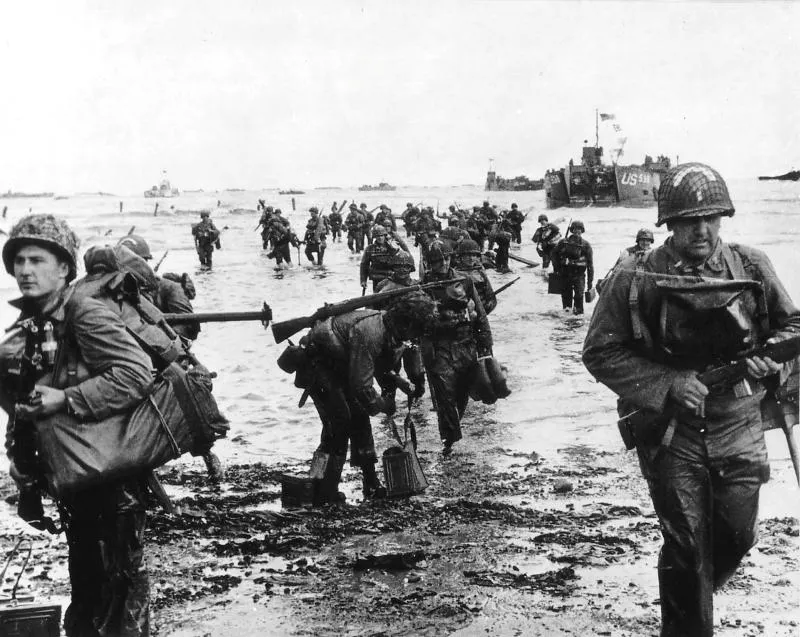
The historic D-Day landing beaches of Normandy, France, have officially been recognized as a UNESCO World Heritage site. This designation celebrates the profound historical significance of the area, acknowledging both the pivotal events of June 6, 1944, and the ongoing global remembrance of this critical World War II turning point.
A Landscape of Memory and History
UNESCO’s decision highlights the Normandy beaches as an “exceptional cultural landscape.” This description emphasizes how the sites have been shaped not only by the dramatic events of the 1944 Allied landings but also by the enduring legacy of remembrance that continues to draw international attention. The designation underscores the site’s unique value to humanity, recognizing its role in shaping modern history and fostering a collective memory of the struggle for freedom.
The Scale of Operation Overlord
The D-Day landings, codenamed Operation Overlord, represented a monumental undertaking. On June 6, 1944, an unprecedented amphibious and airborne assault was launched against Nazi Germany’s forces occupying Western Europe. The operation involved an immense Allied force, with approximately 156,115 troops landing by sea or being airdropped behind enemy lines. These forces targeted five key beach sectors: Utah, Omaha, Gold, Juno, and Sword.
A Multinational Effort
The troops who participated in the Normandy landings hailed from a diverse array of nations, reflecting the global coalition formed to combat Nazi Germany. Contributing forces included soldiers from:
- United States
- United Kingdom
- Canada
- Belgium
- Norway
- Poland
- Luxembourg
- Greece
- Czechoslovakia
- New Zealand
- Australia
In addition to these international contingents, approximately 177 French commandos also played a crucial role in the assault, fighting on home soil to liberate their nation.
The Decisive Turning Point
The D-Day landings were a crucial and decisive stage in the liberation of Europe. The successful establishment of a Western Front in France allowed the Allied forces to begin pushing back against German occupation, ultimately leading to the defeat of Nazi Germany in World War II. The bravery and sacrifice demonstrated on the beaches of Normandy remain a powerful symbol of the fight against tyranny and the pursuit of peace.
Ongoing Commemorations and Global Significance
The Normandy D-Day beaches continue to be a focal point for annual commemorations, attracting world leaders, veterans, and visitors from across the globe. These ceremonies serve to honor the memory of those who fought and died, to educate future generations about the costs of war, and to reaffirm the values of freedom and international cooperation. The UNESCO designation is expected to further enhance the protection and preservation of these sacred sites, ensuring their historical and cultural significance is maintained for posterity.
Preserving a Legacy for the Future
The recognition of the Normandy D-Day beaches as a UNESCO World Heritage site is a testament to their profound impact on world history. It ensures that the stories of courage, sacrifice, and the fight for liberation will be preserved and remembered. The designation calls for continued efforts to protect the integrity of the landscape and its associated heritage, allowing visitors to connect with the past and understand the enduring significance of this pivotal moment in human history.
