

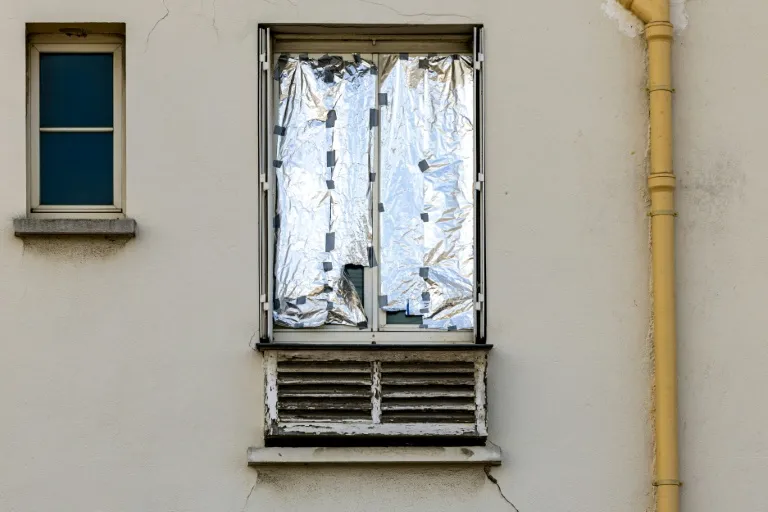
Record-breaking summer temperatures across France are prompting a significant shift in how prospective homebuyers evaluate properties. Apartments, particularly those on top floors of older buildings, are becoming less desirable if they lack adequate cooling and ventilation, as buyers increasingly factor climate resilience into their purchasing decisions. This evolving market dynamic highlights a growing concern over the long-term liveability of homes in the face of intensifying heatwaves.
Heat Traps and Buyer Concerns
In Paris, the intense summer heat transformed top-floor apartments in Haussmann-era buildings, with their characteristic zinc roofs, into stifling environments. Estate agents are observing a tangible change in buyer priorities. Joseph Denke, an agent with FredeLion in Paris, noted that potential buyers are now actively wary of south-facing windows, which can exacerbate indoor heat. This concern was echoed by Camille Couturier, a 30-year-old looking for a new flat. During a viewing, the lack of cross-ventilation in a studio apartment under the eaves, with windows on only one side, was a significant drawback.
Couturier expressed a forward-looking perspective, stating, “We’re seeing that heatwaves are happening in June, or even May.” He is planning for the future, considering at least a 10 to 15-year horizon, and questioning whether he will be able to “live comfortably” in a property or if he might eventually be “forced to flee… because it’s too hot.”
These concerns are not isolated. A study by Pouget Consultants and IGNES revealed that approximately half of all homes in France are essentially heat traps. Further evidence comes from a survey conducted by the classified ads platform Leboncoin in June. Out of 1,750 users polled, eight out of ten reported experiencing discomfort during extreme heat periods. Alarmingly, one-third indicated they would consider relocating if heatwaves became more severe.
Climate Change and Housing Choices
Experts attribute these intensifying heat events to climate change. France’s national weather agency has warned that future summers are expected to be hotter than those experienced historically. As France braced for its fifth heatwave of the season, the agency reiterated that hotter summers are the new norm.
Sophie Bourg, marketing director at Leboncoin, emphasized that heatwaves are now “firmly recognized as a structural factor in housing choices” within France. She added, “Coolness and summer comfort have become a property criterion in their own right.” This signifies a fundamental shift from viewing such factors as mere amenities to essential requirements for a home.
New Priorities: Ventilation, Shading, and Comfort
The criteria buyers and tenants are now considering extend beyond the property’s immediate features. Factors such as the ability to create cross-draughts, the presence and effectiveness of shutters, the orientation of the building, the floor level, and even the availability of outdoor spaces like shaded terraces or nearby trees are increasingly important. Swimming pools and air conditioning are also high on the list.
Yann Jehanno, president of the Laforet estate agency network, observed that buyers are now scrutinizing a property’s overall liveability. He stated, “They are asking estate agents very practical questions about temperatures during the last heatwave, whether it is possible to ventilate the home at night, and whether people sleep well in the bedrooms.”
Impact on Property Appeal
This heightened awareness of thermal comfort is already affecting the marketability of certain properties. Christian Tokoto, an estate agent with Guy Hoquet Paris 5 Maubert, shared an experience of trying to sell a well-located apartment in Paris’s fifth district. Despite its desirable features, including large windows, potential buyers consistently cited the heat as a deterrent due to the lack of cross-ventilation, leaving the property unsold.
Air Conditioning: From Taboo to Selling Point
Air conditioning, once often disdained in France, is rapidly shedding its negative image. Jehanno confirmed that it is “no longer taboo at all” and is becoming a significant asset. For many buyers, especially in apartment buildings where installing new units can be complex due to regulations and permissions, pre-existing air conditioning is a “huge selling point,” according to Laetitia Caron, CEO of real estate media company PAP. Sellers are adapting by highlighting features that promote summer comfort, such as air conditioning and functional shutters, more prominently in their property listings.
A Lasting Change in Housing Attitudes
While the full extent of the heatwaves’ impact on residential choices is still unfolding, and an immediate “exodus” is not yet apparent, the underlying attitudes have clearly shifted. Bourg noted that while location and opportunities were once primary drivers, buyers are now also making decisions based on “climatic comfort”—a novel consideration.
Jehanno believes these trends indicate a permanent change in buyer behavior, directly influenced by climate change. He pointed to the cumulative challenges posed by heatwaves, wildfires, and other extreme weather events. These escalating risks, he explained, make it increasingly difficult for individuals to make long-term financial commitments, such as planning for the 10 to 20 years of a mortgage, without considering the future environmental conditions of their potential homes.
The French property market is thus entering a new era, where thermal comfort and climate resilience are no longer secondary considerations but central to the definition of a desirable and liveable home.
