

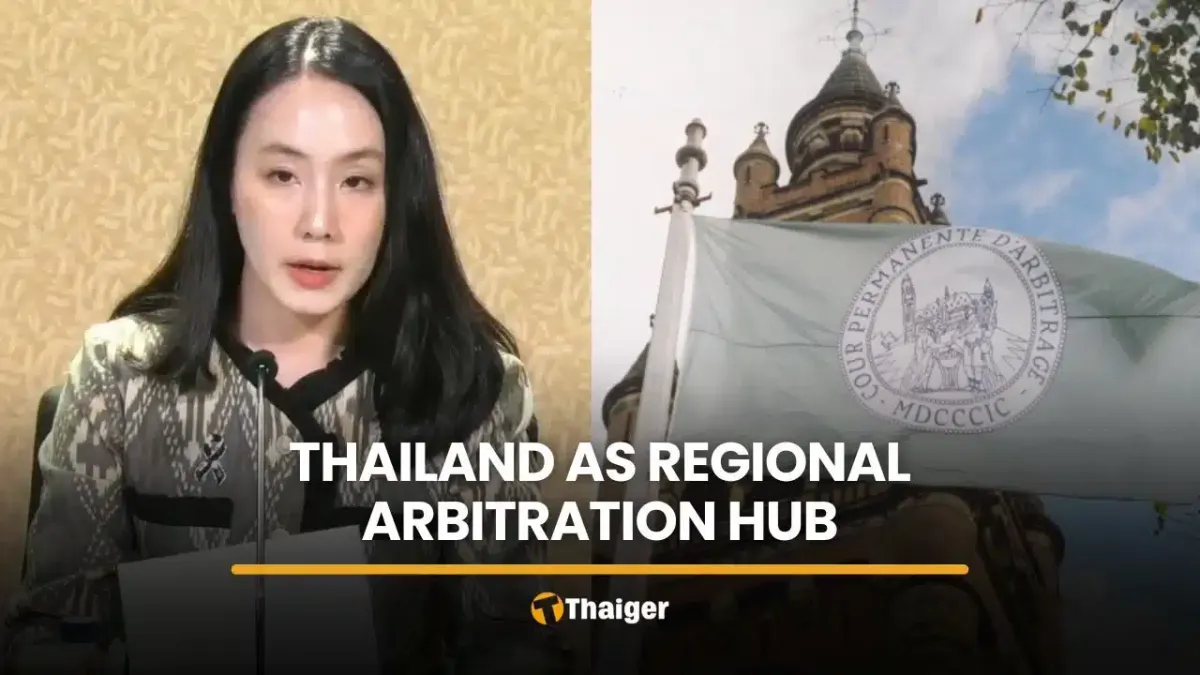
Thailand is set to bolster its position as a key center for international dispute resolution following the Cabinet’s approval of a draft host country agreement with the Permanent Court of Arbitration (PCA). This strategic move aims to establish the nation as a prominent regional hub for settling international disputes, enhancing its legal and diplomatic standing.
Thailand’s Strategic Push for Regional Arbitration Leadership
The Thai Cabinet has given its endorsement to a crucial draft host country agreement with the Permanent Court of Arbitration (PCA). This agreement is a cornerstone of a broader initiative designed to position Thailand as a leading regional venue for the resolution of international conflicts. Deputy government spokesperson Lalida Persvivatana announced that the Cabinet also gave its in-principle approval to a draft royal decree that will confer essential privileges and immunities upon the PCA and individuals associated with its operations within Thailand. The primary objective of these measures is to facilitate the effective conduct of meetings, hearings, and dispute resolution proceedings by the PCA on Thai soil.
The Permanent Court of Arbitration is a globally recognized intergovernmental organization that offers arbitration services, playing a vital role in the peaceful settlement of disputes between states. Thailand holds a significant historical connection with the PCA, being one of its founding members and a signatory to the 1907 Convention for the Pacific Settlement of International Disputes. This long-standing relationship underscores Thailand’s commitment to international law and peaceful conflict resolution.
Key Provisions of the Host Country Agreement
The PCA initially proposed a host country agreement with the Thai government back in 2019. The aim was to provide a framework for supporting PCA activities held in Thailand, including hearings, conferences, and seminars. The recently approved draft agreement outlines the specific support Thailand will provide to the PCA’s dispute resolution endeavors. This support encompasses the provision of essential resources such as office space, suitable meeting venues, utilities, and other necessary services.
Furthermore, the agreement meticulously details the privileges and immunities that will be extended to the PCA, its officials, arbitrators, and participants. These provisions are designed to ensure that all parties involved can carry out their duties independently and without undue interference. Key immunities include those pertaining to the PCA’s property and official documents, exemptions from certain taxes and duties, and streamlined immigration procedures for PCA officials and adjudicators. Importantly, these rights and immunities are granted strictly to the extent required for the PCA’s official functions and remain within the bounds of Thai law, ensuring national sovereignty is respected.
Government Coordination and Support Mechanisms
To ensure the smooth implementation of the agreement, the Cabinet has designated the Ministry of Justice as the principal government agency responsible for coordination. The Ministry of Interior will take the lead on matters related to the waiver of visa fees for PCA personnel, facilitating easier entry and stay. Various tax authorities will operate under existing legal frameworks to grant the tax and duty privileges stipulated in the agreement.
The Thai Arbitration Institute is set to play a crucial role in providing physical infrastructure. It will offer office spaces, meeting rooms, hearing rooms, and utility services free of charge. This complimentary provision is capped at a maximum of 30 days per financial year, with an estimated value of approximately US$45,000 (around 1.5 million Thai Baht). For supplementary services, such as translation or audio recording, the responsibility will lie with the disputing parties themselves or with the PCA.
Anticipated Benefits and International Implications
Lalida Persvivatana expressed optimism about the agreement’s potential, stating that it would significantly strengthen Thailand’s capacity and role in resolving international disputes. She also highlighted the opportunities it would create for the nation’s legal sector, fostering growth and expertise.
Beyond the immediate legal and economic benefits, the Thai government anticipates that this initiative will elevate the country’s influence in shaping international law and global dispute settlement mechanisms. By actively participating in and hosting such high-level international legal proceedings, Thailand can gain a more prominent voice in the development of global legal norms and practices.
Treaty Status and Constitutional Framework
The Ministry of Foreign Affairs has classified the draft agreement as a treaty under international law. In accordance with Section 178 of the Thai Constitution, treaties of this nature require Cabinet approval before they can be signed and enter into force. However, it is important to note that this specific agreement does not fall under the category of treaties that necessitate parliamentary approval, streamlining the ratification process.
Conclusion: A Step Towards Enhanced Regional Influence
The Cabinet’s decision to approve the host country agreement with the Permanent Court of Arbitration marks a significant milestone for Thailand. It signals a clear commitment to fostering a robust environment for international dispute resolution within the region. By leveraging its strategic location, legal expertise, and commitment to international cooperation, Thailand is positioning itself not just as a host nation, but as an active participant and shaper of international legal frameworks, promising a future of enhanced diplomatic and legal influence.
