

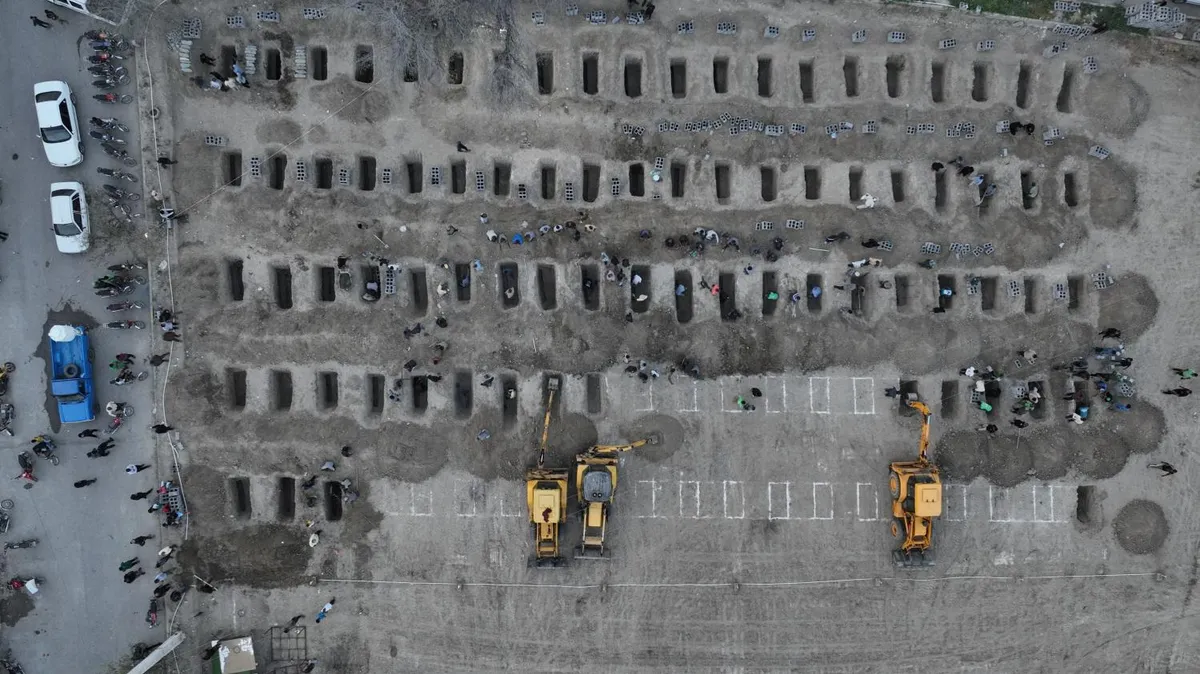
The brutal realities of warfare have long prompted questions about humanity’s capacity to protect individuals during armed conflict. This fundamental challenge is addressed by the evolving framework of the laws and customs of war, now widely recognized as International Humanitarian Law (IHL). IHL seeks to mitigate the suffering caused by war by setting limits on the means and methods of warfare and by protecting those who do not participate in hostilities, such as civilians and prisoners of war.
The Evolution and Scope of International Humanitarian Law
International Humanitarian Law is a body of rules, stemming from treaties and customary international law, that aims to protect persons who are not or are no longer participating in hostilities and to restrict the means and methods of warfare. Its origins can be traced back centuries, with early attempts to codify rules for warfare evident in various cultural and religious traditions. However, the modern era of IHL largely began with the establishment of the International Committee of the Red Cross (ICRC) and the adoption of the first Geneva Convention in 1864.
The core principles of IHL are based on the idea of humanity and the necessity of distinguishing between combatants and non-combatants. Key tenets include:
- Distinction: Parties to a conflict must distinguish between civilians and combatants, and between civilian objects and military objectives. Attacks may only be directed against military objectives.
- Proportionality: Even when attacking a legitimate military objective, precautions must be taken to avoid or minimize incidental loss of civilian life, injury to civilians, and damage to civilian objects. The anticipated military advantage must not be excessive in relation to the expected collateral damage.
- Precaution: All feasible precautions must be taken in the choice of means and methods of attack to avoid, and in any event to minimize, incidental loss of civilian life, injury to civilians, and damage to civilian objects.
- Humanity: Prohibits the infliction of suffering not necessary for achieving a legitimate military purpose. This includes prohibitions on torture, cruel treatment, and taking of hostages.
IHL applies to all situations of armed conflict, whether international (conflicts between states) or non-international (conflicts within a state). The Geneva Conventions and their Additional Protocols form the cornerstone of IHL, providing detailed protections for wounded and sick soldiers, prisoners of war, and civilians in times of war.
Key Protections Afforded by IHL
International Humanitarian Law provides a wide array of protections designed to safeguard individuals and limit the destructive impact of war. These protections are crucial for maintaining a degree of humanity even amidst the chaos of conflict.
Protection of Civilians
Civilians are afforded special protection under IHL. They are prohibited from being the object of direct attack. This means that deliberate targeting of civilians or civilian objects, such as homes, schools, hospitals, and places of worship, is a grave breach of IHL and constitutes a war crime. IHL also mandates that parties to a conflict must take all feasible precautions to protect civilians under their control against the effects of attacks. This includes refraining from locating military objectives within densely populated areas and evacuating civilians from the vicinity of military operations when possible.
Protection of Wounded and Sick
The Geneva Conventions place a strong emphasis on the care of the wounded and sick, whether they are combatants or civilians. Medical personnel, medical units, and medical transports are protected and must not be attacked. They are entitled to respect and protection and must be allowed to carry out their humanitarian functions. The wounded and sick must be collected and cared for by the party to the conflict who is in control of them, without adverse distinction.
Treatment of Prisoners of War (POWs)
Individuals who have fallen into the power of the enemy during an international armed conflict are considered prisoners of war (POWs) and are entitled to specific protections. They must be treated humanely at all times and protected against violence, intimidation, and insults. POWs must be provided with adequate food, clothing, and medical care. They are also entitled to maintain correspondence with their families and to receive relief parcels. While POWs can be detained for security reasons, they cannot be subjected to torture or cruel, inhuman, or degrading treatment. They can be compelled to give only information that identifies them, such as name, rank, date of birth, and army, regimental, service, or arm number.
Prohibition of Certain Weapons and Methods of Warfare
IHL also regulates the means and methods of warfare. Certain weapons and tactics are prohibited because they are inherently indiscriminate or cause unnecessary suffering. Examples include blinding laser weapons, chemical and biological weapons, and anti-personnel landmines (though many states are party to conventions banning these). The principle of proportionality further restricts the use of weapons that might cause excessive civilian harm relative to the military advantage gained.
Challenges and the Future of IHL
Despite the robust framework of International Humanitarian Law, its application in contemporary conflicts faces significant challenges. The nature of modern warfare, often involving non-state armed groups, asymmetric tactics, and the blurring lines between combatants and civilians, complicates the clear application of IHL. Furthermore, ensuring accountability for violations remains a persistent issue, with political considerations and the difficulty of gathering evidence in active conflict zones posing obstacles.
Professor Emeritus Vitit Muntarbhorn, a distinguished legal scholar and former UN Special Rapporteur, has extensively researched the complexities of international law, particularly in the Asian region. His work, including his forthcoming book on IHL in ASEAN, highlights the ongoing need to understand and strengthen the application of these vital legal principles. As conflicts continue to erupt globally, the commitment to upholding International Humanitarian Law is more critical than ever. It represents a fundamental expression of humanity’s desire to mitigate suffering and preserve dignity, even in the darkest of times.
The ongoing development and consistent application of IHL are essential for protecting vulnerable populations, limiting the devastation of war, and fostering a more humane global order. Continued dialogue, robust enforcement mechanisms, and widespread adherence by all parties to conflict are paramount to ensuring that the protections afforded by International Humanitarian Law are realized in practice.
