

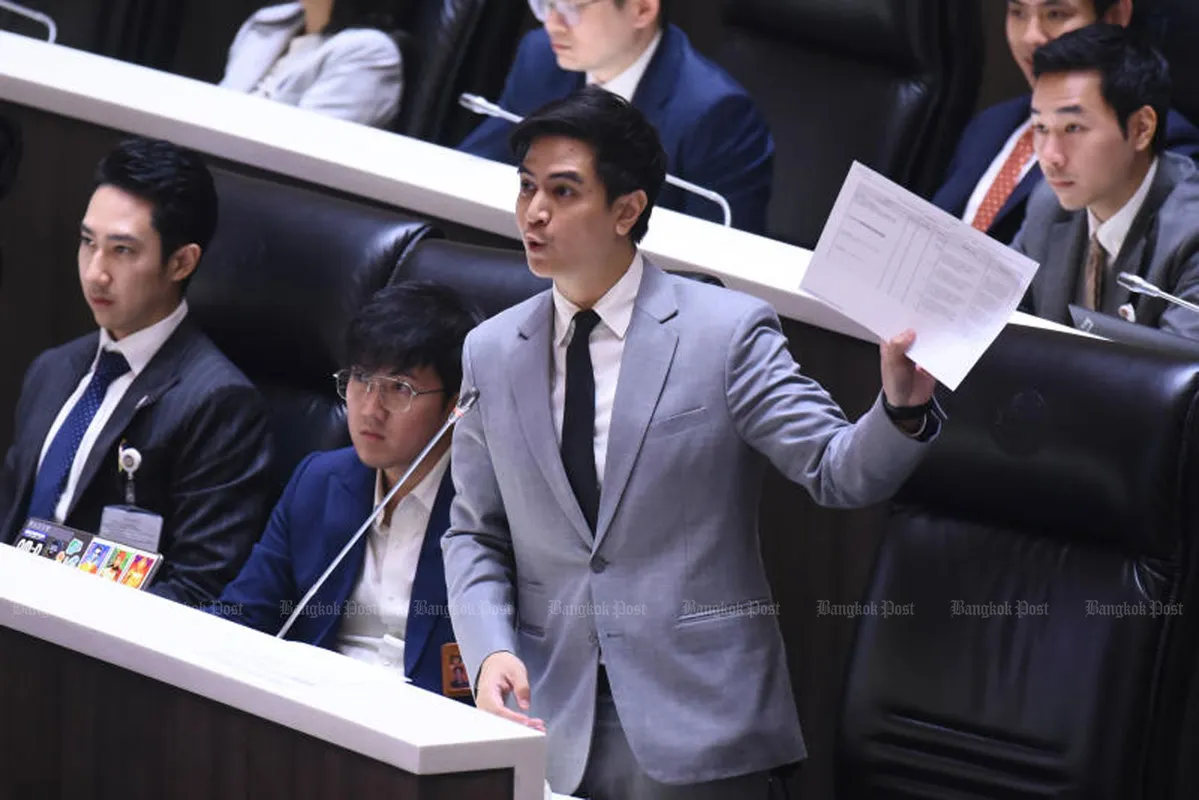
Opposition parties are finalizing preparations to file a no-confidence motion against government ministers by the end of September. A dedicated working group has been established to meticulously detail the motion and identify the specific ministers slated for censure. This move signals a significant escalation in parliamentary scrutiny, aiming to hold key figures accountable for their performance and alleged misconduct.
Key Areas of Focus for the No-Confidence Motion
The opposition’s strategy for the no-confidence debate centers on three primary categories of issues. The first category encompasses matters already in the public eye, including allegations of irregularities in local government examinations, suspected collusion during the recent Senate elections, and concerns surrounding the TH-AI Passport project. The latter is reportedly under the purview of a specific ministry, highlighting potential administrative failings.
The second category involves sensitive issues that the opposition has been diligently investigating. These matters, while not yet public knowledge, are supported by gathered evidence and are expected to form a crucial part of the censure arguments. This approach suggests a proactive and thorough investigative stance by the opposition.
The third and final category is dynamic, contingent on any new significant developments or emerging issues that may surface between the current date and the commencement of the no-confidence debate. This flexibility allows the opposition to incorporate timely and relevant concerns, ensuring the debate remains pertinent and impactful.
Targeted Ministers and Supporting Evidence
Discussions among opposition parties have begun to identify the specific ministers who will be the focus of the no-confidence motion. A recent gathering of opposition leaders saw each party tasked with the responsibility of collecting corroborating information to support their claims against potential targets. While the full list is still under review, two ministers have reportedly been agreed upon as initial targets: Mr. Anutin and Mr. Chaichanok.
The selection of ministers is expected to be based on substantial evidence demonstrating a failure to uphold public interest or a perceived prioritization of personal or specific group interests over governmental duties. Mr. Parit emphasized that if evidence substantiates such claims against any minister named in the motion, those issues will be integral to the debate.
Mr. Anutin, who holds the dual roles of Prime Minister and Interior Minister, is a prominent figure within the Bhumjaithai Party. Mr. Chaichanok, identified as the party’s secretary-general and the son of Bhumjaithai Party patriarch Newin Chidchob, also faces potential censure. The potential implication of figures associated with Buri Ram, a region closely linked to Mr. Newin Chidchob, has been noted, though Mr. Parit indicated this would strictly depend on the evidence presented.
Senate Election Case and Potential Influence
The upcoming ruling by the Election Commission (EC) regarding alleged collusion in the Senate elections, anticipated on Monday, is viewed by Mr. Parit as a separate matter from the no-confidence motion preparations. However, recent developments surrounding the case could indirectly impact the political landscape.
A leaked document reportedly obtained by reporters on Friday indicated that a witness in the Senate collusion case has sought to retract his testimony. The witness claims he was coerced into implicating the Bhumjaithai Party. This development surfaced just before a critical EC meeting scheduled to deliberate on complaints involving 229 individuals implicated in a two-year investigation into the 2024 Senate elections.
The extensive investigation covers a significant number of individuals, including 138 current senators and several senior members of the Bhumjaithai Party, notably Mr. Anutin. The witness, identified as a former Bhumjaithai member, reportedly submitted a written statement to the EC chairman on October 29 of the previous year, detailing his alleged coercion.
Conclusion
The opposition’s planned no-confidence motion represents a significant parliamentary challenge to the current government. By focusing on a range of issues, from public domain concerns to internally investigated matters, and by targeting key ministerial figures, the opposition aims to exert considerable pressure. The unfolding developments in the Senate election case, while officially deemed separate, add another layer of complexity to the political environment as the deadline for submitting the motion approaches.
