

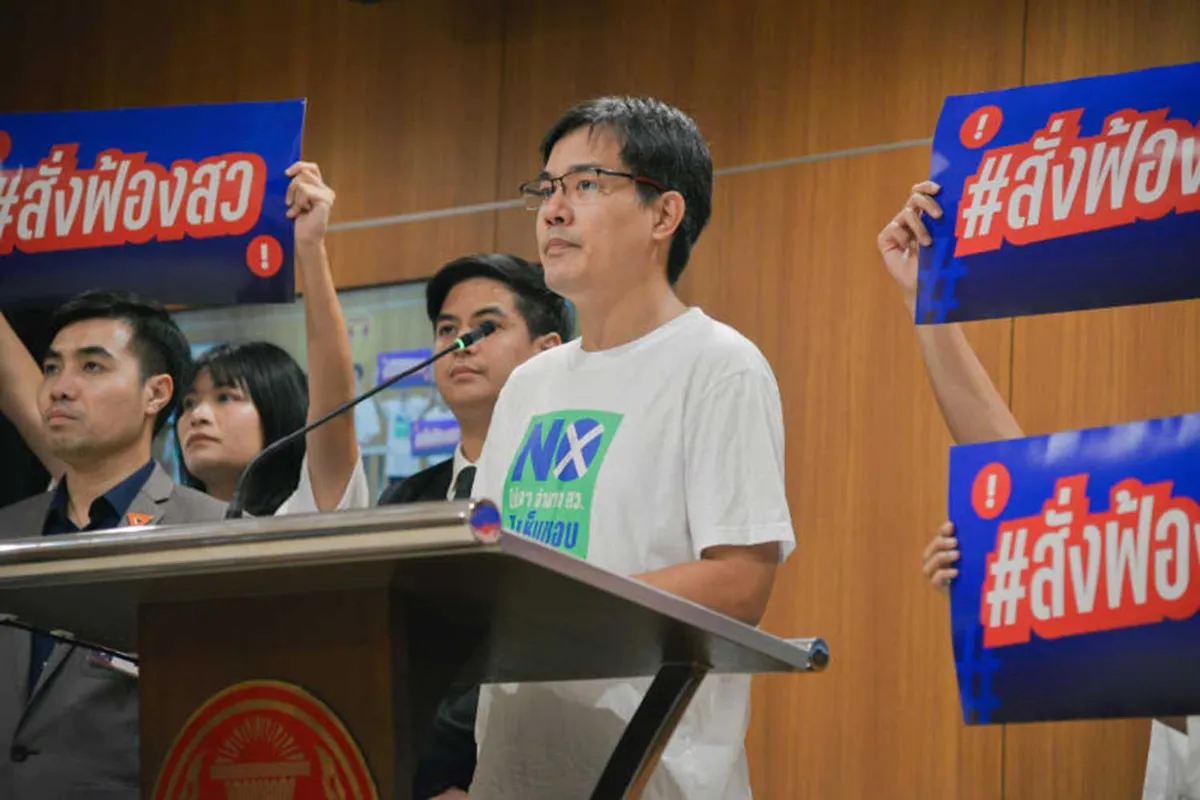
Prime Minister Anutin Charnvirakul has initiated legal proceedings, filing a defamation lawsuit against Yingcheep Atchanont, the director of the legal advocacy group iLaw. The lawsuit stems from public statements made by Atchanont that allegedly linked the Prime Minister to supposed collusion concerning the upcoming 2024 Senate elections. Despite the legal action, Anutin has asserted that the lawsuit is not an attempt to suppress dissenting voices or stifle criticism.
Background of the Lawsuit
The core of the defamation case revolves around comments made by Yingcheep Atchanont, who heads iLaw, an organization known for its work on legal reform and monitoring political processes in Thailand. Atchanont’s remarks, which were widely reported, suggested a potential connection between Prime Minister Anutin and alleged irregularities or collusion in the organization of the 2024 Senate elections. While the specifics of the alleged collusion were not detailed in the initial reports, the implication was enough to prompt the Prime Minister to seek legal recourse.
Prime Minister Anutin, who also serves as the leader of the Bhumjaithai Party, has consistently maintained his commitment to democratic principles and fair electoral processes. In response to the lawsuit being filed, he emphasized that the legal action was a necessary step to protect his reputation against what he considers baseless accusations. He further clarified that the intention behind the lawsuit is not to intimidate or silence critics but rather to address specific defamatory statements that he believes have caused harm.
iLaw and its Role
iLaw (Internet Law Reform Dialogue) is a prominent non-governmental organization in Thailand that focuses on promoting legal reform, advocating for human rights, and enhancing public participation in the legal and political spheres. The organization has a history of scrutinizing government actions, electoral processes, and legislative developments. Its work often involves providing analysis, raising public awareness, and supporting legal challenges to policies or practices deemed to be detrimental to democratic norms or fundamental rights.
The 2024 Senate elections in Thailand are a significant event, as the Senate plays a crucial role in the country’s political landscape, including its power to scrutinize legislation and its influence on government appointments. Given the importance of these elections, iLaw, through its director Yingcheep Atchanont, has been actively monitoring and commenting on the preparations and potential issues surrounding the electoral process. The organization’s public statements are typically based on its research and analysis of legal frameworks and observed political dynamics.
Prime Minister Anutin’s Stance
In his public statements following the filing of the lawsuit, Prime Minister Anutin reiterated his respect for freedom of expression. However, he drew a distinction between legitimate criticism and what he termed as slander or defamation. He argued that while public figures are open to scrutiny and debate, accusations that are unfounded and damaging to their reputation cross a legal line. The Prime Minister’s legal team is expected to present evidence to support the claim of defamation.
Anutin’s administration has often faced public scrutiny and criticism from various civil society groups and political opponents. The Prime Minister has, in the past, addressed such criticisms by engaging in public discourse or by taking legal measures when he believes his reputation or the integrity of his office has been unfairly attacked. This latest lawsuit is seen by some as part of a broader pattern of legal challenges initiated by public figures against critics in Thailand, a practice that has raised concerns among human rights advocates regarding its potential impact on civic space.
Legal Ramifications and Public Reaction
The defamation lawsuit filed by Prime Minister Anutin against Yingcheep Atchanont will proceed through the Thai legal system. Defamation is a criminal offense in Thailand, carrying potential penalties including imprisonment and fines. The outcome of the case will depend on the evidence presented by both sides and the court’s interpretation of the law regarding public statements and the protection of reputation.
The legal action has generated considerable public interest and debate. Supporters of the Prime Minister view the lawsuit as a legitimate defense against unwarranted attacks on his character and the electoral process. Conversely, critics and human rights organizations have expressed concern that such lawsuits could have a chilling effect on free speech and investigative journalism, potentially discouraging individuals and organizations from speaking out on matters of public interest. They argue that using defamation laws against critics can be a tool to silence opposition and limit transparency.
iLaw and its director have stated their intention to defend themselves vigorously in court. They maintain that their comments were made in good faith, based on their analysis of the electoral process, and were intended to inform the public and ensure the integrity of the upcoming Senate elections. The organization has a track record of engaging with legal challenges and has often used such instances to highlight issues related to freedom of expression and the role of civil society.
Conclusion
The defamation lawsuit filed by Prime Minister Anutin Charnvirakul against iLaw director Yingcheep Atchanont over remarks concerning the 2024 Senate elections highlights the ongoing tension between protecting public figures’ reputations and upholding freedom of speech. As the legal process unfolds, it is expected to draw further attention to the role of civil society organizations in monitoring elections and the legal framework governing public discourse in Thailand. The Prime Minister’s assertion that the suit is not intended to silence critics will be tested as the case progresses through the courts, with implications for the broader landscape of public debate and accountability.
