

BMA Corruption Claims Surface, Stirring Bangkok Governor Campaign
Allegations of a clandestine network influencing appointments and generating illicit income within the Bangkok Metropolitan Administration (BMA) have emerged, adding a contentious dimension to the ongoing campaign for the city’s governor.
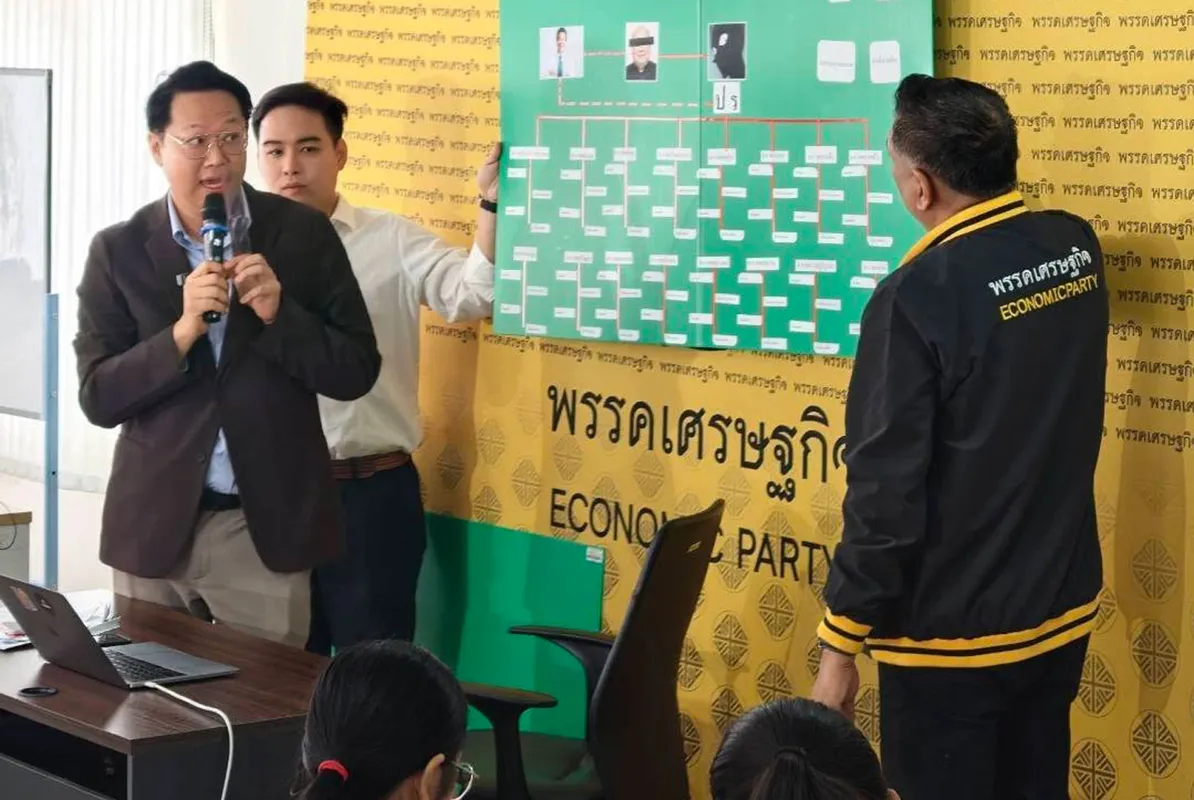
A political figure, who described a behind-the-scenes group as the “Agong regime,” claimed this network operated independently of the current administration. This group, he asserted, functioned as a de facto “shadow governor” influencing decisions during the tenure of incumbent Bangkok Governor Chadchart Sittipunt, who is seeking re-election.
Governor Chadchart has publicly refuted these claims.
The term “Agong,” often referring to a paternal grandfather, is sometimes used in political discourse to signify a respected elder figure.
Details of the Alleged Network
During a press conference, an organizational chart was presented to illustrate the alleged network. This structure reportedly included public officials appointed by the governor, as well as an individual identified only by the initials “Por Ror.” This individual was described as being part of a broader “Chula Connection” network.
Further accusations detailed demands for payments up to 4 million baht in exchange for appointments to district director positions. These claims were reportedly based on complaints from assistant directors who opposed the alleged system.
It was also alleged that district offices generated illicit funds through various departments, including law enforcement, sanitation, environment, and public works. This was reportedly achieved through inflated fees and informal charges associated with licenses and inspections.
An audio recording was played during the press conference to substantiate these accusations.
According to the accuser, candidates seeking promotion were allegedly invited to clandestine meetings with the individual in question at a location in the Sutthisan area. Attendees were reportedly required to leave their mobile phones outside before discussions commenced. Those who declined to make payments were allegedly denied promotions.
“Everything in the BMA is run by Agong who acts as the real governor behind the scenes while the one who formally signed off on decisions was Mr Chadchart,” the accuser stated.
Questions were also raised regarding the transparency of appointments for several district directors across Bangkok, with inquiries into whether certain officials had financially secured their positions.
The accuser suggested that district office directors, whose monthly salaries range between 50,000 and 70,000 baht, would likely require additional income sources to attain their posts.
He characterized the alleged 4-million-baht payment as a “concession fee,” enabling district directors to profit from their assigned areas, regardless of the Governor’s potential denial of involvement.
Economic Party’s Stance on Corruption
The Economic Party, known for its nationalist and libertarian economic principles, secured three list seats in the February 8 general election and is a participant in the Bhumjaithai-led coalition government. During the election campaign, the party advocated for a stringent anti-corruption law, proposing the death penalty for the most severe offenses, with executions to occur within one year of a Supreme Court ruling.
Denials and Reactions
Torsak Chotimongkol, a former chairman of the Bangkok governor’s advisory team, has vehemently denied any participation in the alleged buying of positions. He indicated that he did not intend to respond directly to the allegations as they did not specifically name him.
“The truth is the truth and the public should make its own judgement,” Mr. Chotimongkol commented.
He also stated that his legal team is evaluating the possibility of legal action and emphasized the importance of conducting election campaigns constructively.
Governor Chadchart expressed his support for Mr. Chotimongkol amidst the controversy, stating that they would continue to move forward together.
