

The Bangkok International Film Festival (BFFF) is set to captivate audiences with a rich and diverse selection of films from around the globe. This year’s festival promises a cinematic journey, featuring acclaimed works and emerging talents that explore a wide spectrum of human experiences, historical contexts, and cultural narratives. Screenings will take place at various venues, including Paragon Cineplex, Central FS World, House Samyan, and the Bangkok Art and Culture Centre (BACC).
Festival Highlights and Key Films
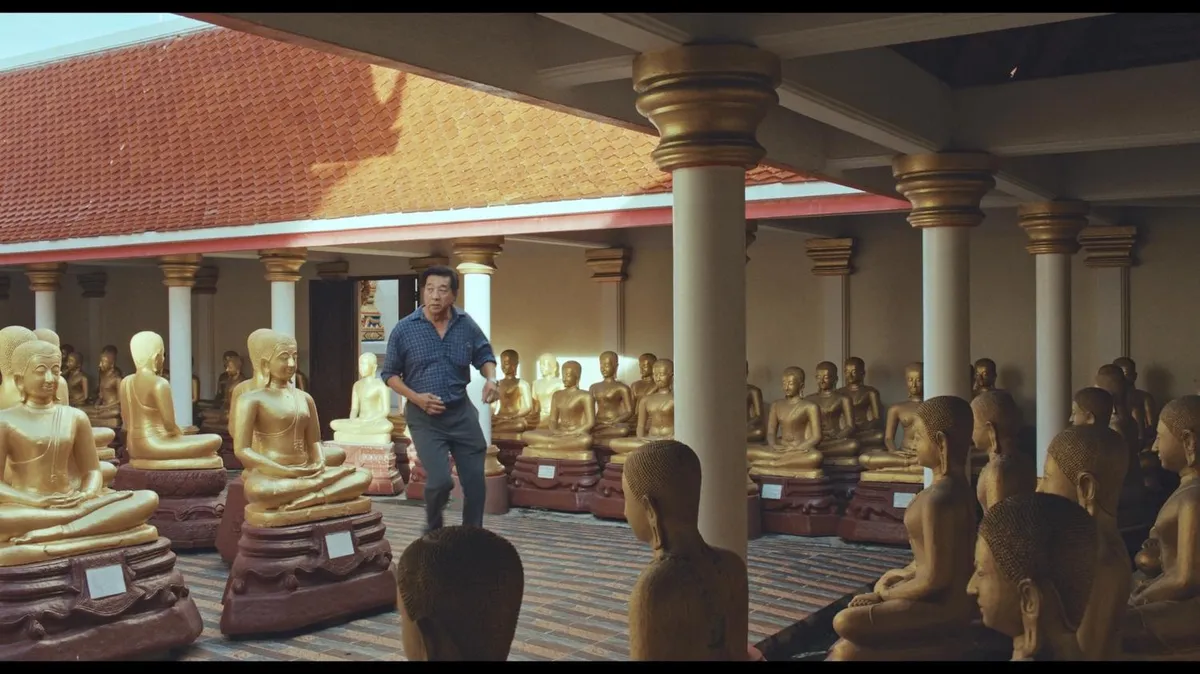
The festival will open with the highly anticipated film Temples of Heaven 9, directed by Mahnaz Afsari. This Iranian drama delves into profound questions about faith, the structure of society, and the human condition, particularly as it relates to life and death. The narrative follows a family undertaking a nine-day pilgrimage, hoping for a miracle to extend their lives. The film also touches upon the role of Buddhism and the institution of faith in shaping perceptions of life and death, representing contemporary Thailand.
Another significant entry is The Fatherland, directed by Pawel Pawlikowski. This black and white film chronicles a master storyteller’s road trip through his war-torn country and the remnants of his soul. It explores the concept of culture, particularly the “glorious German culture” that was once believed to be championed not just by intellectuals but also by the Nazis. The film questions what culture truly is, as the protagonist navigates his homeland amidst the ruins of his country and his shattered soul.
The festival will also feature The Island Nanny, directed by Zhang Dalei. This German film is set in the 17th century and tells the story of a woman who arrives at a secluded, picturesque manor, presenting herself as a captivating man. She earns the respect of the locals and offers one of her daughters in marriage to one of them. The film is described as a dark, unsettling tale where everything turns grim before the end, with humor woven into the narrative. It also highlights the realization that identity is more important than politics.
The Last Reel, directed by Sara Qashai, is presented as one of the most anticipated films from the Arabic-speaking world. It focuses on two siblings, Layal and Shamas, who must stop their 12-year-old brother from fighting. The film is set in a war-ravaged country, where a sign proclaims “No Weapons. No Politics. No Men.” The narrative centers around a women-run petrol station, where the film The Goat of Ines is being screened.
Other notable films include:
- The Elephant in the Room, directed by Shabnam Kalbasi, which follows a family running a petrol station.
- The White Rose, directed by Marine Gschliesser, about a community of transgender people living on the edge of a forest in Nepal.
- The Complex Man, directed by Zhang Dalei, exploring the strange texture of the “Wild East of Europe.”
- The Lovers in Night, a quiet love story about two friends.
- All of Us Are Suddenly, a 97-minute film about aging, capitalism, work, and the theatre.
- The Prisoner and the Samurai, a mesmerizing film about Japan’s dark history.
- Sixteen Japanese Films, a collection of films showcasing Japanese cinema.
Exploring Themes of Identity and Society
Several films at the festival delve into complex themes of identity, societal structures, and historical memory. The Island Nanny, for instance, examines the nuances of gender presentation and societal expectations. Meanwhile, The Last Reel and Temples of Heaven 9 confront the impact of war, faith, and political turmoil on individuals and families.
The German film The Island Nanny, set in the 17th century, is noted for its exploration of identity and societal roles. The narrative follows a woman who presents herself as a man to gain respect and secure a marriage for her daughter. The film’s dark humor and commentary on politics suggest that identity is paramount, even above political maneuvering.
The Complex Man, a German film, invites viewers to evaluate their perceptions of Europe, particularly Eastern Europe, through its collection of shadowy characters and its peculiar texture. The film’s description suggests it is a haunting piece that delves into the complexities of the region.
The Goat of Ines, a community-based film, focuses on the practice of communal tributes where killers and victims meet on village grounds. The lines between perpetrator and victim are often blurred, reflecting a history of violence that has been passed down through generations, much like a hereditary disease.
A Global Cinematic Showcase
The Bangkok International Film Festival continues its tradition of bringing world-class cinema to Thailand. The selection this year spans continents, offering audiences a chance to experience diverse storytelling from filmmakers like Zhang Dalei, Pawel Pawlikowski, and Mahnaz Afsari. The festival aims to foster cultural exchange and appreciation for the art of filmmaking.
The festival’s commitment to showcasing a wide array of international cinema ensures that there is something for every film enthusiast. From historical dramas and social commentaries to intimate character studies, the BFFF provides a platform for both established and emerging cinematic voices. All screenings are free of charge, making the festival accessible to a broad audience.
The festival is a significant cultural event for Bangkok, drawing attention to the city as a hub for international arts and culture. It offers a unique opportunity for audiences to engage with different perspectives and narratives from around the world, enriching their understanding of global cinema and human experience.
