

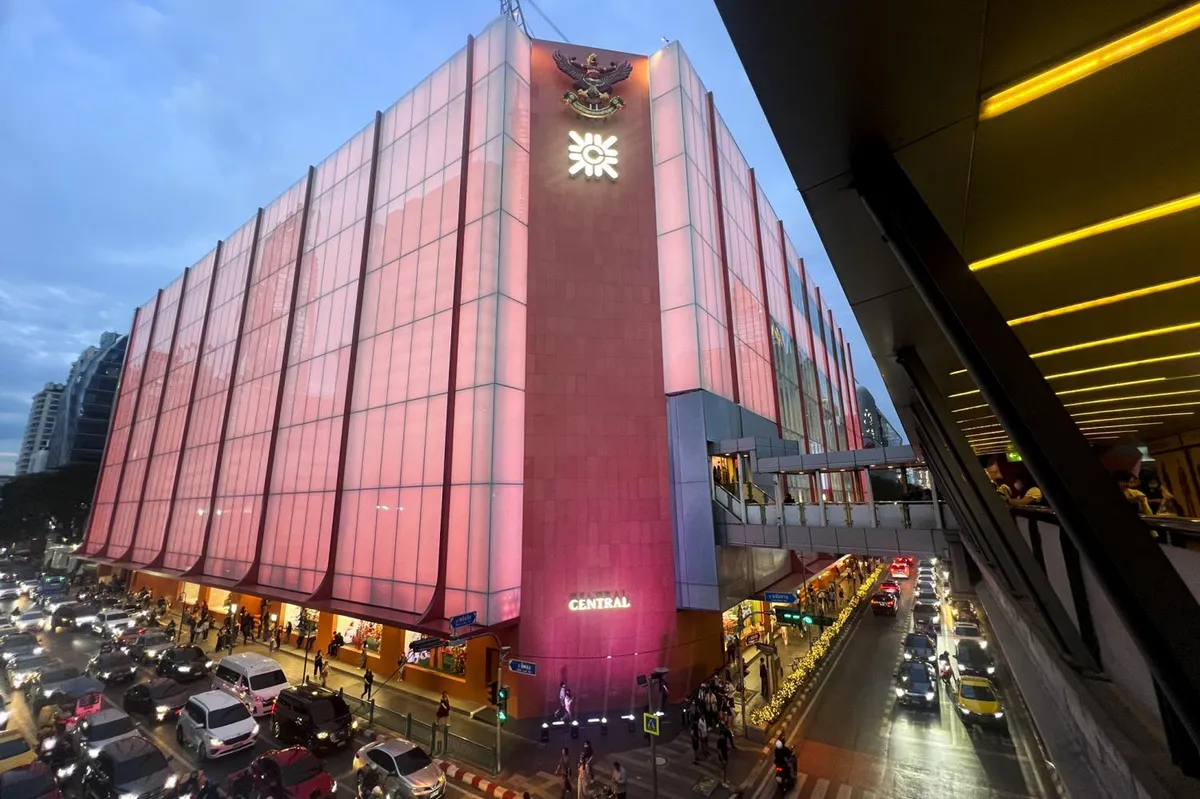
Bangkok’s Retail Market Adapts to Evolving Consumer Demands
The retail sector is demonstrating remarkable resilience, navigating softer consumer spending and moderating growth nationwide. Analysis from leading property consultancies indicates a market poised for a new phase of expansion, driven by strategic repositioning and a focus on experiential retail.
Shifting Landscape: Location and Connectivity Drive Development
Bangkok’s retail supply saw a marginal decrease in the first quarter of 2026, underscoring the market’s stability amidst economic uncertainties. Development is increasingly bifurcating between localized community malls and large-scale shopping centers strategically located near mass-transit corridors. This trend signifies a departure from traditional central business district (CBD) reliance, with developers prioritizing areas connected to BTS and MRT networks to capitalize on sustained foot traffic and long-term asset performance.
Occupancy Rates Show Strong Performance
Overall occupancy rates have surged over the past year, bolstered by the strong performance of entertainment-focused destinations and the continued expansion of luxury and premium international brands. Occupancy reached 89% in the first quarter of 2026, a notable increase from 85% the previous year and significantly higher than the 84% recorded for much of 2024. This improvement is particularly evident in retail projects that successfully integrate entertainment, lifestyle, and experiential elements alongside traditional shopping.
While a slight moderation to 87% occupancy is anticipated by year-end due to new supply entering the market, performance is expected to remain robust by regional standards. The retail landscape is undergoing a fundamental shift, with landlords adapting to evolving consumer behavior and heightened competition.
Repositioning for Success: Experience Over Retail Space
The retail sector is characterized as a “year of repositioning” in 2026, as landlords adjust to changing consumer habits. Bangkok’s retail stock is substantial, with ongoing development expected to increase supply. However, this growth is creating a polarization between well-positioned, relevant assets and older properties struggling to maintain appeal.
Jariya Thumtrongkitkul, head of retail and group transaction management at CBRE Thailand, highlighted a fundamental shift in what drives footfall. “Customers are still spending, but the reasons for visiting have changed,” she stated. Dining, leisure, wellness, services, and community-focused experiences are now playing a far more significant role in destination selection than traditional retail formats alone.
The long-standing benchmark of allocating 70% of space to retail and 30% to food and beverage is becoming less relevant. Higher-performing projects are increasingly dedicating more space to wellness facilities, lifestyle services, leisure activities, and community uses. “Not every zone needs to remain traditional retail,” Ms. Jariya remarked. Underutilized rooftops are being transformed into dining venues, while low-traffic corridors are being repurposed as wellness centers, educational facilities, and service-oriented spaces. This shift reflects a broader evolution in retail property strategy, with landlords focusing on creating destinations rather than merely leasing shop units.
Rental Trends and Future Outlook
Average shopping mall rents in CBD locations are significantly higher compared to fringe areas. Despite modest overall rental growth, average retail rents are projected to increase by 3-5% this year, supported by healthy occupancy and sustained demand for prime spaces. The strongest demand continues to emanate from luxury brands, food and beverage operators, wellness providers, and experience-led tenants seeking locations that encourage repeat visits.
Successful retail assets will increasingly be defined by operational agility. Landlords are investing in tenant curation, customer analytics, ESG initiatives, and flexible space planning to enhance performance and competitiveness. As Bangkok’s retail market matures, the next phase of growth is expected to favor projects that effectively combine transit accessibility, compelling experiential offerings, and a distinct identity. While new supply will intensify competition, well-positioned retail destinations are poised to remain resilient, aligning with the ongoing consumer preference for lifestyle-driven and experience-focused environments.
