

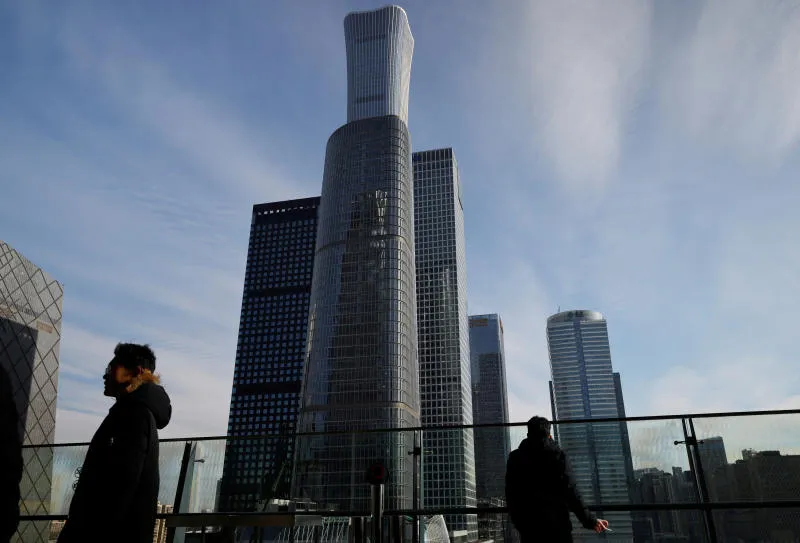
China’s revenue from inbound tourism is projected to reach a significant milestone, potentially hitting 15 trillion yuan (approximately B15tn) by the year 2040. This forecast, outlined by a Swiss investment bank, suggests a robust expansion of international travel into China, driven by strategic policy shifts and evolving market dynamics. The bank estimates that tourism from outside mainland China could grow to represent 1.5% of the nation’s gross domestic product (GDP) by 2040, expanding at a compound annual growth rate of 8.9% starting from 2025.
Strategic Push for Inbound Tourism
The projected surge in inbound tourism revenue is underpinned by a deliberate strategy from Chinese policymakers. As Chen Xin, head of China leisure and transport research at UBS, explained in a special report summary, the government increasingly views international visitors as a crucial driver for incremental consumption, particularly amid challenges in domestic demand. This strategic focus is evidenced by China’s phased introduction of visa-free travel policies since 2023, which have gradually opened the country to citizens from approximately 50 nations. These nations include major economies like Australia and Russia, as well as Singapore and many European countries.
The expansion of visa-free access has been substantial. According to the bank’s analysis, the number of countries eligible for visa-free entry has increased by a remarkable 188% compared to the period before 2023. This improved accessibility is expected to be further bolstered by a significant increase in international flight capacity. Projections indicate that flight capacity for travel to China could see an increase of about 150% from last year’s levels by 2040.
Economic Drivers and Spending Patterns
Several factors contribute to the optimistic outlook for China’s inbound tourism sector. The country is noted for offering “competitive travel costs,” making it an attractive destination for international visitors. Beyond just the number of arrivals, the bank anticipates a significant shift in spending patterns among these tourists. The report forecasts an “spending mix upgrade,” where accommodation, catering, and shopping are expected to constitute approximately 78% of inbound travelers’ expenditure by 2040. This represents a substantial increase from the 51% recorded in 2019.
Several initiatives are expected to fuel this rise in tourist spending, particularly in the retail sector. The optimization of tax-refund processes and the growing strength of domestic Chinese brands are anticipated to encourage more shopping among foreign visitors. This, combined with an expanding supply of mid- to higher-end hotels and a more diverse calendar of international events, is poised to enhance the overall travel experience and encourage greater expenditure.
Investor Perspective and Market Opportunities
The potential scale of this inbound tourism opportunity has become a key point of discussion among investors. A central question revolves around whether the growth in foreign visitor spending is substantial enough to significantly impact domestic consumption and boost earnings for travel-related businesses. The investment bank’s analysis suggests clear beneficiaries within the market.
The report identifies airports, hotels, premium shopping malls, and online travel agencies as sectors likely to experience the most direct positive impact. Incremental foreign traffic is expected to support topline growth for these businesses. Furthermore, international travelers are anticipated to spend more per person than domestic tourists, further enhancing revenue streams.
Structural Advantages and Future Outlook
China appears to be “structurally well positioned to capture a larger share of global travel spending.” This advantage is attributed to a combination of factors, including its rich tourism resources, the aforementioned competitive travel costs, and continuous improvements in accessibility. These elements create a favorable environment for attracting and retaining international visitors.
Looking ahead, the bank forecasts a compound annual growth rate of 4.7% for the number of inbound travelers through 2040. Alongside this, per-capita spending is expected to grow at a rate of 4% annually. For comparative context, domestic travel within China is projected to grow at a slightly higher rate of 4.8% annually during the same period, from 2025 to 2040.
Economic Context
The strategic emphasis on inbound tourism comes at a time when China’s domestic economy faces certain pressures. Local consumption has been impacted by a prolonged downturn in the property sector and a challenging labor market. In this environment, stimulating international visitor spending offers a valuable avenue for economic growth and diversification.
The projected growth in inbound tourism revenue signifies a potential shift in China’s economic landscape, highlighting the increasing importance of international visitors not just as tourists, but as significant contributors to the nation’s economic output and consumption patterns.
