

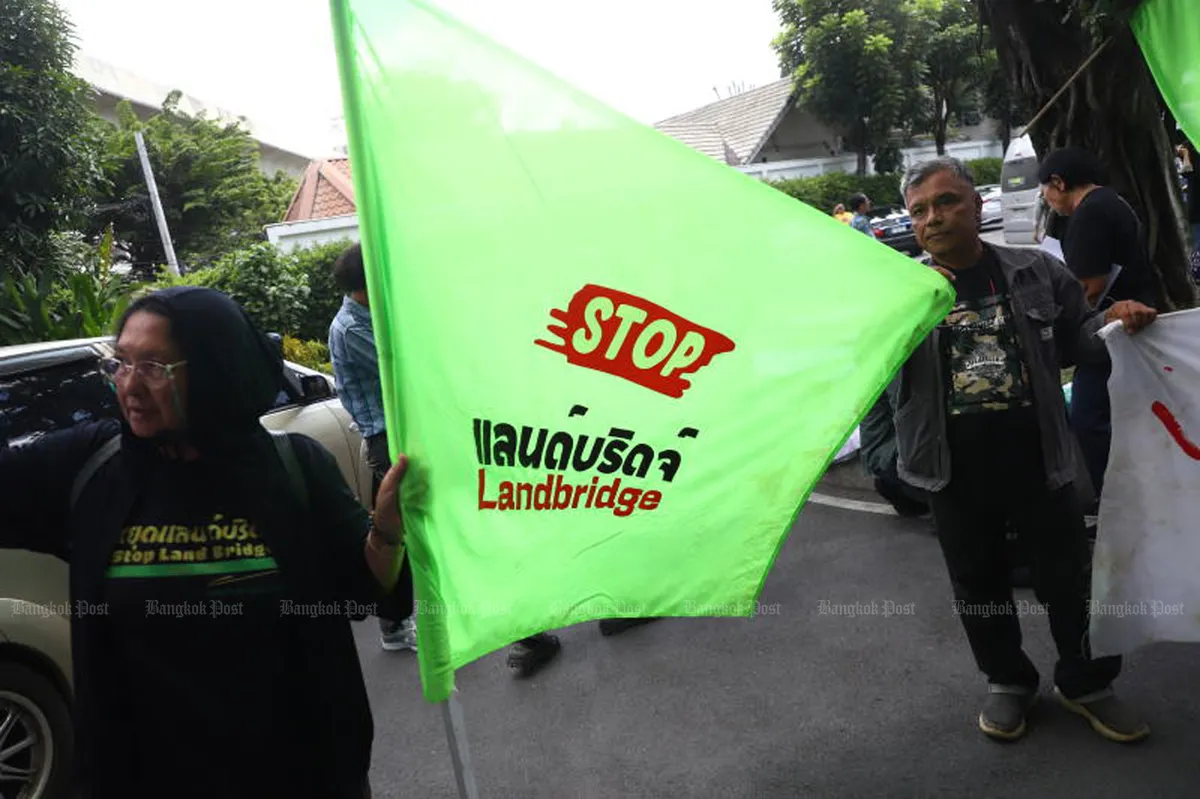
A marine conservation network called Digitalay has initiated the “Divers Against Land Bridge” campaign to mobilize opposition to the proposed project linking the Gulf of Thailand and the Andaman Sea via a transport corridor and two deep-sea ports.
Spotlighting Marine Biodiversity
The initiative shares photos and underwater videos on social media to showcase Thailand’s rich marine life and educate those unfamiliar with its underwater realms.
Warnings from Marine Experts
Nat Sumanateme, a professional marine wildlife photographer with Digitalay, notes that Thailand’s marine environments have shown gradual recovery in recent years due to stricter measures against illegal, unreported, and unregulated fishing.
However, he cautions that the Land Bridge project, supported by the current government, endangers southern marine ecosystems. “We still do not know the exact shipping routes because the government has not released detailed information,” Mr. Nat states. “But regardless of the route, the project will inevitably affect marine ecosystems, especially world-class diving sites such as Richelieu Rock.”
Deep-sea port construction will produce significant sedimentation, a primary factor in coral reef decline, according to Mr. Nat. He emphasizes the interconnected nature of marine habitats, where damage in one area impacts others. He references the 2010 coral bleaching in Mu Koh Surin National Park, which recovered over 16 years partly through coral larvae from Myanmar via ocean currents.
“That natural recovery may no longer occur if there is heavy vessel traffic through sensitive marine routes,” Mr. Nat warns, highlighting risks from underwater noise, propellers, and potential oil spills that could hinder coral migration and marine reproduction. “The government has never treated natural resources as national capital,” he adds. “Without transparency, many people will not accept this project.”
Diving Industry’s Economic Stake
Thailand ranks among the top global destinations for diving certifications, with premier sites like Koh Tao, Mu Koh Surin, and Koh Lipe, according to the Professional Association of Diving Instructors.
Napaket Limthanakit, founder of Dive Team Thailand and a master diving instructor, reveals that Koh Tao trains 50,000 divers yearly, generating 10 billion baht in local revenue. “Thailand is known as the world’s dive school,” Ms. Napaket says.
Divers spend two to three times more than typical tourists on courses, boats, and gear. Fees range from 25,000 to 40,000 baht in Koh Tao and up to 100,000 baht in the Andaman Sea. “If we lose Richelieu Rock, divers will stop coming,” she warns. “It is one of the most unique marine habitats in the world, home to rare species such as whale sharks and manta rays.”
Ms. Napaket indicates that divers, marine specialists, and public figures plan to sustain the campaign to safeguard marine resources for future generations.
Government’s Position
The ruling Bhumjaithai Party defends the Land Bridge as a feasibility study phase only, stating it will not advance if studies deem it unviable or if locals oppose it. No construction or investments have received approval yet.
The project seeks to establish Thailand as a regional logistics hub, shorten sea transport times, boost competitiveness, create jobs, and drive economic growth. A 90-day impact study committee, chaired by Deputy Prime Minister and Finance Minister Ekniti Nitithanprapas, evaluates viability. The party affirms the project halts if economic benefits fall short or communities reject it.
