

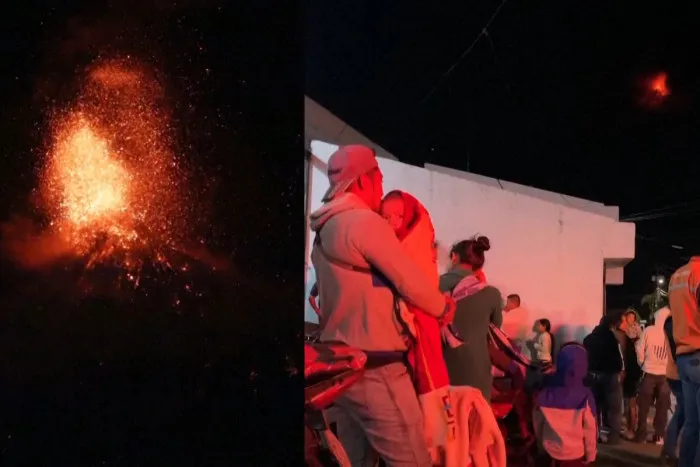
Thousands of residents in Guatemala were forced to evacuate their homes on Tuesday, August 4th, as the Fuego Volcano, one of Central America’s most active, experienced an intensified eruption. Authorities responded by issuing an “orange alert,” signaling a heightened state of readiness and potential danger. The municipality of San Juan Alotenango, situated in the vicinity of the volcano, was among the areas most directly affected, with families seeking refuge in designated shelters.
Fuego Volcano’s Volatile Nature
The Fuego Volcano, whose name translates to “fire” in Spanish, is part of the Pacific Ring of Fire and is known for its frequent and often dramatic activity. Located approximately 16 kilometers (10 miles) southwest of Antigua, a popular tourist destination, Fuego is part of a chain of volcanoes in Guatemala. Its typical eruptions involve incandescent lava flows, ash plumes, and pyroclastic flows – fast-moving currents of hot gas and volcanic debris. This latest event, however, saw a significant escalation in its intensity, necessitating immediate protective measures for nearby communities.
Evacuations and Emergency Response
The decision to evacuate was not taken lightly. Emergency management agencies, in coordination with local authorities, assessed the escalating volcanic activity and its potential impact on populated areas. The declaration of an “orange alert” is a critical step in the disaster preparedness protocol. It signifies that a volcanic eruption is imminent or in progress, and that specific protective actions must be taken. This includes the activation of emergency response teams, the preparation of evacuation routes, and the establishment of shelters for displaced individuals and families.
In San Juan Alotenango, the immediate aftermath of the intensified eruption saw residents packing essential belongings and heading towards safety. Shelters were opened to accommodate those displaced, providing a temporary refuge from the volcanic hazards. The focus of the authorities was on ensuring the safety and well-being of the population, particularly vulnerable groups such as children, the elderly, and individuals with pre-existing health conditions who are more susceptible to the effects of volcanic ash and gases.
Challenges Posed by Volcanic Ash
Volcanic ash, composed of finely ground rock, minerals, and volcanic glass, poses significant health and environmental risks. Inhaling ash particles can lead to respiratory problems, eye irritation, and skin issues. Furthermore, ashfall can disrupt daily life by blanketing infrastructure, contaminating water sources, and damaging crops. The intensified eruption of Fuego meant that significant quantities of ash were likely ejected into the atmosphere, posing a threat to downwind communities and potentially affecting air travel in the region.
Long-Term Implications and Preparedness
The Fuego Volcano has a history of significant eruptions, including a devastating event in June 2018 that resulted in hundreds of deaths and widespread destruction. That eruption served as a stark reminder of the volcano’s destructive potential and the critical importance of robust disaster preparedness and early warning systems. Following the 2018 event, efforts were made to enhance monitoring capabilities and improve evacuation plans for the communities living in the volcano’s shadow.
The current intensified eruption, while prompting immediate evacuations, also highlights the ongoing need for vigilance and investment in disaster risk reduction strategies. This includes:
- Continuous Monitoring: Maintaining and upgrading seismic and gas monitoring networks to detect changes in volcanic activity.
- Community Education: Regularly informing residents about potential hazards, evacuation routes, and safety procedures.
- Infrastructure Development: Ensuring that evacuation routes are clear and accessible, and that shelters are adequately equipped.
- Inter-agency Coordination: Fostering strong collaboration between national, regional, and local emergency management agencies.
The “orange alert” status indicates that the situation remains dynamic. Authorities will continue to monitor the volcano’s behavior closely, providing updates to the public and adjusting response measures as necessary. The resilience of the Guatemalan people, coupled with effective emergency management, will be crucial in navigating the challenges posed by Fuego’s persistent volcanic activity.
Conclusion
The eruption of Fuego Volcano on August 4th served as a powerful reminder of the natural forces at play in Guatemala. The swift evacuation of families from affected areas and the declaration of an “orange alert” demonstrated a proactive approach to managing the immediate risks. As the situation evolves, the focus remains on safeguarding lives and property, while also reinforcing long-term strategies for living with one of Central America’s most formidable volcanoes.
