

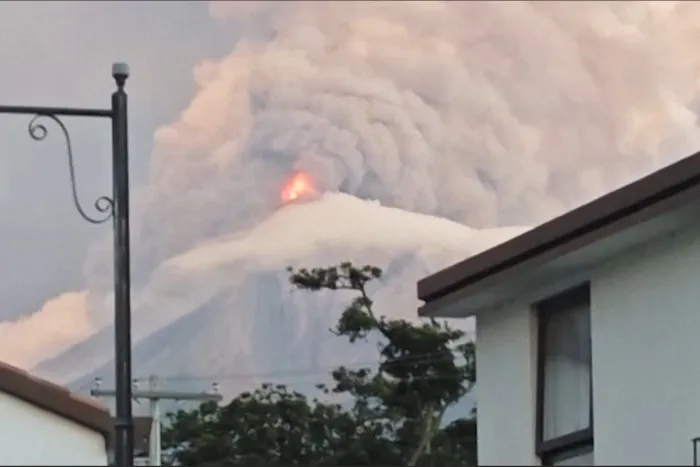
Guatemala’s Fuego volcano, one of Central America’s most active, erupted on Tuesday, August 4th, leading to the evacuation of hundreds of residents and the declaration of a red alert. The sudden eruption sent ash plumes high into the atmosphere and triggered pyroclastic flows, prompting immediate action from national disaster management agencies.
Volcanic Activity and Initial Response
The eruption began with significant ash emissions, observed as a large column rising from the volcano’s summit. This was quickly followed by the dangerous phenomenon of pyroclastic flows – fast-moving currents of hot gas and volcanic debris that surge down the volcano’s slopes. These flows pose an extreme threat to life and infrastructure in their path.
In response to the escalating danger, Guatemalan authorities swiftly raised the alert level to red for the areas surrounding the Fuego volcano. This designation signifies an imminent or ongoing major eruption, requiring immediate and widespread protective measures. Emergency services and the National Coordinator for Disaster Reduction (CONRED) were mobilized to manage the crisis.
Hundreds of people living in communities closest to the volcano were urged or compelled to evacuate their homes. Temporary shelters were established to accommodate those displaced by the eruption. The focus was on ensuring the safety of the population, particularly those in vulnerable areas identified as being at high risk from ashfall and pyroclastic flows.
Fuego Volcano: A History of Activity
Volcan de Fuego, whose name translates to “Volcano of Fire,” is part of the Pacific Ring of Fire and is known for its frequent and often dramatic eruptions. Located about 16 kilometers (10 miles) west of Antigua, a popular tourist city, and approximately 50 kilometers (30 miles) southwest of Guatemala City, its activity has a significant impact on surrounding populations.
The volcano is part of the Guatemala Fire Arc, a chain of volcanoes formed by the subduction of the Cocos Plate beneath the Caribbean Plate. Its typical eruptive style includes Strombolian and Vulcanian activity, characterized by intermittent explosions and the expulsion of incandescent material, ash, and gases. However, it is also capable of producing more violent Plinian eruptions and dangerous pyroclastic flows.
One of Fuego’s most devastating eruptions occurred in June 2018, which resulted in hundreds of deaths and widespread destruction. That event saw massive pyroclastic flows that buried entire villages, leaving little time for residents to escape. The memory of this catastrophic event underscores the urgency and seriousness with which current eruptions are treated.
Impact and Ongoing Monitoring
The immediate impact of the August 4th eruption included:
- Ashfall: Significant ashfall was reported in several communities, affecting visibility, air quality, and potentially damaging crops and infrastructure. Residents were advised to wear masks and protect their eyes.
- Pyroclastic Flows: The movement of pyroclastic flows down the volcano’s flanks posed the most immediate threat, forcing evacuations and the closure of roads in affected areas.
- Disruption: Flights in and out of Guatemala were potentially affected by the ash cloud, though specific airport closures would depend on the trajectory and density of the ash.
CONRED and other geological and meteorological agencies continued to monitor the volcano closely following the initial eruption. This monitoring involves:
- Seismic Activity: Tracking earthquakes and tremors associated with volcanic unrest.
- Gas Emissions: Measuring the release of gases like sulfur dioxide, which can indicate magma movement.
- Deformation: Using GPS and other instruments to detect any swelling or shrinking of the volcano’s structure.
- Visual Observation: Employing cameras and direct observation (when safe) to track ash plumes and lava flows.
The red alert status indicated that the situation remained critical, and further evacuations might be necessary depending on the volcano’s behavior. Authorities emphasized the importance of heeding official warnings and staying informed through reliable channels.
Community Resilience and Preparedness
The evacuation process highlighted the ongoing efforts to improve disaster preparedness in communities living near Fuego. While the 2018 eruption served as a tragic lesson, it also spurred greater awareness and investment in early warning systems and evacuation protocols.
Local and national agencies work continuously to:
- Identify high-risk zones and vulnerable populations.
- Maintain and improve shelter facilities.
- Conduct public awareness campaigns about volcanic hazards.
- Coordinate with international aid organizations for potential support.
The resilience of the Guatemalan people, accustomed to the ever-present threat of Fuego, was evident in their cooperation with evacuation orders. However, the repeated eruptions underscore the persistent challenges faced by communities living in the shadow of such a powerful natural force.
Conclusion
The eruption of Fuego volcano on August 4th served as a stark reminder of its volatile nature. The swift evacuation of hundreds and the implementation of a red alert demonstrated a more prepared and responsive approach to volcanic threats, informed by past tragedies. Continuous monitoring and community engagement remain crucial for mitigating the risks associated with this active stratovolcano, ensuring the safety and well-being of the populations living in its vicinity.
