

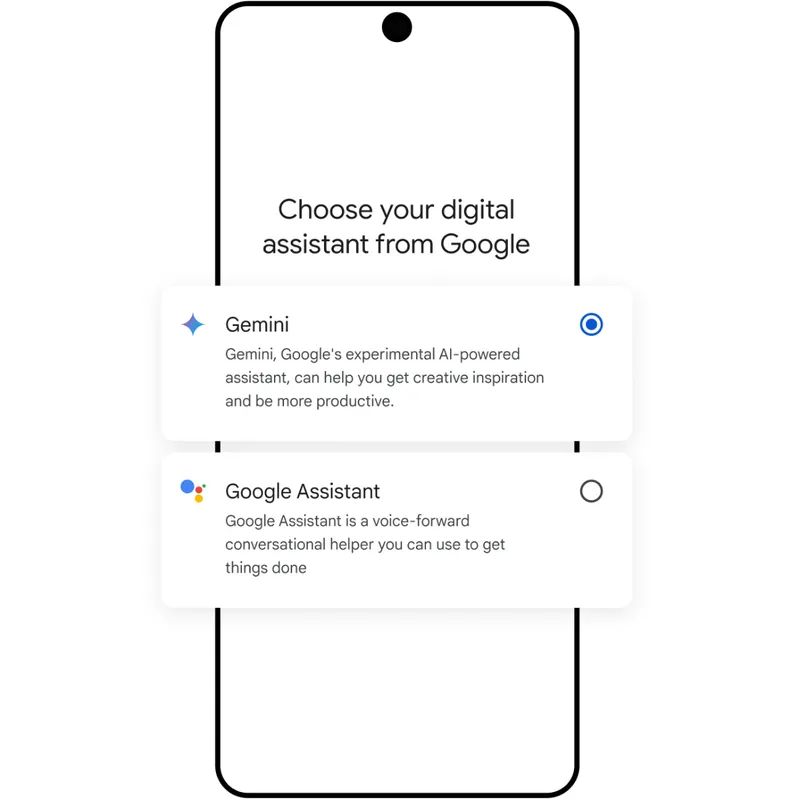
Google is initiating a phased shutdown of its popular Google Assistant virtual assistant on a range of devices starting September 4. This significant move signals the company’s accelerated transition towards its advanced, next-generation artificial intelligence platform, Gemini. The process, which began with the integration of Google AI Studio into Gemini, will see Google Assistant gradually become unavailable across various hardware categories over the coming weeks.
Devices Affected by the Shutdown
The initial wave of devices losing Google Assistant support includes:
- Smartphones
- Tablets
- Wear OS smartwatches
- Gemini-compatible wireless headphones
- Vehicles using Android Auto
Once the shutdown process is complete, Google Assistant will cease to function entirely on these specified devices. This means users will no longer be able to issue voice commands or text inputs to search for information, execute commands, or control connected devices through the Assistant on these platforms.
Continued Support for Select Hardware
While many devices will lose Assistant functionality, certain hardware will continue to operate normally for the time being. These include:
- Google Home speakers
- Smart Displays
- Google TV devices
- Vehicles equipped with Google built-in systems
For these select devices, Google Assistant will remain operational while the company works diligently to migrate them to the Gemini platform. The company aims to complete this transition as swiftly as possible, ensuring a continued, albeit evolving, AI assistant experience for users of these products.
Background on the Transition to Gemini
Google Assistant, an AI-powered virtual personal assistant, has been a staple for many users, offering hands-free control and information retrieval. However, the tech giant has been strategically shifting its focus to Gemini, a more advanced and versatile AI model. This transition is part of a broader strategy to consolidate its AI efforts and leverage the enhanced capabilities of its newer technology.
The original timeline for retiring Google Assistant was set for the end of 2025. This deadline was later extended to 2026, providing what was then considered adequate time for preparation and a smoother migration for users. The accelerated shutdown schedule, beginning in September 2024, suggests a faster-than-anticipated development and readiness of the Gemini platform, or a strategic decision to expedite the consolidation of Google’s AI services.
What This Means for Users
Users who rely on Google Assistant for daily tasks on affected devices will need to adapt to the changes. The cessation of Assistant functionality will necessitate exploring alternative methods for controlling devices, seeking information, or managing tasks. For those with Google Home speakers, Smart Displays, Google TV, or Google built-in vehicles, the transition to Gemini will likely bring new features and potentially a different user experience, though the exact nature of these changes remains to be fully detailed by Google.
The company’s commitment to migrating the remaining hardware to Gemini indicates a long-term vision where Gemini will serve as the primary AI interface across its ecosystem. This consolidation is expected to streamline development and offer users a more unified and powerful AI experience in the future. As the shutdown progresses, users are advised to monitor official Google communications for specific details regarding their devices and the upcoming migration process.
The Future of Google’s AI Assistant
The retirement of Google Assistant on numerous devices marks a pivotal moment in the evolution of Google’s AI offerings. By focusing resources and development on Gemini, the company aims to deliver a more sophisticated and integrated AI experience. Gemini, touted as a more capable and multimodal AI, is expected to power a new generation of Google products and services. This strategic pivot underscores Google’s commitment to staying at the forefront of artificial intelligence innovation, promising enhanced capabilities and a more seamless interaction between users and their technology.
