

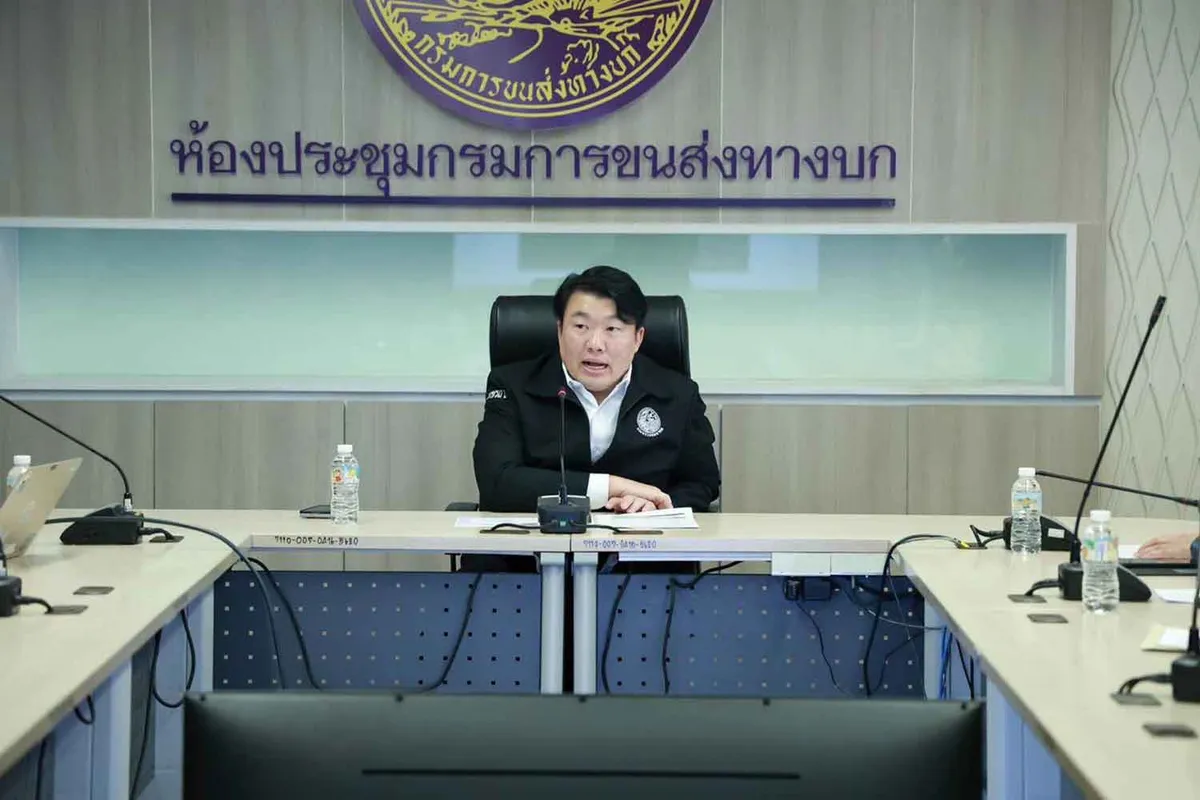
Authorities have frozen three state agency accounts following a significant leak of sensitive vehicle registration and personal data that surfaced online. The breach, which included information pertaining to a Rolls-Royce owned by Prime Minister Anutin Charnvirakul, has triggered a thorough investigation into how the data was compromised and accessed.
Investigation into Data Breach Underway
The Ministry of Digital Economy and Society, in collaboration with relevant agencies, is actively investigating the incident. Initial findings revealed unusual search activities linked to accounts associated with the Bangkok Noi district office, the Expressway Authority of Thailand (EXAT), and the Singhanat Task Force of the Royal Thai Army. These accounts have since been frozen as a precautionary measure.
The case has been formally handed over to the police’s Cyber Crime Investigation Bureau (CCIB) for a comprehensive inquiry. To bolster security and prevent further unauthorized access, the ministry has mandated that all agencies with authorized access to the transport ministry and Department of Land Transport (DLT) databases must reset their passwords immediately. This directive aims to secure the integrity of these critical databases.
Determining the Source of Compromise
Officials are working to ascertain whether the suspicious activities originated from legitimate account holders or from unauthorized individuals who managed to gain access to these accounts. The nature of the leaked information is currently under scrutiny, with authorities emphasizing that it consists of basic personal data. Crucially, this data, on its own, is not sufficient to conduct financial transactions or transfer vehicle ownership without proper identity verification processes.
Regarding the scope of the breach, preliminary assessments suggest that suspicious searches involved the records of approximately 6,000 to 7,000 individuals. The compromised records are believed to contain personal details of prominent figures, including Prime Minister Anutin Charnvirakul, other cabinet members, and senior officials from the Ministry of Interior.
Prime Minister’s Response and Data Security
Prime Minister Anutin Charnvirakul addressed concerns about a photograph of his national identification card circulating online, confirming its authenticity. He stated that the card was issued a considerable time ago. The Prime Minister emphasized that authorities would rigorously investigate the circumstances leading to the public disclosure of this information and assess the adequacy of existing data protection safeguards.
The Minister of Digital Economy and Society, Chaichanok Chidchob, provided further insights into the breach. According to Minister Chaichanok, the data appeared to have been accessed from a single geographical location. The access was reportedly carried out using the same login credentials on two separate occasions, suggesting a potentially targeted and systematic intrusion rather than a widespread, random exploit.
Broader Implications for Data Protection
This incident highlights the persistent challenges in safeguarding sensitive personal and governmental data in the digital age. The leak underscores the need for robust cybersecurity measures, regular security audits, and stringent access controls for all government databases. The involvement of high-profile individuals and sensitive government databases raises the stakes, demanding a swift and transparent resolution.
The investigation by the CCIB is expected to focus on identifying the perpetrators, understanding the full extent of the data compromised, and recommending enhancements to existing security protocols. The government has pledged to keep the public informed about the progress of the investigation and the measures being taken to prevent future occurrences.
The frozen accounts belong to entities that have authorized access to critical transportation databases. This measure is a critical step in containing the breach and preventing any further unauthorized data exfiltration. The reset of passwords across all authorized agencies is a standard but essential procedure following such security incidents, aiming to invalidate any potentially compromised credentials.
Preventative Measures and Future Outlook
The government is reportedly reviewing its cybersecurity infrastructure and policies in light of this incident. The focus is on strengthening defenses against sophisticated cyber threats and ensuring that personal data held by state agencies is protected with the highest level of security. The investigation will also examine the internal security practices of the agencies involved to identify any potential lapses.
While the leaked data is described as basic, the potential for misuse, even if limited, remains a concern. The incident serves as a stark reminder of the vulnerabilities inherent in digital data management and the critical importance of continuous vigilance and adaptation in cybersecurity strategies. The government’s commitment to a thorough investigation and the implementation of enhanced security measures is paramount to restoring public trust and ensuring the integrity of its digital infrastructure.
