

Tens of thousands of residents near Reno, Nevada, have been forced to flee their homes as the rapidly spreading Hawk Fire continues to burn, prompting widespread evacuations and school closures. As of Monday, approximately 24,000 individuals remained under mandatory evacuation orders, a significant reduction from the peak of over 40,000 people who were displaced earlier. An additional tens of thousands have been placed on high alert, advised to prepare for immediate departure.
Hawk Fire Details and Impact
The wildfire, dubbed the Hawk Fire, ignited on Saturday and by Monday had expanded to consume over 15,000 acres, equivalent to approximately 6,000 hectares. Firefighting efforts have made progress, with containment lines established along 27 percent of the fire’s perimeter. Notably, a portion of the blaze is situated just five miles northwest of Reno, a city with a population of around 280,000, located near the California border. The encroaching smoke has blanketed the city, leading to the closure of local schools.
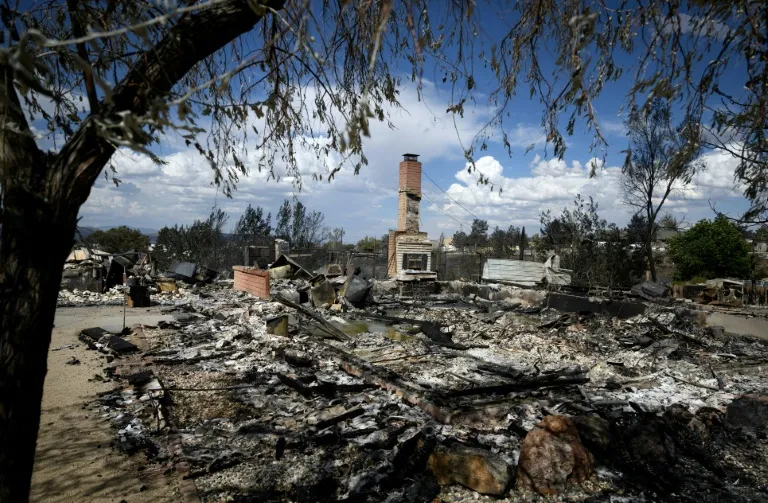
While no fatalities have been reported, the fire has resulted in seven injuries, including three among first responders. Tragically, at least 32 properties have been completely destroyed, with several others sustaining damage. Officials anticipate these numbers may increase as crews gain better access to the fire’s interior to conduct thorough assessments.
Cause and Investigation
At a press conference held on Monday, Truckee Meadows Fire Chief Richard Edwards confirmed that the Hawk Fire was initiated by human activity. “We do not know if it was intentional or unintentional. So the investigators are still working through that right now. More than likely, this fire will be classified as undetermined,” Edwards stated. The ongoing investigation aims to determine the precise circumstances that led to the fire’s ignition.
Firefighting Operations and Resources
A substantial force of over 900 firefighters is actively engaged in combating the blaze. They are employing a range of resources, including fire engines, helicopters, and bulldozers, to create fuel breaks and suppress the flames. The tinder-dry conditions in the region amplify the challenge, making the brush highly susceptible to ignition. International support has bolstered the firefighting efforts, with teams from Australia and New Zealand joining their counterparts from across the United States in this critical operation.
Urgent Evacuation Warnings
Fire officials are emphasizing the critical importance of heeding evacuation orders promptly. Chief Edwards highlighted the volatile nature of the Hawk Fire, explaining, “The Hawk Fire is a very dynamic incident for us as it’s being driven by the winds. The wind-driven fires move very rapidly into our residential areas.” This rapid movement underscores the need for residents to be prepared to leave at a moment’s notice.
Reno Mayor Hillary Schieve echoed these sentiments, issuing a direct plea to the community: “If you have been told to evacuate, please don’t wait!” This urgent message aims to ensure the safety of all residents in the affected areas, prioritizing life and property in the face of the escalating wildfire threat.
Community Impact and Preparedness
The Hawk Fire has had a profound impact on the Reno community, disrupting daily life and displacing numerous families. The proximity of the fire to residential areas, combined with unpredictable wind patterns, has created a high-stress environment for those living in its path. Authorities are working to provide support and information to evacuees, coordinating shelter arrangements and essential services.
The incident serves as a stark reminder of the ongoing wildfire risks in the western United States, particularly during dry seasons. Preparedness measures, such as creating defensible space around homes, having evacuation kits ready, and staying informed through official channels, are crucial for residents in fire-prone regions. The collaborative effort involving local, state, and international firefighting teams demonstrates the scale of the challenge and the commitment to controlling the blaze.
Looking Ahead
As firefighters continue their work to fully contain the Hawk Fire, the focus remains on extinguishing remaining hotspots, assessing the full extent of the damage, and supporting the affected communities. The investigation into the fire’s origin is ongoing, with officials seeking to provide clarity on how this significant wildfire began. The resilience of the community and the dedication of the emergency responders are central to navigating this challenging situation.
