

Instagram is taking a firm stance against prank videos and other harassing content captured using smart glasses, with platform head Adam Mosseri announcing that such posts will be immediately removed. This policy shift comes in response to growing concerns over the misuse of wearable camera technology for covert filming and harassment. Mosseri emphasized that this type of behavior is unacceptable and could lead to account suspensions.
Smart Glasses Under Scrutiny for Privacy Violations
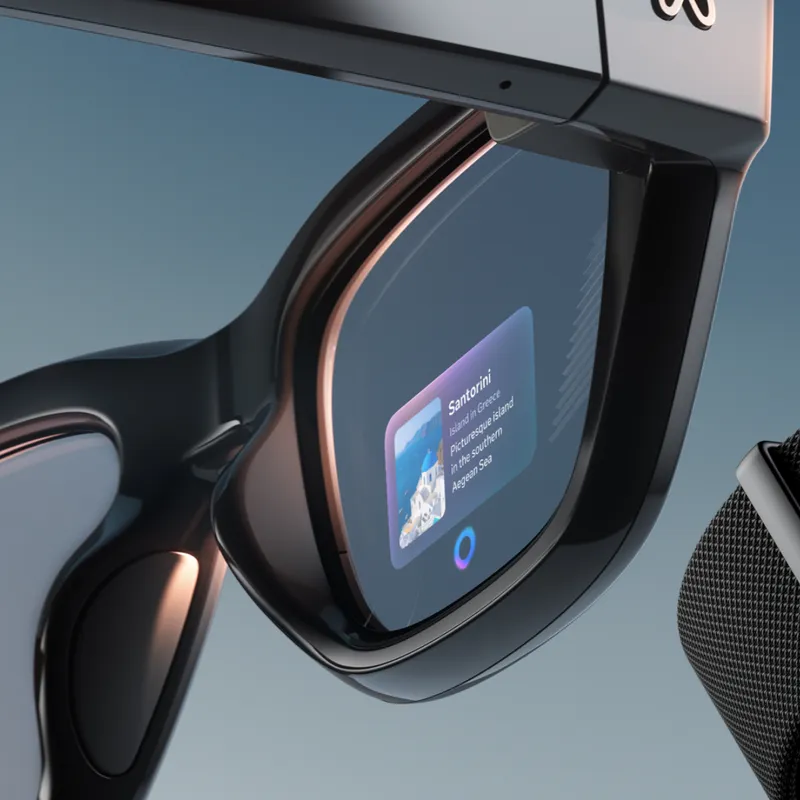
Meta’s smart glasses, while offering a hands-free way to capture content, have recently drawn significant criticism. Reports indicate that creators have leveraged these devices to produce videos that involve public pickup attempts, elaborate pranks, and the harassment of workers. These actions have prompted a swift response from Instagram’s leadership.
The platform has confirmed that accounts violating its regulations by posting such content are being banned. According to reports, at least two accounts, each boasting over a million followers, have already faced suspension for these violations. This action underscores Meta’s commitment to enforcing its community guidelines more rigorously.
Addressing the Symptom, Not the Root Cause?
Despite Meta’s enforcement actions, some internet users and privacy advocates argue that the company is addressing the symptom rather than the fundamental issue. While the smart glasses are equipped with an LED indicator light that signals when recording is active, this light can be difficult to notice, especially in outdoor environments. Furthermore, there have been instances where users have attempted to obscure or disable this indicator, for example, by covering it with adhesive tape.
In an effort to bolster privacy protections, Meta has updated its smart glasses system. The new iteration automatically disables the camera if the LED indicator is obstructed. However, critics remain skeptical about the efficacy of this measure, questioning whether it provides a foolproof solution to prevent privacy breaches.
Broader Privacy Challenges of Wearable Technology
The debate extends beyond content uploaded to social media platforms. Critics point out that individuals could still use smart glasses to secretly record others for personal use, without ever intending to share the footage online. In these scenarios, detecting or preventing such clandestine recording becomes practically impossible for platform providers like Meta. This highlights the broader and more complex privacy challenges posed by the increasing prevalence of wearable camera technology.
The core of the issue lies in the potential for misuse of devices that can capture video and audio discreetly. As smart glasses and similar wearable technologies become more sophisticated and accessible, the lines between legitimate content creation and invasive surveillance blur. This necessitates a multi-faceted approach involving technological safeguards, clear platform policies, and ongoing public discourse about digital privacy and responsible technology use.
The Role of LED Indicators
The LED indicator light is a crucial, albeit imperfect, feature designed to provide a visual cue that recording is in progress. Its visibility is paramount for informing those around the wearer. However, practical challenges emerge when this light is small, easily overlooked, or deliberately obscured. Meta’s attempt to automatically disable the camera when the light is covered is a technical step aimed at mitigating this specific vulnerability. Yet, the ingenuity of users seeking to bypass such features means that constant vigilance and adaptation are required from manufacturers and platform regulators.
Account Bans and Platform Enforcement
The banning of accounts with millions of followers serves as a strong deterrent. It signals to the user base that Instagram is serious about enforcing its policies against harassment and privacy violations. However, the effectiveness of such bans is debated. Some argue that banned users can simply create new accounts, making the enforcement a continuous game of cat and mouse. The focus, therefore, must also be on proactive detection and prevention mechanisms, alongside reactive measures like account suspensions.
The Future of Wearable Cameras and Privacy
The conversation surrounding Meta’s smart glasses is emblematic of a larger societal discussion about the integration of recording technology into everyday life. As these devices become more integrated into fashion and daily routines, the ethical considerations surrounding their use become increasingly important. Finding a balance between technological innovation, user convenience, and the fundamental right to privacy is a challenge that will likely shape the future of wearable technology and social media platforms.
Instagram’s move to remove prank videos captured with smart glasses is a significant step in addressing immediate concerns about harassment. However, the underlying privacy issues associated with wearable cameras require ongoing attention and innovative solutions from both technology companies and society at large. The platform’s commitment to updating its systems and enforcing its policies is a positive development, but the broader challenge of ensuring privacy in an increasingly connected and technologically advanced world remains.
